Science
Sunnybrook study links menopause blood markers to later cognitive aging risk
Nature Medicine research finds post-menopausal molecular shifts detectable in blood and associated with memory decline and Alzheimer’s risk years later — not a personal prediction tool yet.
Published: October 2, 2026 · Updated: October 2, 2026 · 1 min read
Across nearly 12,000 older post-menopausal women in four cohorts, higher menopause-related blood proteins were linked to steeper later declines in memory and thinking and greater Alzheimer’s dementia risk. Co-author Dr. Kaitlin Casaletto of UCSF said the work helps explain differences in women’s brain aging after menopause; Rabin stressed menopause is not a diagnosis of dementia and that the signals cannot yet predict any individual’s risk. The collaboration spanned Sunnybrook, U of T, UCSF, the U.S. National Institute on Aging and several U.S. universities. This article is for general information only and is not a substitute for professional medical advice. Consult a clinician about personal health concerns. Sources: Sunnybrook Research Institute.
Sources
- Sunnybrook Research Institute · other
Newsletter
News. Context. What matters.
One essential briefing, written for people who would rather understand the story than scroll it.
Unsubscribe anytime. We don’t sell addresses.
Recommended

Science
From the space station, Joshua Kutryk describes the northern lights and relearning daily life as Canadian health studies get under way
In his first news conference from orbit, the Canadian Space Agency astronaut said he has lost five pounds and is taking part in Canadian-led research on astronaut health; a SpaceX cargo ship launched Tuesday with more experiments.
Science
About one in six Canadian doctors reports a disability at least some of the time, CMAJ census study finds
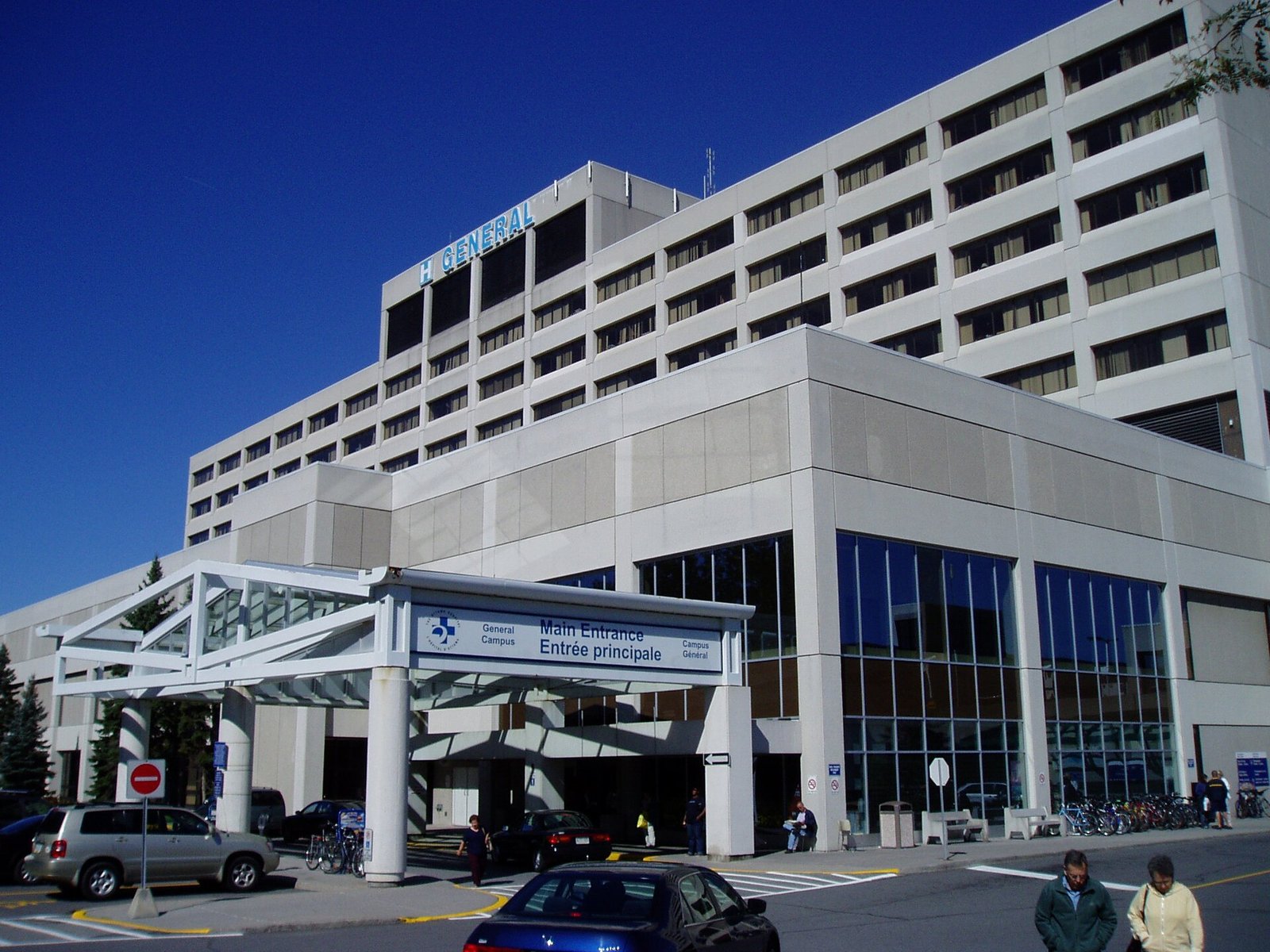
An Ottawa Hospital-led analysis of 2021 long-form census data found mental health and vision were the most commonly reported disabilities, and its authors call for more accessible medical workplaces.
Science
More than half of species assessed at risk since 2017 are overdue for federal listing decisions, SFU-led study finds
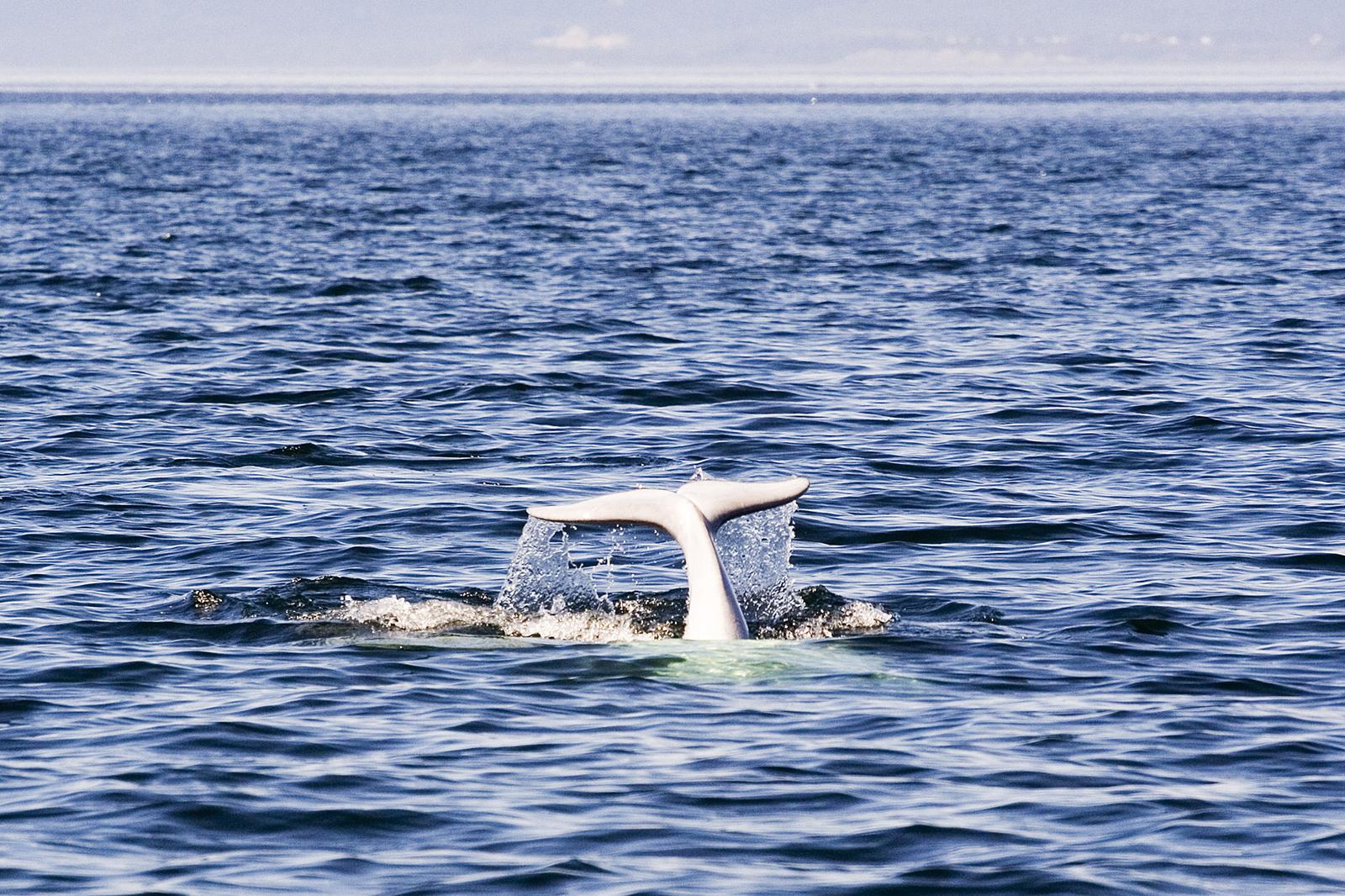
Only 17 of 288 COSEWIC-assessed species reached Cabinet on time; none of the marine mammals or marine fish assessed in the period had been forwarded by January 2025, researchers report in FACETS.