Science
More than half of species assessed at risk since 2017 are overdue for federal listing decisions, SFU-led study finds
Only 17 of 288 COSEWIC-assessed species reached Cabinet on time; none of the marine mammals or marine fish assessed in the period had been forwarded by January 2025, researchers report in FACETS.
Published: October 13, 2026 · Updated: October 13, 2026 · 3 min read
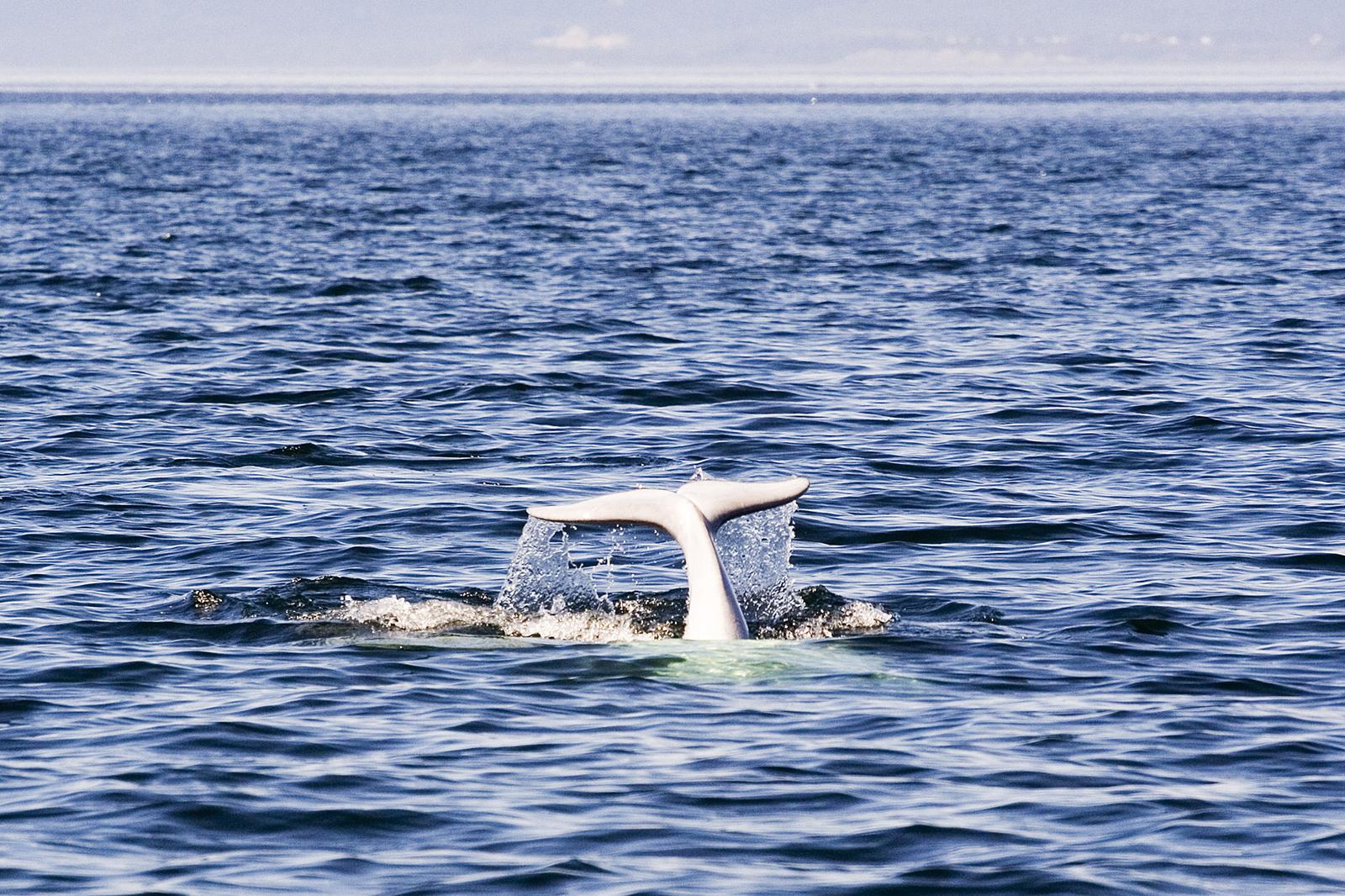
A peer-reviewed analysis of Canada’s Species at Risk Act finds that most wildlife assessed as at risk since 2017 has waited longer than federal guidelines allow for a listing decision that can unlock habitat protections. Of 288 species assessed as special concern, threatened or endangered after 2017, only 17 — about 5.9 per cent — were forwarded to the Governor in Council within recommended timelines, according to the study published in FACETS and led by Simon Fraser University postdoctoral researcher Peter Thompson.
As of the study’s Jan. 25, 2025, cutoff, 153 species — more than half — were overdue and still waiting for transmission to Cabinet, YourSpaceHamilton reported on Oct. 12. Another 90 reached the Governor in Council late. “The government recommended one to two years, and they are consistently failing to meet that,” Thompson said.
Under SARA, the environment minister must post a response within 90 days of receiving an assessment from the Committee on the Status of Endangered Wildlife in Canada (COSEWIC). Once the Governor in Council receives an assessment, it has nine months to decide. But the Act sets no mandatory deadline for the minister to send the file to Cabinet — a gap the authors call the “loophole stage.” A 2017 Environment and Climate Change Canada policy set non-binding targets of 24 months for most terrestrial species and 36 months for aquatic species needing extended consultations, measured from COSEWIC submission to a final GiC decision.
The study found that average time from the ministerial response to GiC receipt for species that were eventually forwarded was about 879 days, more than a year past the recommended consultation window. Compliance did not improve after the 2017 policy: timely forwarding fell from 16.2 per cent in a comparable pre-2017 cohort to 5.9 per cent afterward. “It could just sit there forever because there’s no timeline for the step,” said Drew Yewchuk, a University of British Columbia doctoral researcher in law who was not involved in the study, in comments to YourSpaceHamilton.
Marine species fared worst. None of the 15 marine mammals or 49 marine fish assessed in the study period had been forwarded to the Governor in Council by January 2025. About 90 per cent of terrestrial mammals and 79 per cent of freshwater fish were still waiting. Delayed files include caribou, beluga and lake sturgeon populations. The Saskatchewan–Nelson River lake sturgeon, assessed endangered in 2017 after declines of roughly 90 per cent since the 1960s, missed a recommended deadline in January 2020 and was still awaiting the next step five years later, the study says.
Researchers reviewed the 2023 SARA Annual Report for stated reasons among species already in limbo. Information collection was the most common explanation, followed by analysis; about 20 per cent of entries gave no specific reason. The study identified 38 Pacific salmon populations delayed while information was still being collected or analyzed. Andrea Reid, Canada Research Chair in Indigenous Fisheries Science at UBC and a citizen of the Nisga’a Nation, told YourSpaceHamilton that consultation takes time and should be planned for, but that listing can also raise concerns about continued cultural access to species.
Thompson said vague or missing explanations made it hard to pin down why many individual species were stuck. “It certainly seems like there is, at the very least, a lack of transparency in what is happening,” he said. The authors recommend mandatory deadlines for the ministerial stage, better-resourced consultation pathways, and public, species-specific reasons whenever recommended timelines are missed. Environment and Climate Change Canada acknowledged the statutory gap at the centre of the study, YourSpaceHamilton reported.
This article is general science reporting and is not medical advice.
Sources: FACETS, Thompson et al., “Canada’s Species at Risk Act: listing lags and limbos” (2026); YourSpaceHamilton (Oct. 12, 2026); Environment and Climate Change Canada, Timeline for amendments to Schedule 1 of SARA.
Sources
Newsletter
News. Context. What matters.
One essential briefing, written for people who would rather understand the story than scroll it.
Unsubscribe anytime. We don’t sell addresses.
Recommended
Science
From the space station, Joshua Kutryk describes the northern lights and relearning daily life as Canadian health studies get under way
In his first news conference from orbit, the Canadian Space Agency astronaut said he has lost five pounds and is taking part in Canadian-led research on astronaut health; a SpaceX cargo ship launched Tuesday with more experiments.

Science
About one in six Canadian doctors reports a disability at least some of the time, CMAJ census study finds
An Ottawa Hospital-led analysis of 2021 long-form census data found mental health and vision were the most commonly reported disabilities, and its authors call for more accessible medical workplaces.
Science
Heart and skeletal muscle inflammation found at five of seven B.C. open-net salmon farms studied, researchers say
A Pacific Salmon Foundation peer-reviewed paper in Aquaculture reports HSMI in the Broughton Archipelago and urges Ottawa to treat piscine orthoreovirus as pathogenic; Fisheries and Oceans Canada says it will review the findings.