Science
About one in six Canadian doctors reports a disability at least some of the time, CMAJ census study finds
An Ottawa Hospital-led analysis of 2021 long-form census data found mental health and vision were the most commonly reported disabilities, and its authors call for more accessible medical workplaces.
Published: October 13, 2026 · Updated: October 13, 2026 · 2 min read
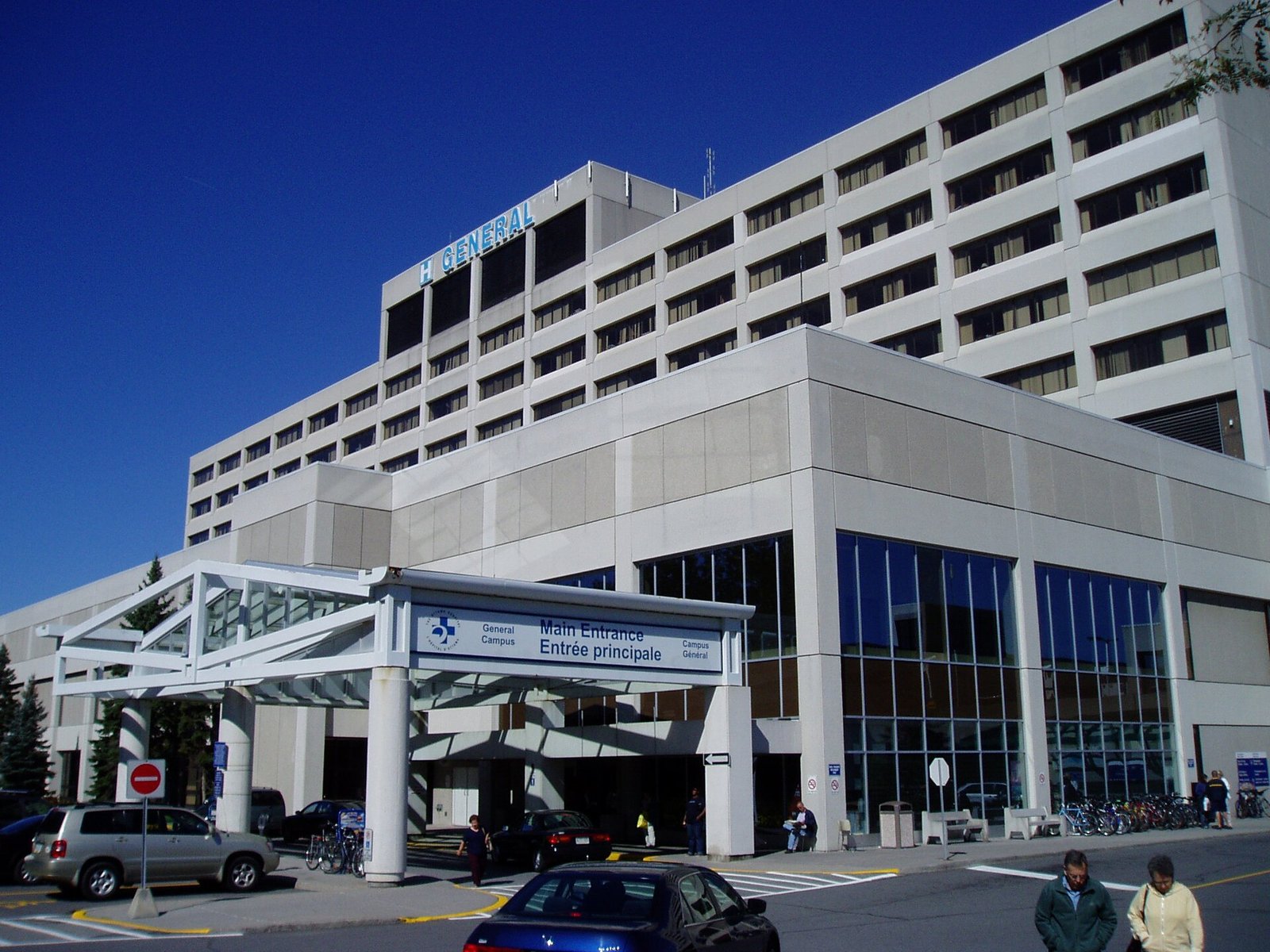
OTTAWA — About 17 per cent of practising physicians in Canada report a disability at least some of the time, according to a study published Oct. 13 in the Canadian Medical Association Journal (CMAJ). Five per cent reported a disability “always or often” and another 12 per cent “sometimes,” the Ottawa Hospital Research Institute said.
The research was led by Dr. Michael Quon, a general internal medicine specialist and clinician investigator at The Ottawa Hospital and an assistant professor at the University of Ottawa. His team used data from the 2021 long-form census. Because the census is mandatory — completed by a randomly selected 25 per cent of people living in Canada, with a 97 per cent completion rate — the authors say the results are nationally representative, unlike earlier voluntary surveys.
Mental health was the most commonly reported type of disability (40 per cent), followed by vision (37 per cent), hearing (15 per cent), mobility or physical (13 per cent) and cognitive or learning (six per cent). The release reports disability was more common among women physicians (6.0 per cent) than men (4.5 per cent).
Younger doctors were not exempt. “While disability rates generally increased with age, the prevalence in physicians younger than 35 years remained notable (5.18%),” Quon said. Hearing, mobility and physical disabilities became more common with age, while mental-health disabilities were more common in younger age groups. Overall, physicians reported fewer disabilities than people working in law, academia, engineering and nursing, and than the general workforce.
The authors argue that failing to keep physicians with disabilities in practice means losing skilled providers. “Ensuring accessible work environments and equitable policies can promote the wellbeing and retention of physicians with disabilities and support those seeking to return to practice,” they wrote, according to a CMAJ news release. They added that greater accessibility might also improve patient care by building a workforce that better reflects the people it serves.
Quon told the Ottawa Citizen the project grew out of his own experience after a 2015 cycling crash in Colorado left him with a traumatic brain injury and about nine months of rehabilitation in Ottawa. He helped create a 2022 accommodation policy for physicians in The Ottawa Hospital’s department of medicine, which he described as the first of its kind in Canada; the hospital’s department of emergency medicine has since adopted the same policy.
The study was funded by The Ottawa Hospital Department of Medicine Physician Wellbeing Grant. Its co-authors are Boris Kralj, Andrew Neitzel, Manish M. Sood, Arthur Sweetman, Maya A. Gibb and Daniel T. Myran. This article summarizes published research for general information and is not medical advice.
Sources: Ottawa Hospital Research Institute (Oct. 13, 2026); CMAJ news release via News-Medical (Oct. 13, 2026); Ottawa Citizen (Oct. 13, 2026).
Sources
- Ottawa Hospital Research Institute · research
- CMAJ news release via News-Medical · research
- Ottawa Citizen · news
Newsletter
News. Context. What matters.
One essential briefing, written for people who would rather understand the story than scroll it.
Unsubscribe anytime. We don’t sell addresses.
Recommended

Science
From the space station, Joshua Kutryk describes the northern lights and relearning daily life as Canadian health studies get under way
In his first news conference from orbit, the Canadian Space Agency astronaut said he has lost five pounds and is taking part in Canadian-led research on astronaut health; a SpaceX cargo ship launched Tuesday with more experiments.

Science
More than half of species assessed at risk since 2017 are overdue for federal listing decisions, SFU-led study finds
Only 17 of 288 COSEWIC-assessed species reached Cabinet on time; none of the marine mammals or marine fish assessed in the period had been forwarded by January 2025, researchers report in FACETS.

Science
Heart and skeletal muscle inflammation found at five of seven B.C. open-net salmon farms studied, researchers say
A Pacific Salmon Foundation peer-reviewed paper in Aquaculture reports HSMI in the Broughton Archipelago and urges Ottawa to treat piscine orthoreovirus as pathogenic; Fisheries and Oceans Canada says it will review the findings.