Science
Lower thinking scores in your 60s linked to higher future stroke risk
A Swedish study of nearly 5,000 adults found weaker overall cognition, memory and processing speed at ages 60–69 tracked with markedly higher first-stroke odds over about 12 years.
Published: September 30, 2026 · 1 min read
Adults in their 60s who scored lower on tests of overall thinking ability, memory and information-processing speed were more likely to suffer a first stroke years later, according to Swedish research published Wednesday in the Journal of the American Heart Association.
Researchers followed nearly 5,000 adults aged 60 and older enrolled in the Good Aging in Skåne project who had no prior dementia, stroke or transient ischemic attack. Participants completed standardized cognitive tests; over an average 12.3 years of follow-up, more than 10 per cent — 572 people — had a first stroke recorded in national patient registers.
Among adults aged 60 to 69, lower overall thinking ability was linked to an 86 per cent higher stroke risk, lower memory scores to a 68 per cent higher risk, and slower processing speed to a 66 per cent higher risk, compared with peers with the highest scores. The same pattern did not hold for people in their 70s or 80s after researchers adjusted for other health and lifestyle factors. Lead author Alice Askemyr of Lund University said silent brain injuries and fewer competing illnesses in the 60s may make cognitive signals easier to detect in that decade.
The study is observational and cannot prove that poorer cognition causes stroke; findings may not generalize beyond Sweden’s health system and lifestyle mix. Independent commentator Elisabeth Breese Marsh of Johns Hopkins urged aggressive midlife control of vascular risk factors, noting the work also hints that cognitive screening could help flag elevated stroke risk. This article is for general information only and is not a substitute for professional medical advice; consult a clinician about personal stroke risk and brain health.
Sources: American Heart Association newsroom, “Lower cognitive test scores among adults in their 60s may signal higher future stroke risk” (https://newsroom.heart.org/news/lower-cognitive-test-scores-among-adults-in-their-60s-may-signal-higher-future-stroke-risk).
Sources
Newsletter
News. Context. What matters.
One essential briefing, written for people who would rather understand the story than scroll it.
Unsubscribe anytime. We don’t sell addresses.
Recommended

Science
From the space station, Joshua Kutryk describes the northern lights and relearning daily life as Canadian health studies get under way
In his first news conference from orbit, the Canadian Space Agency astronaut said he has lost five pounds and is taking part in Canadian-led research on astronaut health; a SpaceX cargo ship launched Tuesday with more experiments.
Science
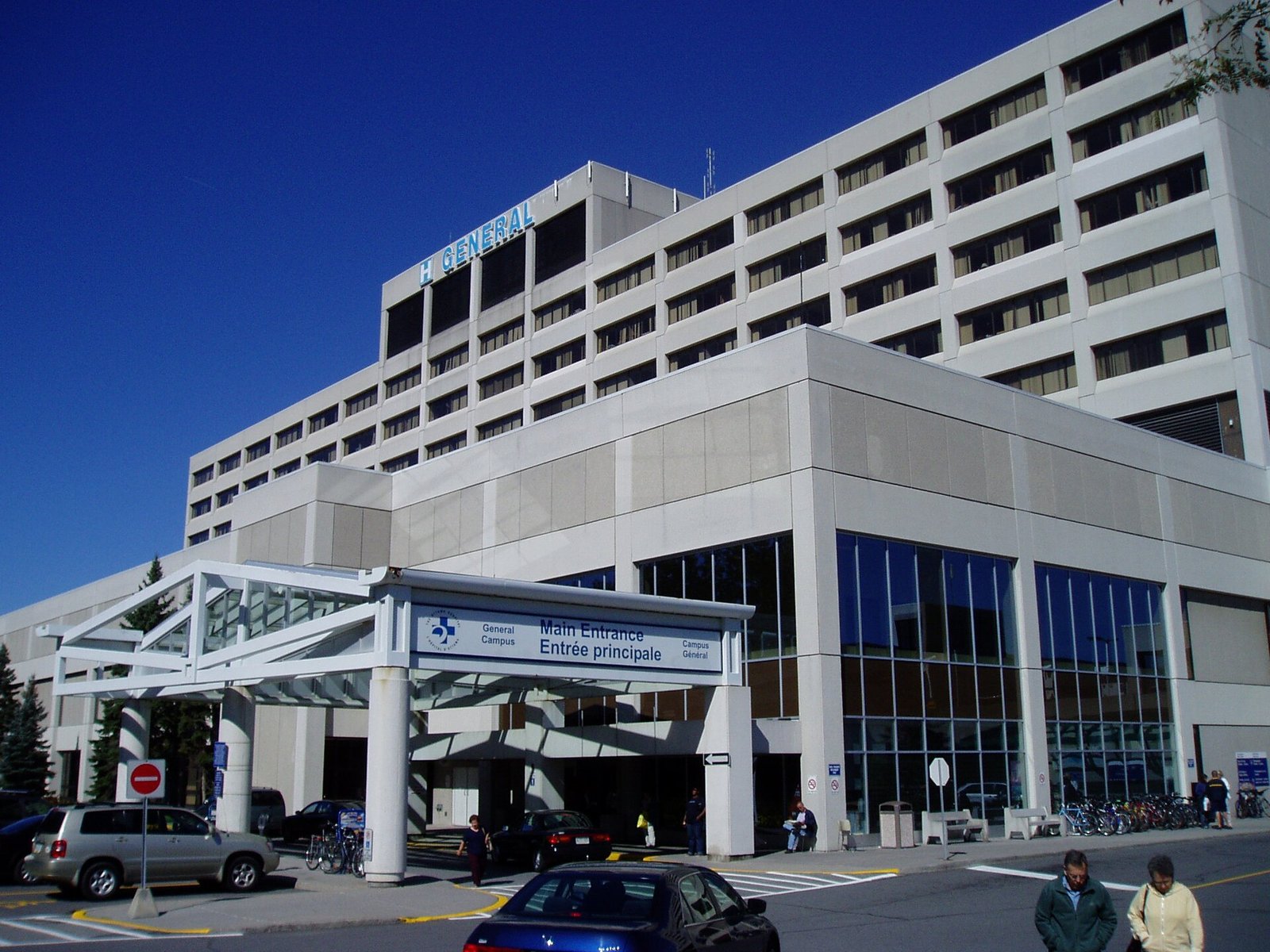
About one in six Canadian doctors reports a disability at least some of the time, CMAJ census study finds
An Ottawa Hospital-led analysis of 2021 long-form census data found mental health and vision were the most commonly reported disabilities, and its authors call for more accessible medical workplaces.

Science
More than half of species assessed at risk since 2017 are overdue for federal listing decisions, SFU-led study finds
Only 17 of 288 COSEWIC-assessed species reached Cabinet on time; none of the marine mammals or marine fish assessed in the period had been forwarded by January 2025, researchers report in FACETS.