Science
HPV vaccine still protects women living with HIV up to nine years later, Canadian study finds
A UBC-led study of 293 women at 14 clinics across Canada, published in The Lancet HIV, found very low rates of vaccine-type HPV infection and no serious precancerous changes from those strains among women who got all three doses.
Published: October 7, 2026 · Updated: October 7, 2026 · 3 min read
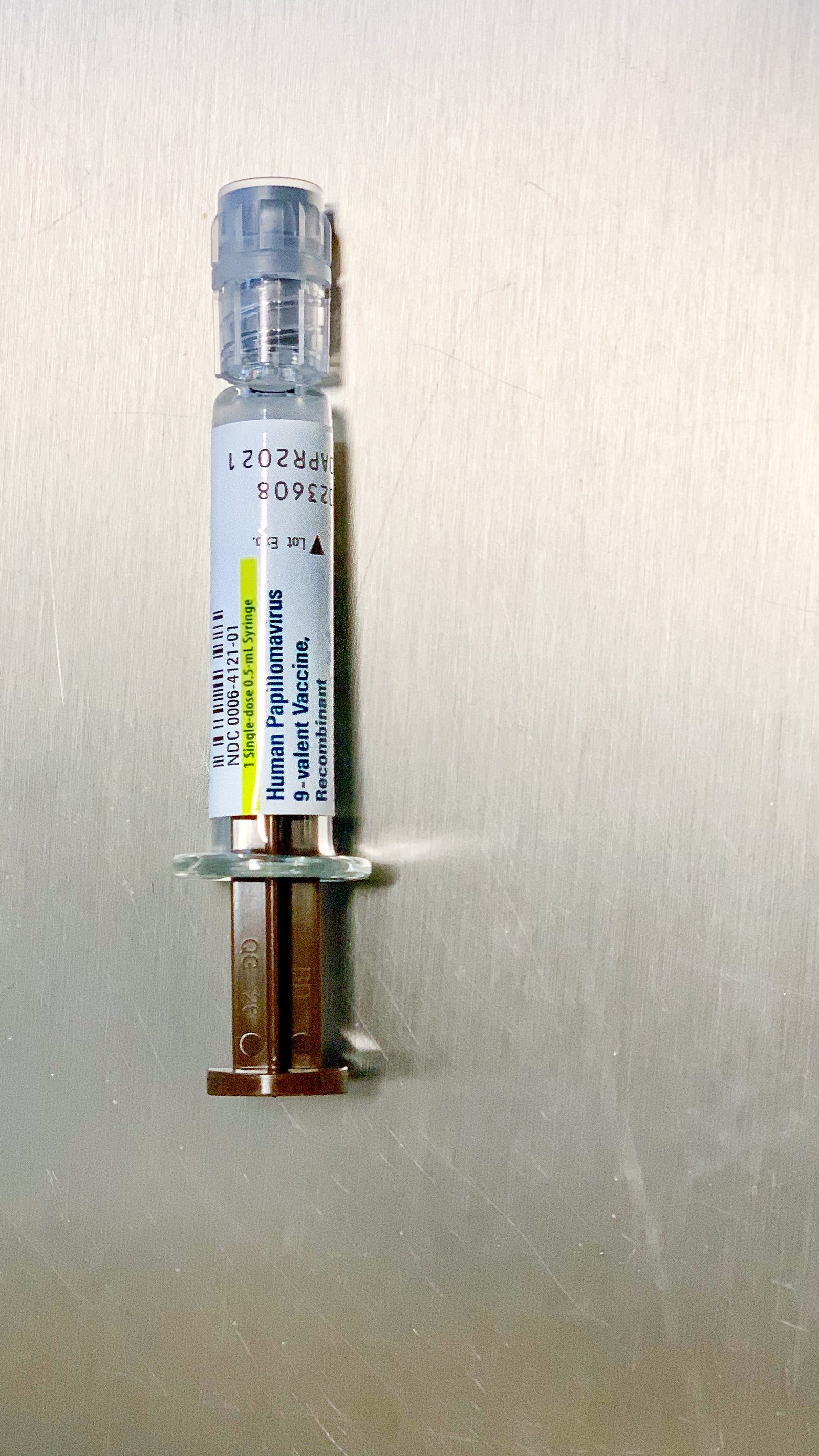
The HPV vaccine continues to give women living with HIV strong protection up to nine years after vaccination, according to a Canadian study that researchers describe as the longest of its kind in this population. The research, led by the UBC Faculty of Medicine and published in The Lancet HIV, followed 293 women living with HIV through 14 HIV and gynecological care clinics across the country, the university said Tuesday. Until now, researchers had little evidence about how well the vaccine works in women living with HIV beyond two years, UBC said.
The researchers found the vaccine produced a strong immune response that was sustained over time. Among women who received all three doses and did not already have the HPV strains the vaccine targets, rates of HPV infection and genital warts were very low, and no participants developed serious precancerous changes to the cervix caused by those strains. “Our findings are incredibly reassuring,” said first author Dr. Elisabeth McClymont, an assistant professor in UBC’s departments of obstetrics and gynaecology and of pediatrics. “Even in a population whose immune systems can be affected by HIV, vaccination provided strong protection against HPV infection and cervical cancer for many years.”
Keeping HIV under control appears to matter. Maintaining an undetectable HIV viral load was important for sustaining HPV antibody levels over time, the researchers found, which they said underscores the importance of continued access to HIV treatment and care. That is consistent with earlier results from the same national cohort, known as CTN 236, in which participants with a fully suppressed viral load had greater immune responses to the vaccine, according to a study summary from UBC’s Reproductive Infectious Diseases program.
Participants in the cohort received the quadrivalent HPV vaccine, which protects against HPV types 6, 11, 16 and 18, the program says. In the study’s first phase, the vaccine was well tolerated with no safety concerns identified, and rates of new infection with those types, genital warts and precancerous cervical changes in the two years after vaccination were lower than expected for women living with HIV. The program notes that ongoing cervical cancer screening remains important for women living with HIV.
The stakes are high. Women living with HIV are six times more likely to be infected with HPV and twice as likely to die from invasive cervical cancer as those without HIV, UBC said. The World Health Organization says women living with HIV are six times more likely to develop cervical cancer than women without HIV, and that cervical cancer caused around 280,000 deaths worldwide in 2024. In women with weakened immune systems, such as those with untreated HIV, abnormal cells can become cancer in five to 10 years rather than the usual 15 to 20, the WHO says, and it advises that people living with HIV ideally receive two or three vaccine doses.
“Cervical cancer is preventable, yet it continues to take lives in Canada and around the world, particularly in places where HIV rates are higher and access to screening and prevention is limited,” said senior author Dr. Deborah Money, professor and head of UBC’s department of obstetrics and gynaecology. “We now have concrete evidence that HPV vaccination works very well for women living with HIV over the long term.” Nearly 20 million women and girls are living with HIV worldwide, with a disproportionate burden in sub-Saharan Africa, where access to cervical cancer screening can also be limited, UBC said.
The findings come as countries work toward the WHO goal of eliminating cervical cancer as a public health problem, which it defines as four or fewer new cases per 100,000 women a year. The WHO’s global strategy sets 2030 targets of fully vaccinating 90 per cent of girls by age 15, screening 70 per cent of women with a high-performance test by 35 and again by 45, and treating 90 per cent of women with precancer and managing 90 per cent of those with invasive cancer. Canada has committed to eliminating cervical cancer by 2040, according to the Canadian Partnership Against Cancer, whose national action plan set a target of having 90 per cent of 17-year-olds fully vaccinated against HPV by 2025.
The study was supported by the Canadian Institutes of Health Research and the CIHR Canadian HIV Trials Network, with an in-kind contribution from Merck Canada, UBC said.
This article is for general information and is not medical advice. Talk to a health-care professional about your own situation.
Sources: UBC Faculty of Medicine news release (Oct. 6, 2026); UBC Reproductive Infectious Diseases program, CTN 236 long-term follow-up study; World Health Organization cervical cancer fact sheet; WHO Cervical Cancer Elimination Initiative; Canadian Partnership Against Cancer.
Sources
- UBC Faculty of Medicine news release (Oct. 6, 2026) · academic
- UBC Reproductive Infectious Diseases program, CTN 236 long-term follow-up study · academic
- World Health Organization cervical cancer fact sheet · organization
- WHO Cervical Cancer Elimination Initiative · organization
- Canadian Partnership Against Cancer · organization
Newsletter
News. Context. What matters.
One essential briefing, written for people who would rather understand the story than scroll it.
Unsubscribe anytime. We don’t sell addresses.
Recommended

Science
As Western Canada locks in daylight time, a CMAJ analysis says permanent standard time is better for health
Clocks won’t fall back on Nov. 1 across much of the West. B.C. researchers warn that later winter sunrises could cost sleep, mood and school performance, and urge governments to plan ahead and track the effects.

Science
Francis Halzen wins the Nobel Prize in physics for IceCube, the South Pole detector that caught cosmic neutrinos
The University of Wisconsin–Madison physicist takes the full 2026 prize for turning a cubic kilometre of Antarctic ice into a neutrino telescope, a collaboration that includes researchers at three Canadian universities.
Science
Black people in Canada face 66 per cent higher risk of severe pregnancy complications, national study finds
The first population-based national analysis, published in CMAJ, found the gap persisted across income levels and immigration status, and widened among higher-income families.