Science
As Western Canada locks in daylight time, a CMAJ analysis says permanent standard time is better for health
Clocks won’t fall back on Nov. 1 across much of the West. B.C. researchers warn that later winter sunrises could cost sleep, mood and school performance, and urge governments to plan ahead and track the effects.
Published: October 6, 2026 · Updated: October 6, 2026 · 4 min read
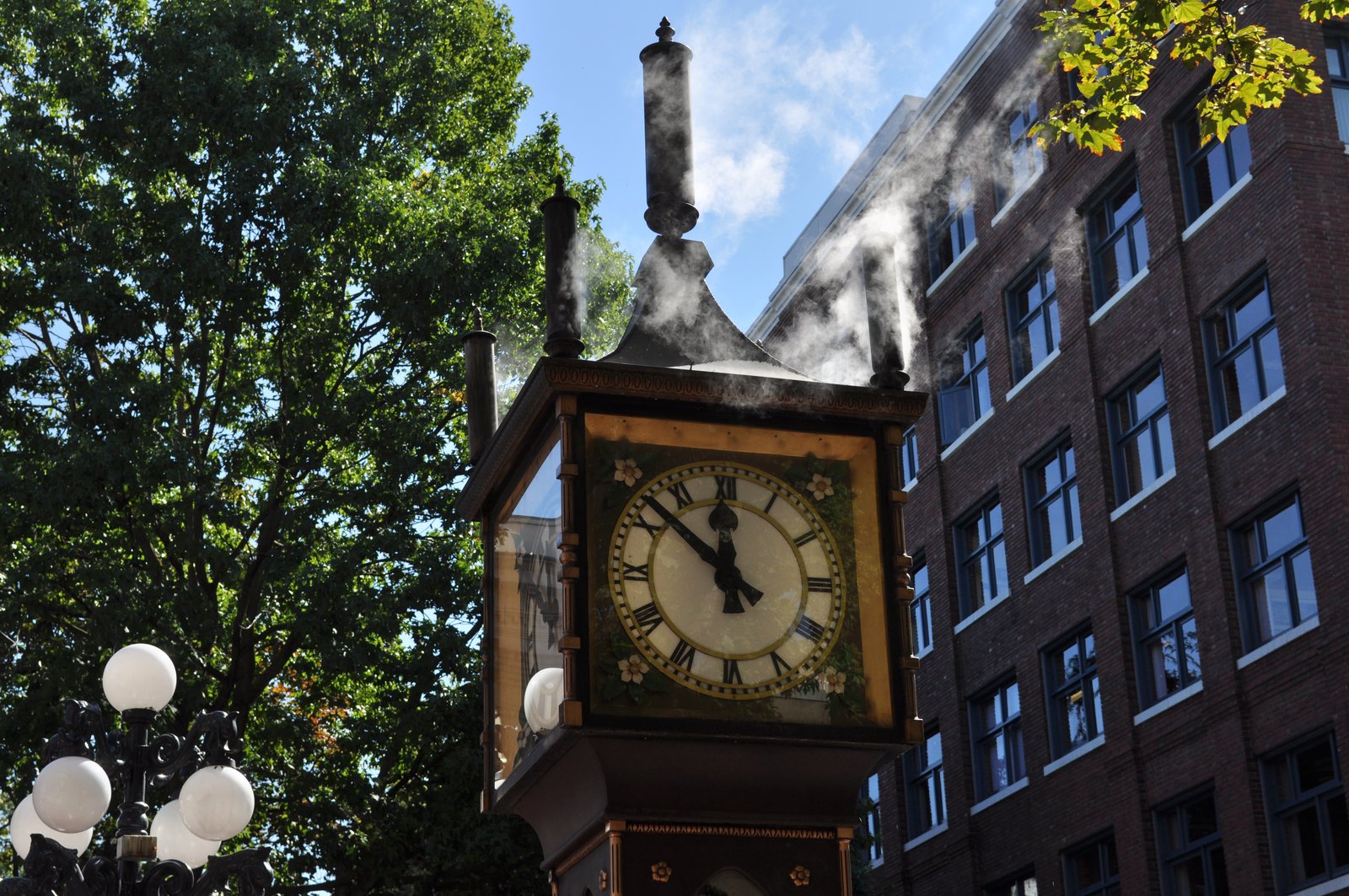
When clocks would normally fall back on Nov. 1, much of Western Canada will stay put on permanent daylight time. A new analysis in the Canadian Medical Association Journal argues that is the wrong choice for health: if governments end the twice-yearly clock change, the authors say, the evidence favours permanent standard time, which keeps more light in winter mornings. The paper, published Monday, was written by Dr. Raymond Lam, a psychiatry professor at the University of British Columbia; Ralph Mistlberger, a psychology professor at Simon Fraser University; Patrick Baylis, an economist at UBC’s Vancouver School of Economics; and Dr. Alexandra Choi, a medical health officer with Vancouver Coastal Health.
“Ending the clock change solves one problem, but it creates another decision: which time should we live on year-round?” Lam said in a CMAJ news release. “The health evidence points to standard time, largely because morning light matters for our body clocks, sleep, and mood.” The authors note that major sleep and chronobiology societies, including Canadian ones, have called for ending the time change and adopting permanent standard time.
Governments have mostly gone the other way. Yukon moved to permanent daylight time in 2020. B.C. made its final clock change on March 8, and its new year-round Pacific time runs seven hours behind UTC, the same offset as summer daylight time, according to the provincial government, which cites a 2019 public engagement in which 93 per cent of 223,000 participants supported year-round daylight time. Alberta and the Northwest Territories followed a month later, the analysis says. On Sept. 17, Manitoba announced that it would also stay on daylight time; in its spring survey of nearly 72,000 people, 92 per cent wanted to end time changes, 58 per cent preferred permanent daylight time and 34 per cent preferred standard time. Baylis told The Canadian Press that B.C.’s survey compared only the old switching system with permanent daylight time and did not offer permanent standard time as an option.
The core issue is light. Morning light helps keep the body’s internal clock in sync with the 24-hour day, while evening light pushes it later. “Our biological clocks need morning light to stay synchronized with the 24-hour day,” Mistlberger said in the release. “Permanent daylight saving time moves that light an hour later just when winter mornings are already darkest.” By the paper’s calculations, under permanent daylight time the latest winter sunrise comes around 9:08 a.m. in Vancouver, 9:27 a.m. in Winnipeg and 9:40 a.m. in Calgary, an hour later than under standard time. The authors link the resulting “social jet lag,” when work and school schedules force people awake before their body clock is ready, to sleep loss, poorer mental health and metabolic risk in observational studies. They estimate that one to three per cent of people in Canada have seasonal affective disorder and as many as 15 per cent have milder seasonal changes in mood, sleep, appetite and energy.
Some groups may be hit harder, the analysis says, including teenagers, whose sleep timing shifts later in puberty while school start times stay early; shift and early-start workers; transit users, pedestrians and cyclists; and people in rural or lower-income communities with poorer lighting and transportation. It cites a study of schools along a time-zone boundary in Florida in which an extra hour of sunlight before school was linked to higher math and reading scores among adolescents, an effect the authors compare to meaningful class-size reductions. Another U.S. study found an hour of later sunset reduced weekly sleep by nearly an hour and long-run earnings by about five per cent.
The authors acknowledge that permanent daylight time has real appeal. “People like more light after work and school,” Baylis said in the release, but “those evening benefits have to be weighed against evidence linking later solar time with less sleep, lower productivity, and worse educational outcomes.” They also point to history: the United States adopted permanent daylight time during the 1974 energy crisis and dropped it within a year amid opposition to dark winter mornings, Russia reversed its 2011 move in 2014, and most of Chile reversed a 2015 change. The analysis notes that the U.S. House of Representatives passed a bill in July to make daylight time permanent nationwide, which is before the Senate, and that Canada would likely face pressure to follow if it becomes law.
If provinces stick with daylight time, the authors recommend planning for darker mornings before the first winter: better street lighting and sidewalks, reflective gear for schoolchildren, traffic-safety measures for pedestrians and cyclists, later school start times, flexible work hours, brighter blue-enriched morning light in schools and workplaces, and tracking of sleep, mood, injuries and school attendance. “Time policy is a public health policy,” Choi said. Mistlberger, who uses an adjustable lamp that shifts from cool light in the morning to warm light in the evening, told CP that people should “get as much light exposure as you can as early as possible in the day.”
This article is for general information and is not medical advice. Talk to a health-care professional about your own situation.
Sources: Lam et al., CMAJ (Oct. 5, 2026); CMAJ news release via EurekAlert!; The Canadian Press via Global News; Government of British Columbia; Government of Manitoba news release (Sept. 17, 2026).
Sources
- Lam et al., CMAJ (Oct. 5, 2026) · academic
- CMAJ news release via EurekAlert! · academic
- The Canadian Press via Global News · news
- Government of British Columbia · government
- Government of Manitoba news release (Sept. 17, 2026) · government
Newsletter
News. Context. What matters.
One essential briefing, written for people who would rather understand the story than scroll it.
Unsubscribe anytime. We don’t sell addresses.
Recommended

Science
Francis Halzen wins the Nobel Prize in physics for IceCube, the South Pole detector that caught cosmic neutrinos
The University of Wisconsin–Madison physicist takes the full 2026 prize for turning a cubic kilometre of Antarctic ice into a neutrino telescope, a collaboration that includes researchers at three Canadian universities.
Science
Black people in Canada face 66 per cent higher risk of severe pregnancy complications, national study finds
The first population-based national analysis, published in CMAJ, found the gap persisted across income levels and immigration status, and widened among higher-income families.

Science
Optogenetics pioneers Deisseroth, Hegemann and Nagel win 2026 Nobel Prize in medicine
The prize honours an algal light-sensing protein that became an on-off switch for neurons, a tool that has reshaped brain research and is now being tested to restore some sight.