Science
Tariffs on Ontario and Quebec power would raise New York costs and blackout risk, Cornell study finds
A peer-reviewed analysis of a decade of New York grid data finds a levy above about 55 per cent would all but price out Ontario electricity, pushing the state toward oil and gas plants and thinning its emergency reserves.
Published: October 5, 2026 · Updated: October 5, 2026 · 3 min read
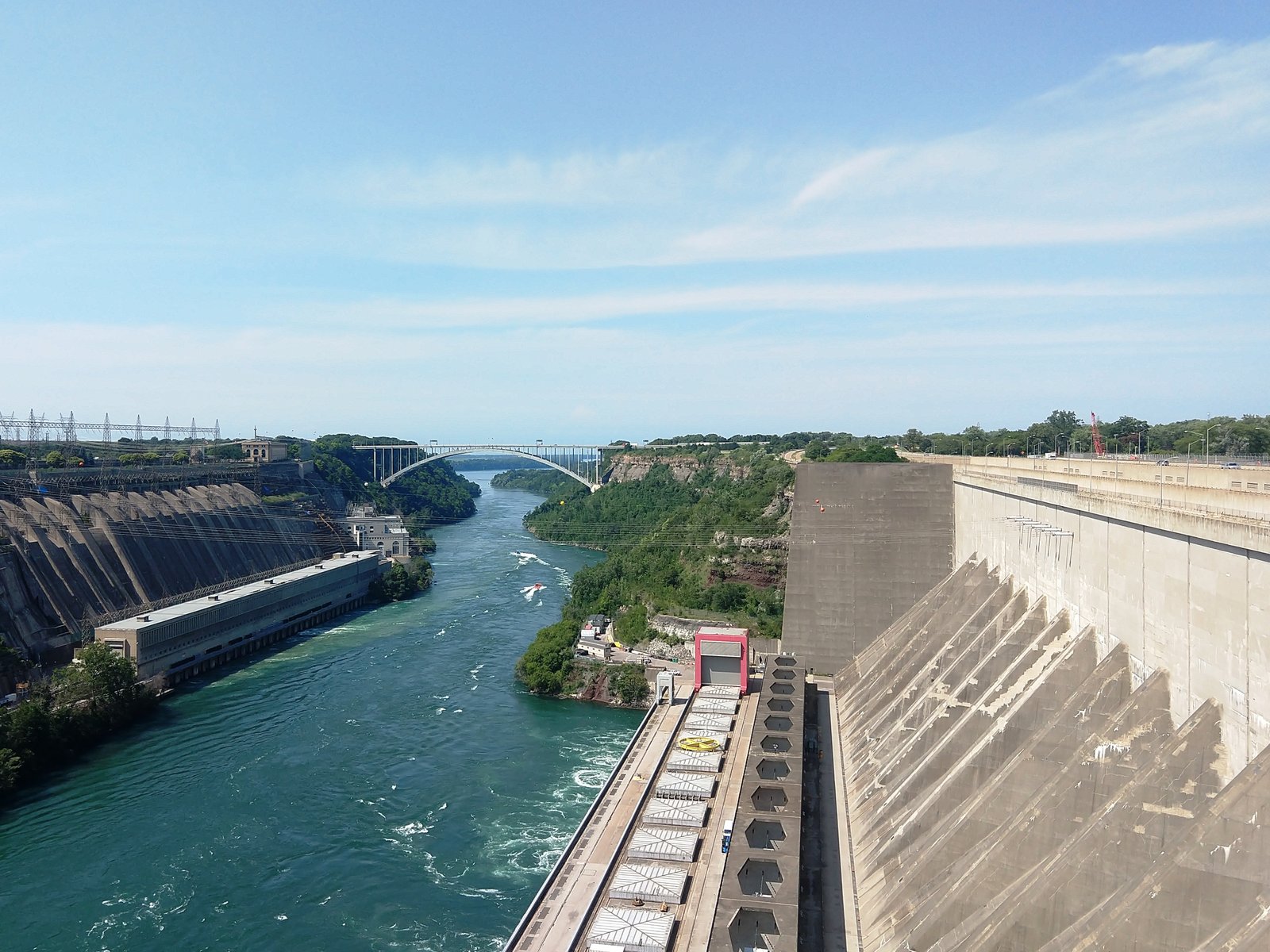
With tariffs piling up on goods that cross the Canada-U.S. border, a new peer-reviewed study warns that turning electricity into a bargaining chip would leave New York paying more for dirtier and less reliable power. Using 10 years of New York electricity-market data and power-system simulations, Cornell University researchers found that tariffs on Canadian electricity would cut imports, raise prices, reduce overall economic welfare and increase carbon emissions, according to the paper published Oct. 1 in Nature Communications.
The authors, postdoctoral researcher Siyuan Wang and engineering professor Fengqi You, identified tipping points. Under historical market conditions, a tariff above roughly 55 per cent on Ontario power would nearly eliminate those imports from New York’s market. If the tariff also covered Quebec, the threshold rose to about 90 per cent, reflecting Hydro-Québec’s stronger cost advantage from low-cost hydropower. The modelled tariff stands in for either a U.S. import duty or a Canadian export surcharge, since both raise the effective price of Canadian bids.
Canadian power is a modest but important slice of New York’s supply. From 2015 to 2024, imports from Canada met 9.89 per cent of the state’s electricity load, 4.25 per cent from Ontario and 5.64 per cent from Quebec, and in some five-minute intervals they supplied as much as 45 per cent, the Cornell Chronicle reported. The researchers fed about 165 million bidding records from the New York Independent System Operator into market, emissions and grid-reliability models.
The study was prompted by a short-lived Canadian move. In March 2025, Ontario applied a 25 per cent surcharge on electricity exports to New York, Michigan and Minnesota; it lasted about a day, the Chronicle said. The province’s grid operator, the IESO, has said the energy minister directed it on March 10, 2025, to apply a $10-per-megawatt-hour charge and then, on March 11, to cut it to zero, while Ontario kept the ability to reinstate it at any time. “If electricity becomes this bargaining tool, it has some implications because it’s not the typical goods or products that we see in other markets,” You said.
The emissions effect follows from what replaces Canadian power. Hydro-Québec’s generation is about 99 per cent renewable and fossil fuels make up only about 12 per cent of Ontario’s output, the paper notes, so lost imports are made up by in-state gas and oil plants and by more purchases from neighbouring U.S. grids that rely more on fossil fuels. “Many people may not realize that a trade policy could also have a climate consequence,” You said.
Reliability may be the bigger worry. In stress tests on New York’s 100 most severe summer peak days, curbing Canadian imports shrank reserve margins and forced greater use of costly oil-fired peaking plants in New York City and Long Island, where Quebec’s high-voltage lines deliver power directly. In a simulation based on Winter Storm Elliott in December 2022, full, responsive support from Canada raised the share of gas-fired generators that could fail before the grid had to shed load from 40 per cent to 55 per cent. Losing that flexibility “could potentially increase the risk of blackouts. It could be catastrophic,” You said.
There are stakes on the Canadian side as well. Tariffs reduce the welfare of Canadian exporters, the authors write, although lower exports could leave more electricity available to customers in the affected provinces and potentially lower local prices. They also point to the 1,250-megawatt Champlain Hudson Power Express, a roughly US$6-billion line linking Quebec to New York City that entered commercial operation in May 2026 on the assumption of tariff-free trade, and warn that new trade barriers could raise the perceived risk of future cross-border transmission projects.
The researchers acknowledge limits: New York’s bidding data are anonymized, and the detailed state transmission model is not public, so they reconstructed a synthetic network from open sources. They say the findings are relevant to other interconnected border regions and suggest a bilateral energy-security protocol requiring consultation with grid operators before electricity trade is restricted. “It’s not only about how many dollars you collect from the tariffs,” You said. “It’s also about the reliability and energy-security value of keeping interconnected grids available when the system is under stress.”
Sources: Nature Communications; Cornell Chronicle; Independent Electricity System Operator (IESO).
Sources
- Nature Communications · other
- Cornell Chronicle · other
- Independent Electricity System Operator (IESO) · other
Newsletter
News. Context. What matters.
One essential briefing, written for people who would rather understand the story than scroll it.
Unsubscribe anytime. We don’t sell addresses.
Recommended
Science
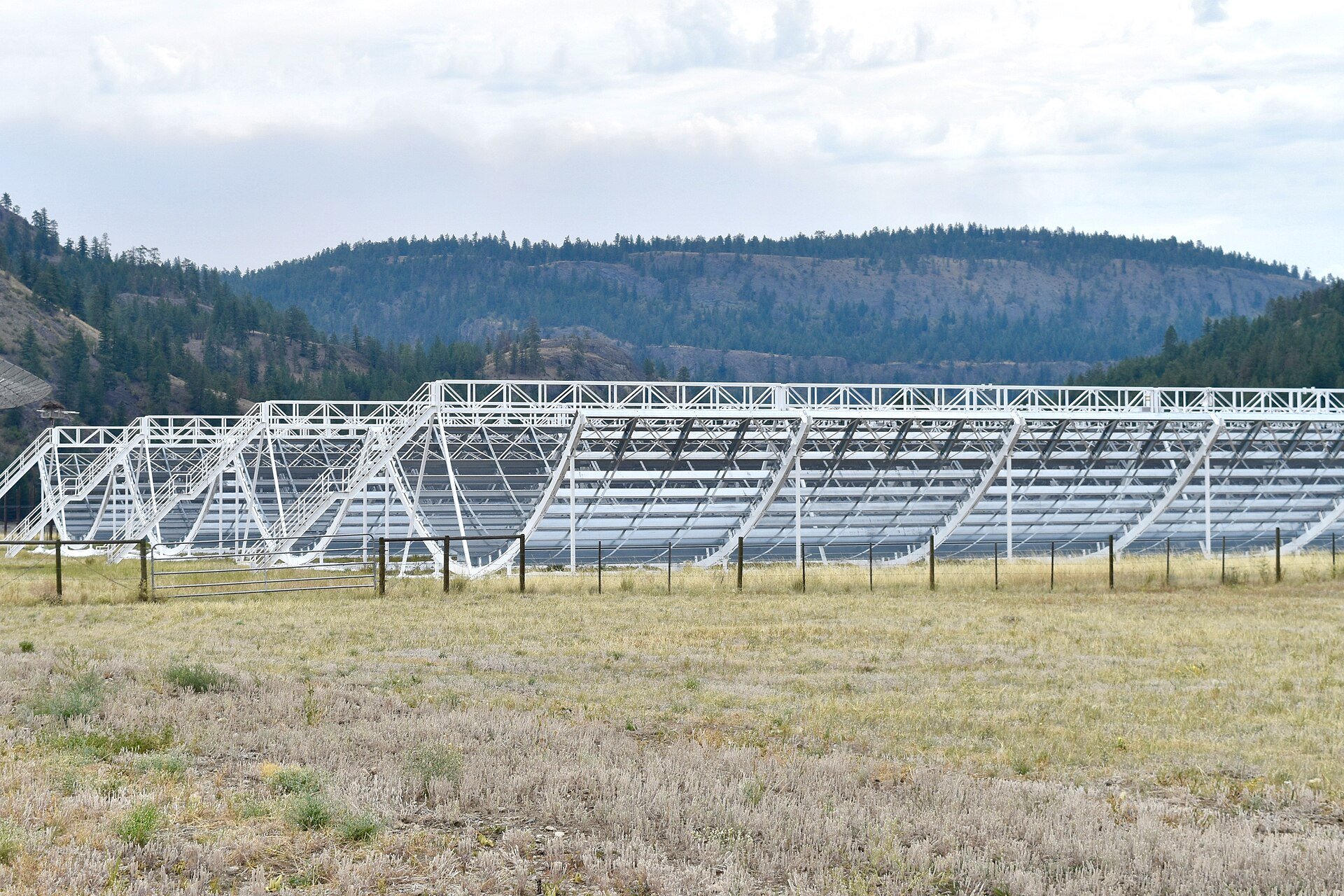
CHIME telescope maps cosmic hydrogen glow on its own, opening a dark-energy shortcut
Canadian-built array near Penticton detects 21 cm signal at redshift ~1 without cross-matching galaxy surveys — a first for intensity mapping.
Science
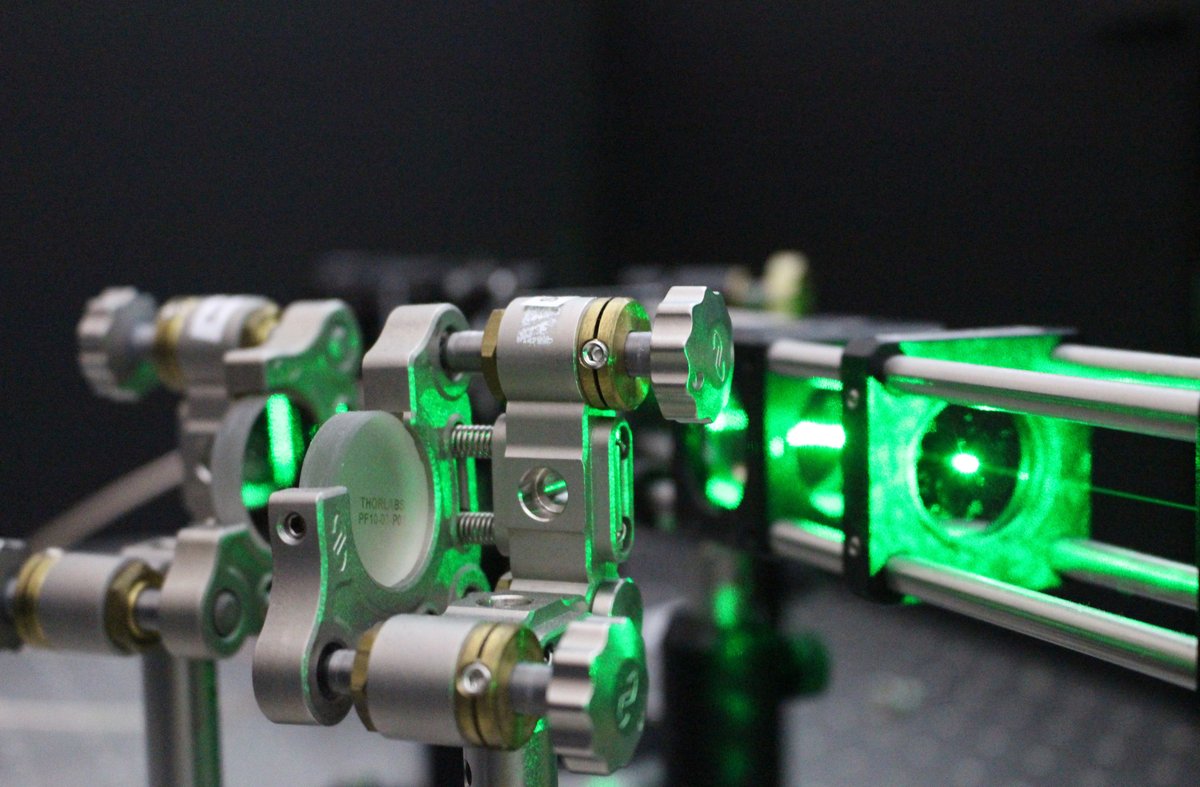
Florence physicists entangle a levitating glass speck with light at room temperature
A Science paper shows stationary quantum links between a 100-nanometre silica nanosphere’s motion and a travelling optical field — no cryogenics required.

Science
ETH–PSI ‘atomic cannon’ fires cold muonium beam toward Einstein gravity test
A Nature Physics breakthrough produces an intense, near-parallel beam of exotic atoms so researchers can ask whether second-generation matter falls like ordinary matter.