Science
Black people in Canada face 66 per cent higher risk of severe pregnancy complications, national study finds
The first population-based national analysis, published in CMAJ, found the gap persisted across income levels and immigration status, and widened among higher-income families.
Published: October 6, 2026 · Updated: October 6, 2026 · 3 min read
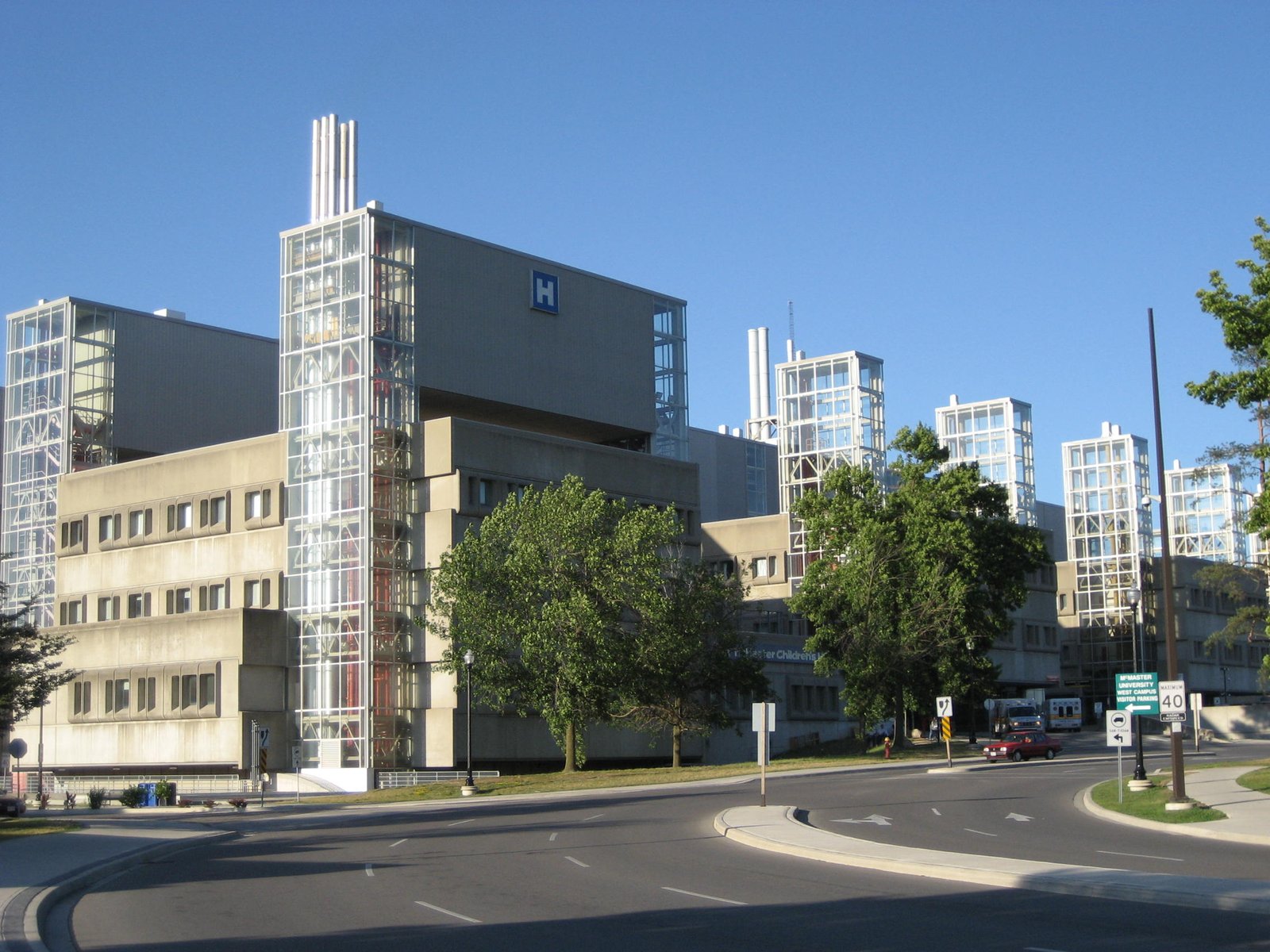
Black people in Canada are significantly more likely than white people to suffer life-threatening complications during pregnancy, childbirth and the weeks after delivery, according to what its authors describe as the first population-based national analysis of the gap. The research, published this week in CMAJ, found severe maternal morbidity occurred in 47.8 of every 1,000 live births to Black people, compared with 27.7 per 1,000 among white people. After adjusting for demographic, socioeconomic and clinical differences, Black people had about 66 per cent higher odds of a severe complication.
The team, led by researchers at McMaster University with a co-senior author from the Public Health Agency of Canada, used a Statistics Canada data linkage that connects birth records with hospital and emergency department data, the 2021 long-form census, tax files and immigration records. It covered 108,365 in-hospital deliveries to Black people and 1,385,810 to white people between 2012 and 2023, weighted to be nationally representative. Quebec was excluded because its hospital and emergency department data were not available in the linked data set.
Severe maternal morbidity is a composite measure of serious complications linked to high death rates and long hospital stays, including severe preeclampsia, eclampsia, severe hemorrhage, sepsis, cardiac conditions, acute kidney failure, hysterectomy, intensive care admission and assisted breathing. The study counted events from conception to six weeks after birth. Severe preeclampsia was the most common type in both groups, at 11.1 per 1,000 births among Black people and 6.7 among white people, followed by severe hemorrhage (9.1 versus 6.7) and sepsis (6.6 versus 5.2).
One of the starkest findings involved income. Among white people, rates of severe complications fell as household income rose, but among Black people they rose with income, so the disparity widened up the income scale: in the lowest income group the adjusted difference was small and not statistically significant, while in the highest it was about 62 per cent. Giulia Muraca, an associate professor of obstetrics and gynecology at McMaster and the study’s co-senior author, told CBC News this may reflect a “diminishing returns” pattern, in which people facing structural marginalization do not get the same benefit from higher income.
Immigration status did not explain the gap either. Black immigrants had roughly three times the risk of white immigrants within each immigration category, compared with about 1.6 times among people who were not immigrants. The disparity also persisted when the researchers excluded people with sickle cell disease, HIV and preeclampsia-related conditions, which occur at different rates in the two groups. Differences between provinces, ranging from the largest gap in New Brunswick to the smallest in Nova Scotia, were not statistically significant, and rates were stable over the 11-year period.
“This study shows that race is a strong predictor of maternal health outcomes in Canada, but it’s important to understand that being Black is not a cause of severe pregnancy complications,” Muraca said in a university release. Cynthia Maxwell, co-lead of Ontario’s Black Reproductive Health Working Group, which collaborated on the study, said that when inequities persist across income, immigration groups and medical conditions, “we need to ask what it is about our health and social systems that is producing different outcomes.”
The authors stress several limitations. Race is a social rather than biological category, and the results should not be read as reflecting inherent biological differences. The data lacked body mass index, adequacy of prenatal care and length of labour, and because only live births were included, the disparity may be underestimated. The findings may also not apply to Quebec, home to about a quarter of Canada’s Black population. Advocates told CBC News the findings provide long-sought Canadian evidence; the broadcaster cited a 2025 study of nearly 2,000 Black women and girls in which 42 per cent said they avoid seeking medical care because they fear how they will be treated.
The researchers call for routine collection and public reporting of maternal outcomes by race, anti-racism and cultural safety initiatives in maternity care, partnerships with Black communities in designing services, and equitable access to prenatal, delivery and postpartum care. The study was funded by the Canadian Institutes of Health Research.
This article is for general information only and is not medical advice. Talk to a health-care professional about your own situation.
Sources: CMAJ (Canadian Medical Association Journal); McMaster University Faculty of Health Sciences; CBC News.
Sources
- CMAJ (Canadian Medical Association Journal) · study
- McMaster University Faculty of Health Sciences · university
- CBC News · news
Newsletter
News. Context. What matters.
One essential briefing, written for people who would rather understand the story than scroll it.
Unsubscribe anytime. We don’t sell addresses.
Recommended

Science
Optogenetics pioneers Deisseroth, Hegemann and Nagel win 2026 Nobel Prize in medicine
The prize honours an algal light-sensing protein that became an on-off switch for neurons, a tool that has reshaped brain research and is now being tested to restore some sight.

Science
Tariffs on Ontario and Quebec power would raise New York costs and blackout risk, Cornell study finds
A peer-reviewed analysis of a decade of New York grid data finds a levy above about 55 per cent would all but price out Ontario electricity, pushing the state toward oil and gas plants and thinning its emergency reserves.

Science
CHIME telescope maps cosmic hydrogen glow on its own, opening a dark-energy shortcut
Canadian-built array near Penticton detects 21 cm signal at redshift ~1 without cross-matching galaxy surveys — a first for intensity mapping.