Science
Climate-driven wildfires could cost Canada more than $2 trillion this century unless warming is held to 2 C, SFU study finds
A Simon Fraser University model puts the annual cost of climate-change-driven fire impacts at $43 billion by the end of the century in a 3-4 C world. Its lead author says the estimate is likely conservative because it leaves out health, evacuation and infrastructure costs.
Published: October 7, 2026 · Updated: October 7, 2026 · 3 min read
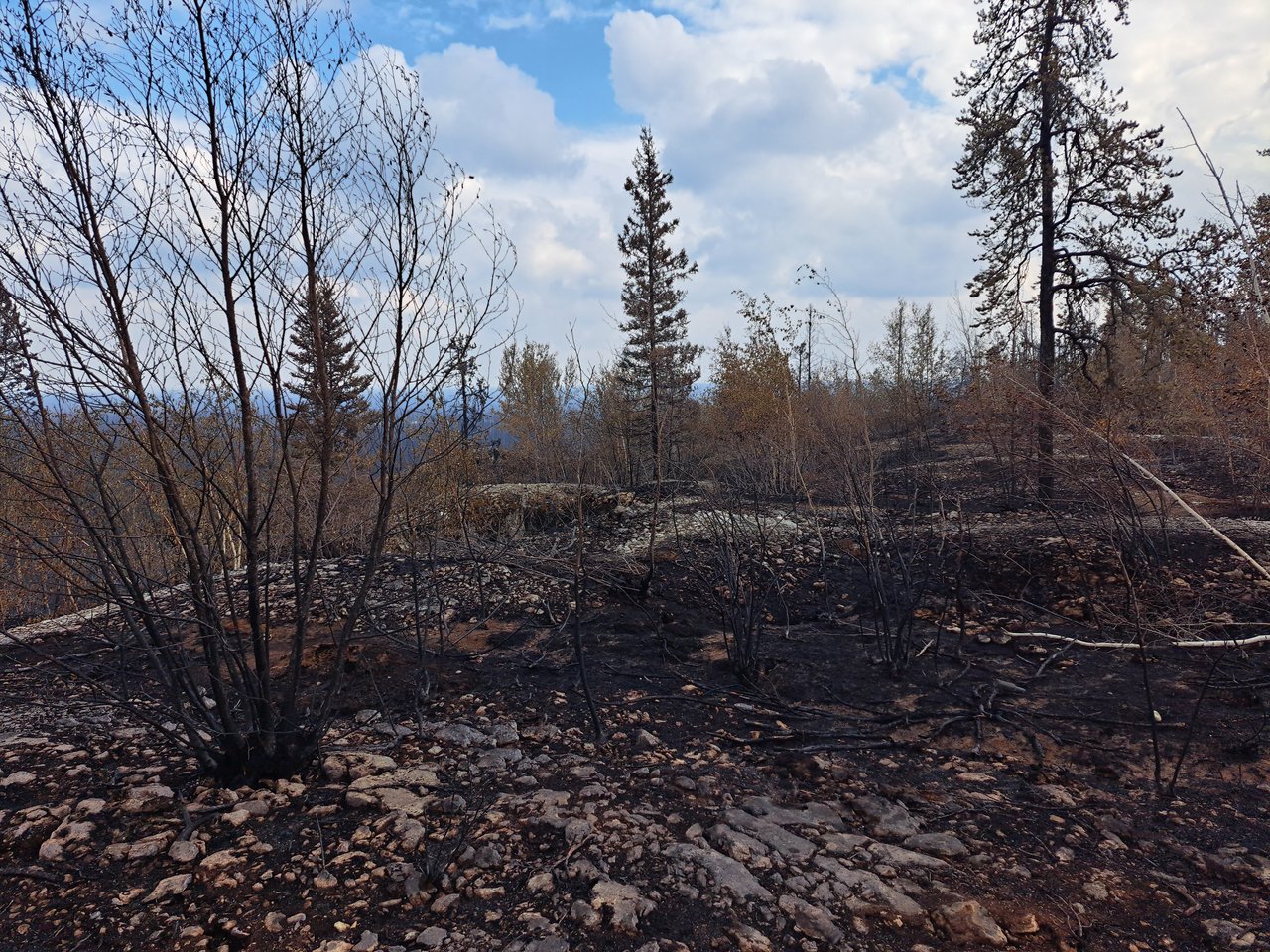
Wildfires driven by climate change could cost more than $2.1 trillion cumulatively over the 21st century if global temperatures rise by 3 to 4 C, according to a Simon Fraser University study released Wednesday. The modelling study, published in the journal Environmental Research, is among the first to put a price tag on projected Canadian wildfire activity driven by climate change, the university said. Its central message is that the bill depends heavily on how much the planet warms.
The researchers calculated the direct costs of wildfire suppression, net timber yield loss and lost nature-based recreation in Canada, as well as the global societal costs of wildfire carbon emissions, such as crop losses, damage from sea-level rise and declines in human health worldwide. Their projection model represents fire weather, vegetation growth, suppression, and lightning and human ignitions, and it calculated costs under three warming scenarios: a global temperature rise of 2 C or less, a rise of 3 to 4 C, and a rise of 4 to 5 C.
“Societal and economic costs of wildfire are highly dependent on the actions that we take to mitigate climate change right now,” said Sian Kou-Giesbrecht, an assistant professor of resource and environmental management at SFU and the study’s lead author. “If we keep global warming to 2 C or less, wildfire impacts and costs will be similar to what we've experienced over recent decades. But if we continue to rely on fossil fuels and move farther away from that target, we're going to end up with much, much higher costs.”
Kou-Giesbrecht does not expect the hottest scenario. “In somewhat good climate news, we don’t think we’ll hit a rise of 4 or 5 C, largely because of green energy developments happening primarily outside of Canada,” Kou-Giesbrecht said, calling a rise of 3 to 4 C a more realistic worst case. Even in that scenario, the study puts the annual cost of climate-change-driven wildfire impacts at $43 billion by the end of the century, and more than $2.1 trillion over the century as a whole.
The researcher says the figures are likely conservative. The model did not include the costs of wildfire-related health impacts, evacuations, infrastructure loss or economic disruption within Canada, and it did not account for singular extreme events such as Canada’s record-breaking 2023 wildfires, which forced more than 200 communities to evacuate and exposed millions of Canadians to hazardous air pollutants. The only available path to limit the economic and environmental consequences of wildfires in Canada, according to Kou-Giesbrecht, is immediate action to drastically cut greenhouse gas emissions and hold the global temperature rise to 2 C.
The costs are already large. Annual national costs for fighting wildland fire total over $1 billion, and indirect costs such as property loss and damage, business and industry disruption, and rebuilding critical infrastructure and services average around $500 million a year and can be higher in busier seasons, according to Natural Resources Canada. Starting in 2022-23, the department and Indigenous Services Canada received $346.1 million over five years for a program that funds firefighting equipment and the training of 1,000 new community-based firefighters.
This year’s season showed the trend. A World Weather Attribution analysis of the 2026 fires, written after more than three million hectares had burned across Canada, with Ontario and the Northwest Territories especially hard hit, found that human-caused climate change made the extreme fire weather about twice as likely in Ontario and about five times as likely for the worst week in the Northwest Territories, combining observations and climate models. The scientists from Canada, the United States, the Netherlands and the United Kingdom wrote that the last three fire seasons in Canada have been exceptionally severe, with record-breaking burned area and emissions across multiple regions.
This article is for general information and is not medical advice. Talk to a health-care professional about your own situation.
Sources: Simon Fraser University news release (Oct. 7, 2026); Natural Resources Canada: Fighting and Managing Wildfires in a Changing Climate Program; World Weather Attribution: Climate change means extreme fire seasons in Canada are here to stay.
Sources
- Simon Fraser University · academic
- Natural Resources Canada · government
- World Weather Attribution · research
Newsletter
News. Context. What matters.
One essential briefing, written for people who would rather understand the story than scroll it.
Unsubscribe anytime. We don’t sell addresses.
Recommended
Science
Chemistry Nobel goes to Henri Kagan and Kenso Soai for showing how reactions can favour one mirror-image molecule
The French and Japanese chemists cracked a century-old puzzle about why life’s molecules come in only one “hand,” work the Nobel committee says has been decisive for chemists who design reactions to make medicines.

Science
HPV vaccine still protects women living with HIV up to nine years later, Canadian study finds
A UBC-led study of 293 women at 14 clinics across Canada, published in The Lancet HIV, found very low rates of vaccine-type HPV infection and no serious precancerous changes from those strains among women who got all three doses.
Science
As Western Canada locks in daylight time, a CMAJ analysis says permanent standard time is better for health
Clocks won’t fall back on Nov. 1 across much of the West. B.C. researchers warn that later winter sunrises could cost sleep, mood and school performance, and urge governments to plan ahead and track the effects.