Money
U.S. producer prices just posted their biggest jump in 4½ years. The Bank of Canada is watching.
September PPI rose 1.3% in a month and 6.3% over the year, with gasoline up 20.3%. The hot reading puts a Fed hike back on the table — and sharpens the stakes for the Bank of Canada's Oct. 28 decision.
Published: October 15, 2026 · Updated: October 15, 2026 · 1 min read
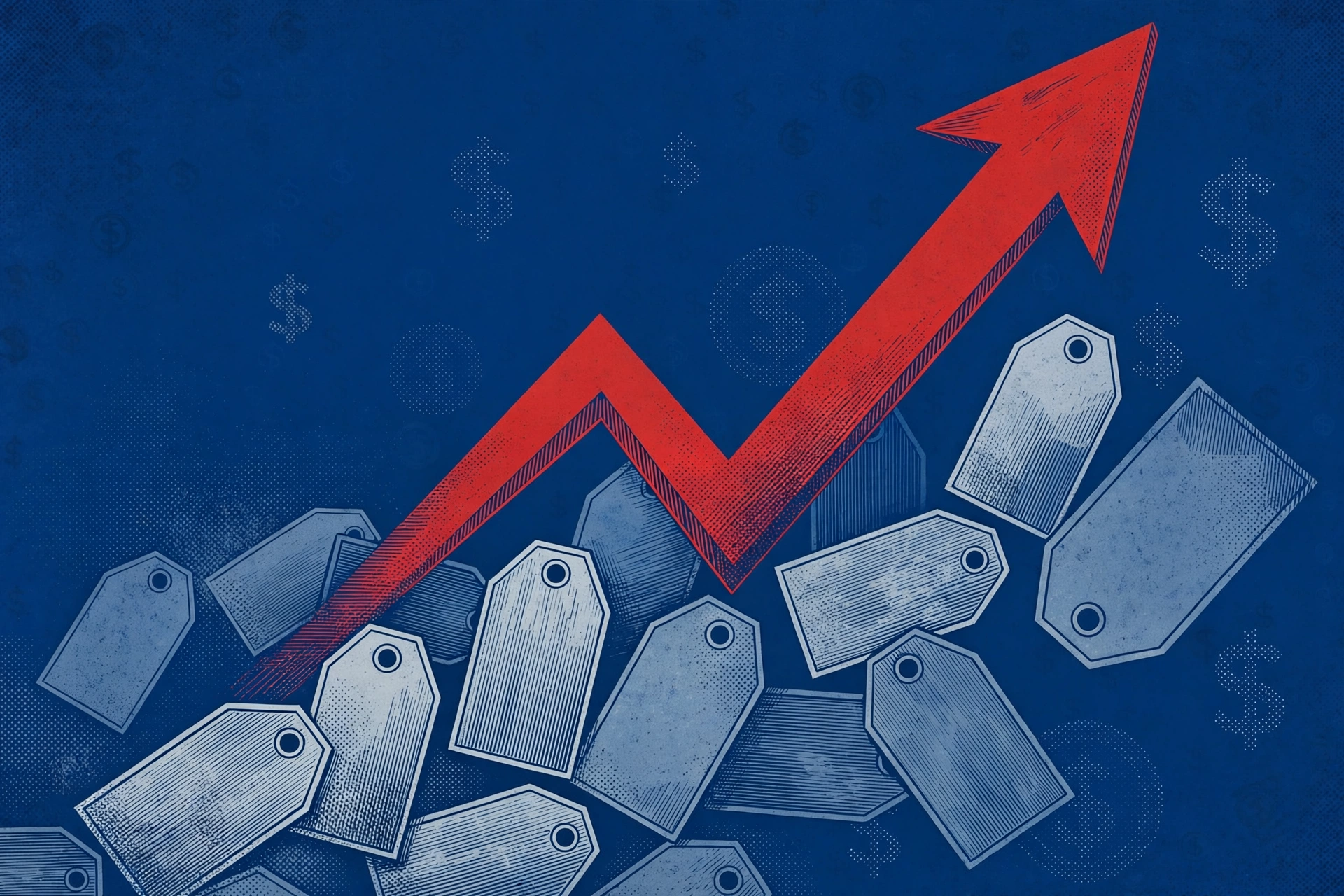
Wholesale inflation in the United States accelerated sharply in September, the Bureau of Labor Statistics reported Thursday, with the producer price index rising 1.3% from August — the fastest monthly increase since March 2022 and well above the 0.5% economists had expected, according to Reuters.
On a 12-month basis, the index was up 6.3%, the biggest annual gain since December 2022, following a 5.6% rise in August.
Energy did most of the damage. Final demand energy prices jumped 10.8% in a single month and accounted for more than 80% of the increase in goods prices, the BLS data showed. Gasoline prices surged 20.3%; diesel, jet fuel and residential electric power also rose, Reuters reported. Wholesale goods prices overall climbed 2.6%, the largest increase since the government began tracking the series in December 2009.
But the pressure is no longer just about fuel. Core producer prices, which exclude food and energy, rose 0.7% on the month — the fastest in five months — lifting the annual core rate to 5%, its highest since January 2023, according to CNN's analysis of the BLS data. Services prices shot up 0.8%, led by a 1.4% jump in trade-service margins.
What it means for Canada
The report landed one day after September consumer prices also came in hot, and together the two readings put a Federal Reserve interest rate hike "back on the table," Reuters reported. For Canada, the stakes run through the Bank of Canada's Oct. 28 rate decision: U.S. rate expectations feed directly into Canadian bond yields, the loonie and, ultimately, the mortgage rates Canadians are offered. Serious Pick reported Wednesday that September CPI hit 3.7%, with gasoline up 9.1% in a month — the PPI data suggests more of that pressure is still working its way through the pipeline.
The timing is political as well as economic: the readings arrive weeks before the U.S. midterms, where affordability is expected to weigh heavily on voters, CNN noted.
What matters
What happened
U.S. producer prices jumped 1.3% in September (6.3% year over year), the biggest monthly gain in 4½ years, driven by a 20.3% surge in gasoline prices.
Why it matters
PPI is a bellwether for consumer prices — and some of its components feed into the Fed's preferred inflation gauge. Hot wholesale inflation makes a Fed hike more likely.
What we know
Core pressures are broadening too: core PPI hit 0.7% on the month and 5% on the year; services inflation accelerated to 0.8%.
What we don’t
How much of the energy surge will pass through to consumer prices, and whether the Fed acts this month or waits for more data.
What’s next
The Fed meets later this month with a hike now back on the table; the Bank of Canada decides Oct. 28, with U.S. rate expectations shaping Canadian borrowing costs.
Sources
- Reuters · other
- CNN · other
- U.S. Bureau of Labor Statistics data, via ActionForex · other
- Transport Topics · other
Interest ratesInflationBank of CanadaFederal ReservePPIUnited Stateseconomygasoline prices
Newsletter
News. Context. What matters.
One essential briefing, written for people who would rather understand the story than scroll it.
Unsubscribe anytime. We don’t sell addresses.
Recommended
Money
The Bank of Canada decides in four hours. The market says hike — the economy says wait.
At 9:45 a.m. ET the Bank sets its policy rate and publishes new forecasts. Markets lean heavily toward a hike to 2.50%, but the case for holding at 2.25% is real — and a surprise either way moves mortgages, the loonie and December bets.

Money
Amex posted a record quarter — then announced it's cutting 3,500 jobs to get ready for AI
American Express reported record third-quarter revenue of $20.1 billion and raised its profit outlook, then told analysts it will cut about 5 per cent of its workforce in a $336-million restructuring its CFO says is meant "to prepare for AI."
Money
The Bank of Canada is now expected to hike rates on Oct. 28 — and hike again by spring
A Reuters poll of 34 economists finds 56% now expect a quarter-point hike to 2.50% next Wednesday, with another rise by end-March, after September's 3.1% inflation reading and sharply rising expectations.