Money
Six figures, five provinces, five different lives: what $100,000 really buys in Canada
Same salary, same country — but after tax and rent, a Calgarian keeps $50,743 while a Vancouverite keeps $37,575. We ran the 2026 numbers.
Published: October 13, 2026 · Updated: October 13, 2026 · 2 min read
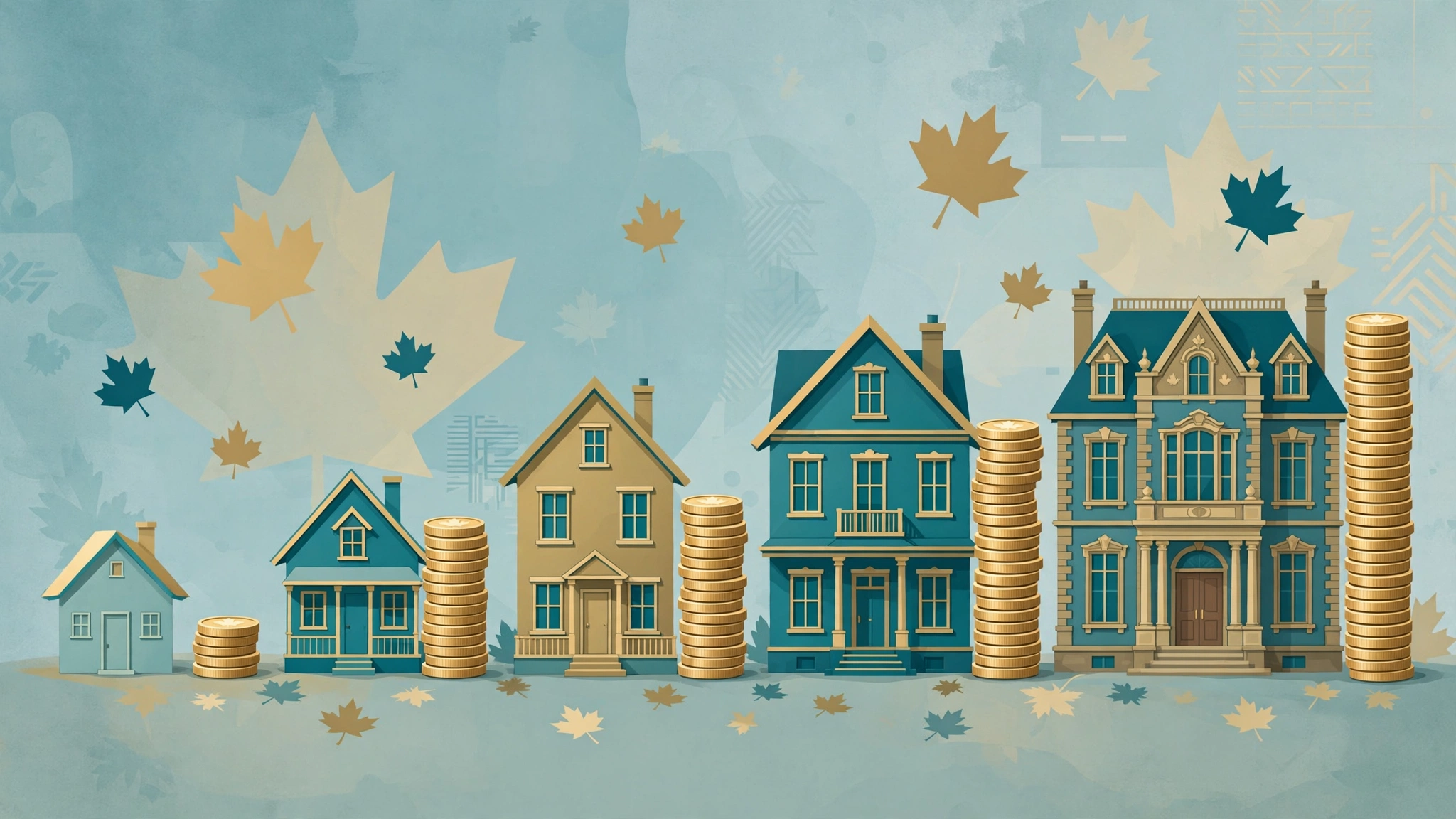
"Six figures" sounds like a single thing. It isn't. Run $100,000 through the 2026 tax brackets — federal plus provincial, minus CPP, EI and their Quebec equivalents — and take-home pay spreads across a $6,764 range. British Columbia keeps the most: $73,935. Nova Scotia keeps the least: $67,171. Ontario ($73,553), Alberta ($72,883) and Quebec ($68,119) fall in between. (Our calculation from CRA and provincial 2026 brackets; see the methodology note below the chart.)

The provincial gap is real, but it's not the main event. Nova Scotia's second-bracket rate hits 14.95 per cent where Alberta charges 10 — and Quebec layers the country's heaviest provincial income tax plus QPP and QPIP on top, partly offset by the 16.5 per cent federal abatement Quebecers receive. Alberta, despite the highest basic personal amount in the country ($22,769), lands mid-pack on take-home because its 8 to 10 per cent rates apply from the first dollar in a way BC's 5.6 per cent starter rate doesn't.
But taxes aren't what make the five lives different. Rent is. Subtract average asking rent for a two-bedroom — $3,030 a month in Vancouver, $2,650 in Toronto, $1,845 in Calgary (StatCan's Q2 2026 figures and August listing data) — and the ranking flips: Calgary keeps $50,743, Toronto $41,753, Montreal $41,011, Halifax $38,371, Vancouver $37,575. The rent gap between Calgary and Vancouver ($14,220 a year) is more than double the entire tax gap between the best and worst provinces.
Put it in housing terms: the GTA benchmark home price is $917,600 — a six-year low, down 28 per cent from the 2022 peak — while Metro Vancouver's is $1,075,900 and Calgary's is $566,700. The $100,000 earner is a comfortable professional in Calgary and a stretched renter in Vancouver. Same pay stub; different country, economically speaking.
Caveats, because honesty matters: these are asking rents on new listings, not what sitting tenants pay — rent control means many pay less. And take-home isn't the whole story: Quebec's higher taxes fund lower childcare costs, Alberta has no provincial sales tax, and costs like insurance and transit differ by city. The dollar figure isn't destiny; it's a starting point.
My take: we talk about salaries as if they're national, but purchasing power is provincial — and increasingly municipal. A $6,764 tax gap is bigger than most annual raises, yet it's the $14,220 rent gap that decides the life. Anyone comparing job offers across provinces who only looks at the salary number is doing the math wrong. Do the take-home. Then do the rent. Then decide.
Sources
- Fidelity (2026 federal tax brackets) · other
- Open Tax Calculator (2026 brackets) · other
- Savvy New Canadians (provincial rates) · other
- Wealth Professional (StatCan asking rents Q2 2026) · other
- Nesto (Calgary/Montreal rents Aug 2026) · other
- Burnaby House (TRREB Sept 2026) · other
- CREB (Calgary Sept 2026) · other
opinionincome taxsalarytake-home payrentaffordability
Newsletter
News. Context. What matters.
One essential briefing, written for people who would rather understand the story than scroll it.
Unsubscribe anytime. We don’t sell addresses.
Recommended
Money
The Bank of Canada decides in four hours. The market says hike — the economy says wait.
At 9:45 a.m. ET the Bank sets its policy rate and publishes new forecasts. Markets lean heavily toward a hike to 2.50%, but the case for holding at 2.25% is real — and a surprise either way moves mortgages, the loonie and December bets.

Money
Amex posted a record quarter — then announced it's cutting 3,500 jobs to get ready for AI
American Express reported record third-quarter revenue of $20.1 billion and raised its profit outlook, then told analysts it will cut about 5 per cent of its workforce in a $336-million restructuring its CFO says is meant "to prepare for AI."
Money
The Bank of Canada is now expected to hike rates on Oct. 28 — and hike again by spring
A Reuters poll of 34 economists finds 56% now expect a quarter-point hike to 2.50% next Wednesday, with another rise by end-March, after September's 3.1% inflation reading and sharply rising expectations.