World
Iran claims full Hormuz control as oil minister quits, rial crashes and tanker attacks continue
Tehran says the strait could reopen within seven days if its conditions are met, while Canadian diesel averages $2.61 a litre and analysts warn G7 stock releases will only briefly cool pump prices.
Published: October 5, 2026 · Updated: October 5, 2026 · 3 min read
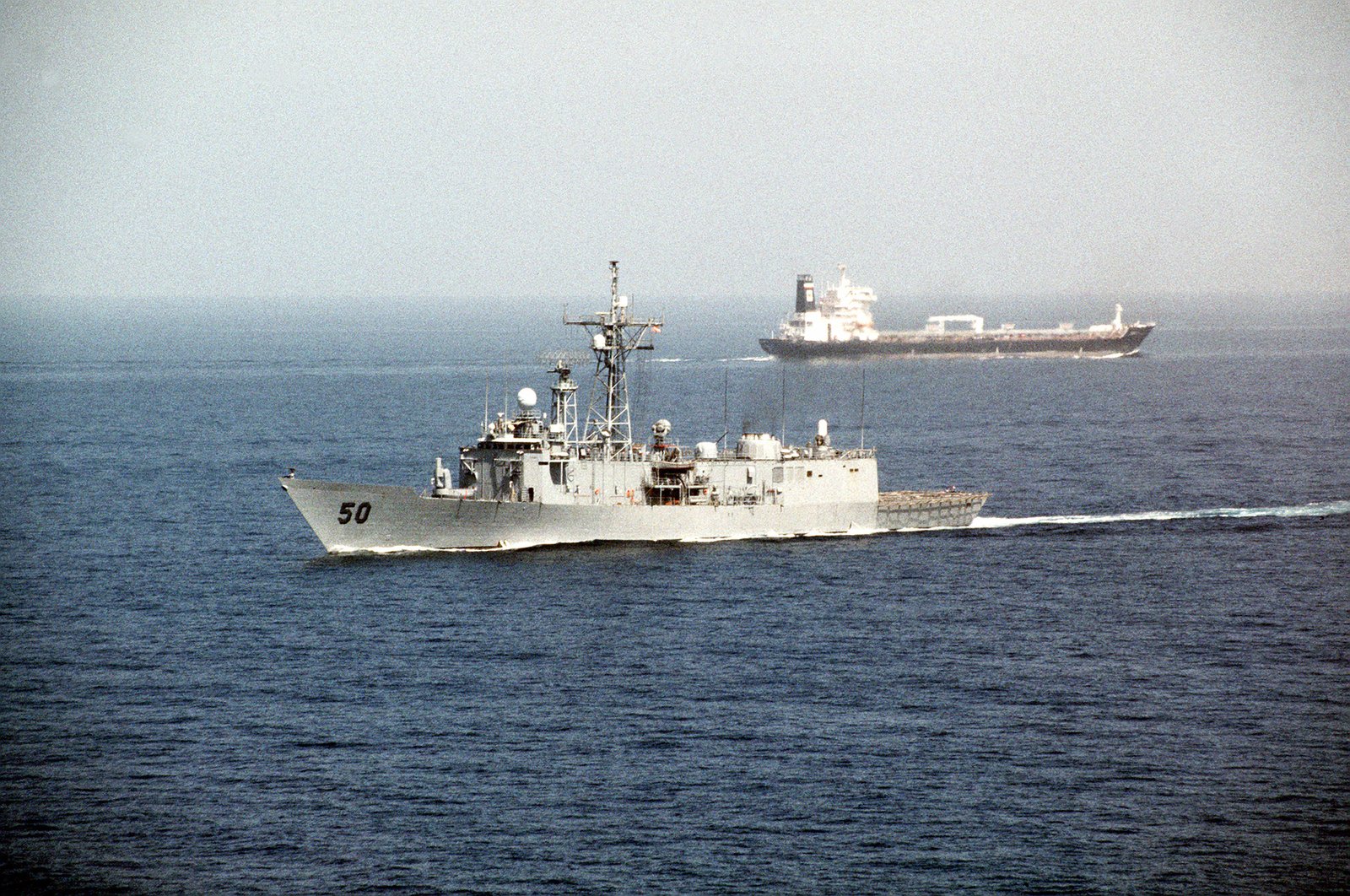
Iran’s military insisted Monday that it retains full control of the Strait of Hormuz even as its currency hit record lows, its oil minister resigned and maritime monitors reported daily attacks on shipping, Euronews reported. Brigadier General Aziz Jafari, commander of Iran’s Khatam al-Anbiya Joint Air Defence Headquarters, said “all movements” in the strait remain under the control of the Islamic Republic’s armed forces, rejecting the idea that shifting U.S. tactics had loosened Tehran’s grip on the chokepoint.
Foreign Minister Abbas Araghchi told foreign ambassadors in Tehran that the conflict has no military solution and that the waterway could be fully reopened within seven days if Tehran’s conditions are met and hostile measures lifted. Parliament speaker Mohammad Bagher Ghalibaf again said the strait will stay shut until Washington accepts Iran’s seven conditions based on the Islamabad memorandum, Euronews and CNBC reported. Those conditions include a halt to U.S. “acts of aggression,” an end to the naval blockade of Iranian ports and economic pressure, and the release of Iranian assets; a key U.S. demand has been that Iran dismantle its nuclear weapons program.
The United Kingdom Maritime Trade Operations agency has reported at least one attack a day in the Strait of Hormuz or the Gulf of Aden since Oct. 2. Over the weekend it logged a crude tanker struck by an unknown projectile about four nautical miles east of Oman and another hit inside the strait that damaged an engine room, CNBC said. Before the U.S.- and Israel-led war began on Feb. 28, roughly a fifth of the world’s oil supplies moved through the strait, making each incident a fresh jolt for insurance, routing and fuel markets.
Washington says the economic squeeze is biting. U.S. Treasury Secretary Scott Bessent wrote that Iran “did not load any crude oil onto tankers in September,” Euronews reported. Hours before Oil Minister Mohsen Paknejad’s resignation was attributed to “family and personal matters,” he said revenues from oil already sold would still be collected. On Iran’s informal market the euro broke above 300,000 tomans and the U.S. dollar hit about 270,000 tomans — roughly double its level at the start of the year — while President Masoud Pezeshkian had already acknowledged in August that “we used to sell oil; now we cannot sell it.”
Ship-tracking firm Kpler’s provisional data complicate any picture of a total freeze. Crude exports from the wider Middle East exceeded pre-war averages on several late-September days, rising to 19.5–22.5 million barrels per day, Al Jazeera reported, citing Reuters, against a pre-war regional average near 18 million. Senior IRGC commander Ali Fadavi dismissed traffic on the U.S.-supervised Hormuz route as only three to four million barrels per day and “negligible,” while claiming no U.S. warships remained in the Gulf, the Sea of Oman or the northern Indian Ocean.
Canadians feel the standoff at the pump even though Canada is a net crude exporter. Natural Resources Canada figures cited by The Hub put the national diesel average at $2.61 a litre, up from $1.52 in January, with gasoline at $1.83 versus $1.33. G7 leaders pledged Friday to release 100 million barrels of oil and refined fuel over four months through the International Energy Agency, with a front-loaded diesel tranche in the first 20 days. Canada, which has no strategic petroleum reserve, offered to stagger refinery maintenance so plants are not offline together, Energy Minister Tim Hodgson’s office indicated.
Dan McTeague of Canadians for Affordable Energy told CTV’s Your Morning that gasoline could still climb about 10 cents a litre by Thanksgiving on Oct. 12 and another 10 to 15 cents by late October, arguing the G7 release covers only about three days of the group’s consumption and will not fix a lasting supply lag, CP24 reported. Brent crude settled near US$102 a barrel Friday even after the stockpile announcement, CNBC said. Until Tehran’s conditions and Washington’s nuclear red lines move closer together, Hormuz risk — and Canadian pump prices tied to global benchmarks — look set to stay elevated.
Sources: Euronews; CNBC; Al Jazeera / Reuters; The Hub; CP24.
Sources
- Euronews · other
- CNBC · other
- Al Jazeera / Reuters · other
- The Hub · other
- CP24 · other
Newsletter
News. Context. What matters.
One essential briefing, written for people who would rather understand the story than scroll it.
Unsubscribe anytime. We don’t sell addresses.
Recommended
World
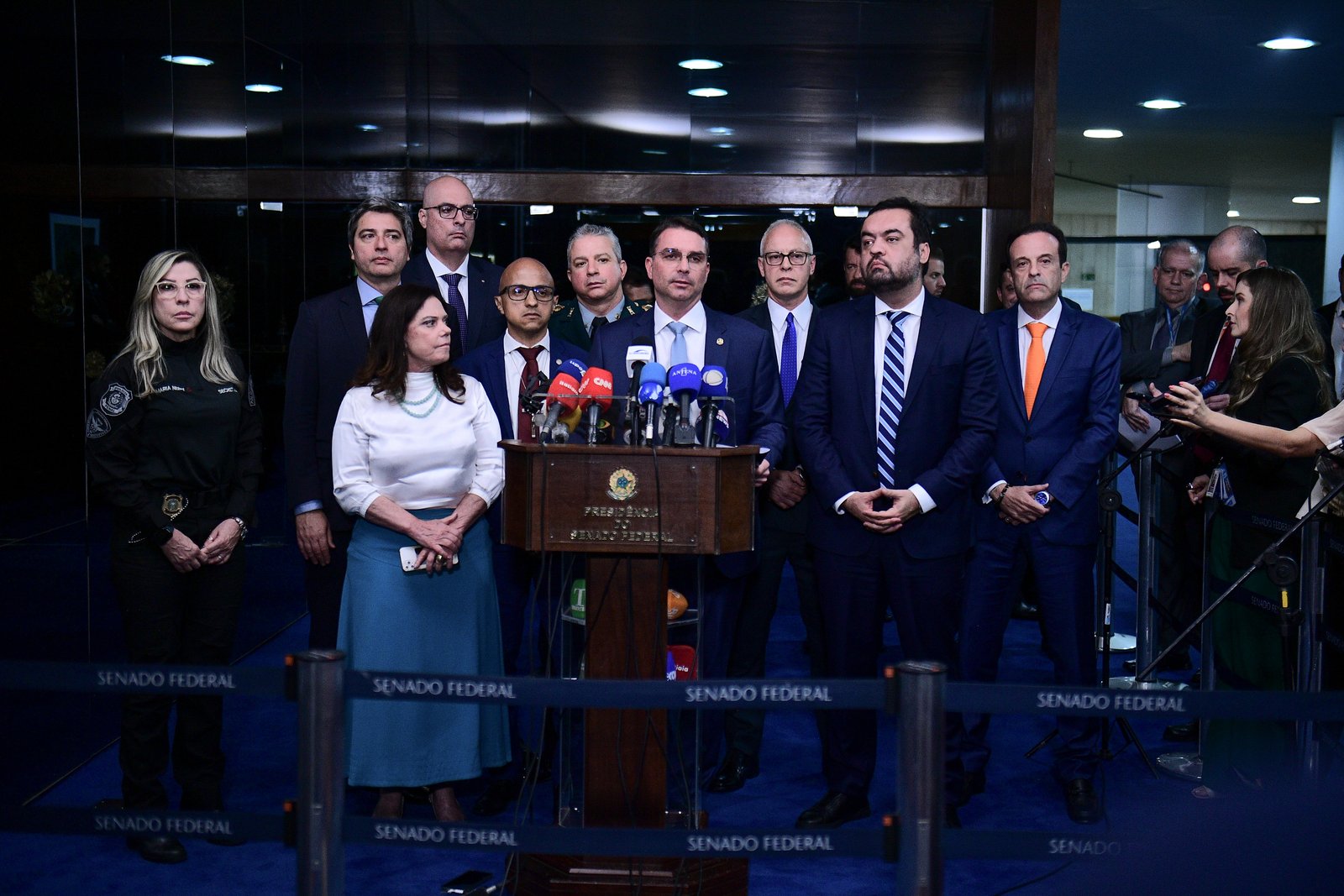
Flávio Bolsonaro edges Lula in Brazil’s first round, forcing an Oct. 25 runoff
The senator and eldest son of jailed ex-president Jair Bolsonaro took 47.03 per cent of valid votes to Lula’s 45.16 per cent, setting up a three-week scramble for moderate voters in Latin America’s largest economy.

World
Merz pledges €1B in new military aid in Kyiv as Zelenskyy says Ukraine is ready for U.S.-backed talks
Germany's chancellor also promised €350 million for energy repairs during a visit marked by Russian drone strikes, as Kyiv signalled openness to trilateral talks this month.
World
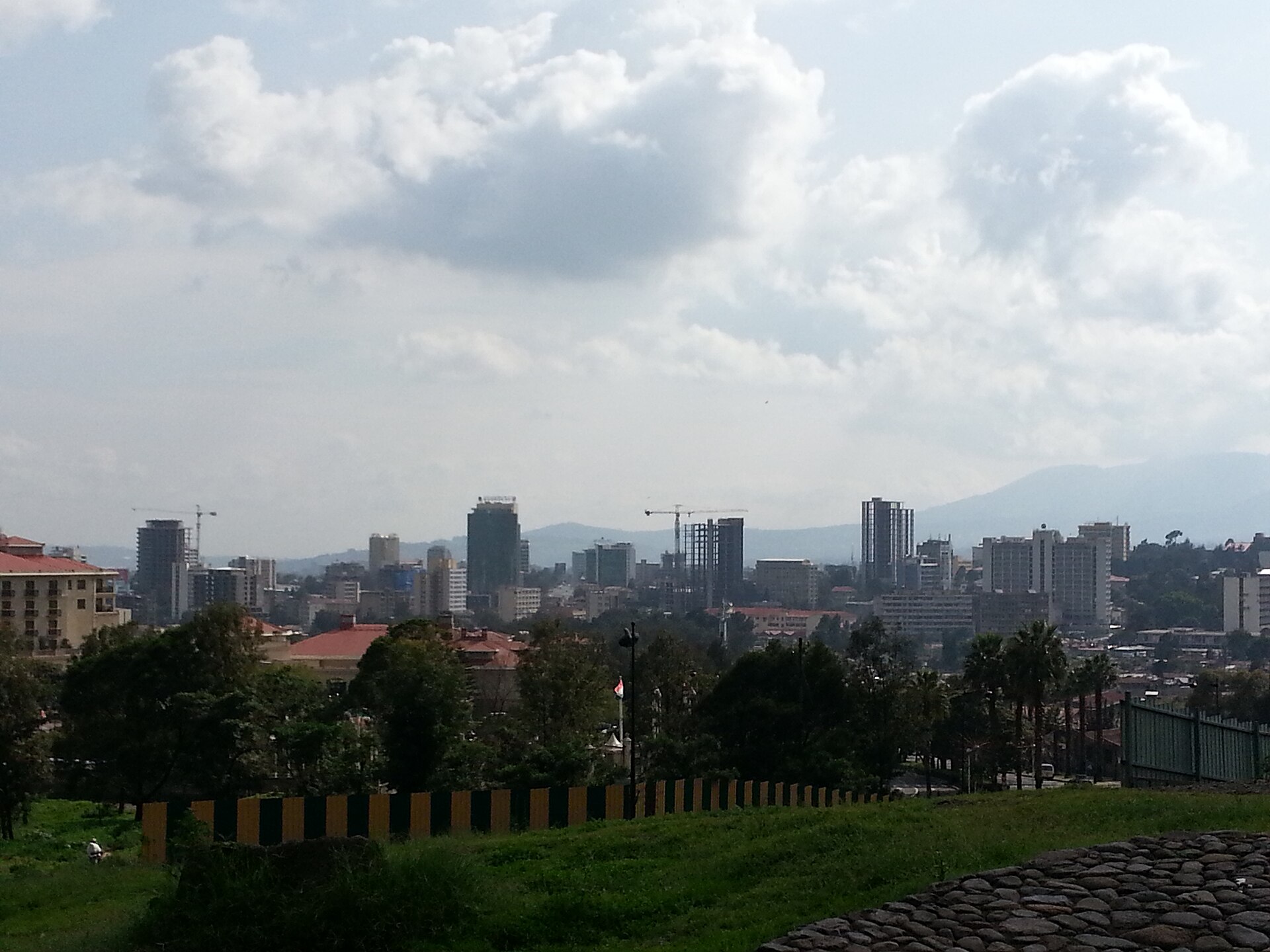
Ethiopian forces take Mekelle as TPLF withdraws and neighbours meet in Egypt
Federal troops and allies control Tigray’s capital after Saturday’s advance; Sisi hosts Eritrea, Somalia and Sudan amid proxy-war fears.