World
Flávio Bolsonaro edges Lula in Brazil’s first round, forcing an Oct. 25 runoff
The senator and eldest son of jailed ex-president Jair Bolsonaro took 47.03 per cent of valid votes to Lula’s 45.16 per cent, setting up a three-week scramble for moderate voters in Latin America’s largest economy.
Published: October 5, 2026 · Updated: October 5, 2026 · 3 min read
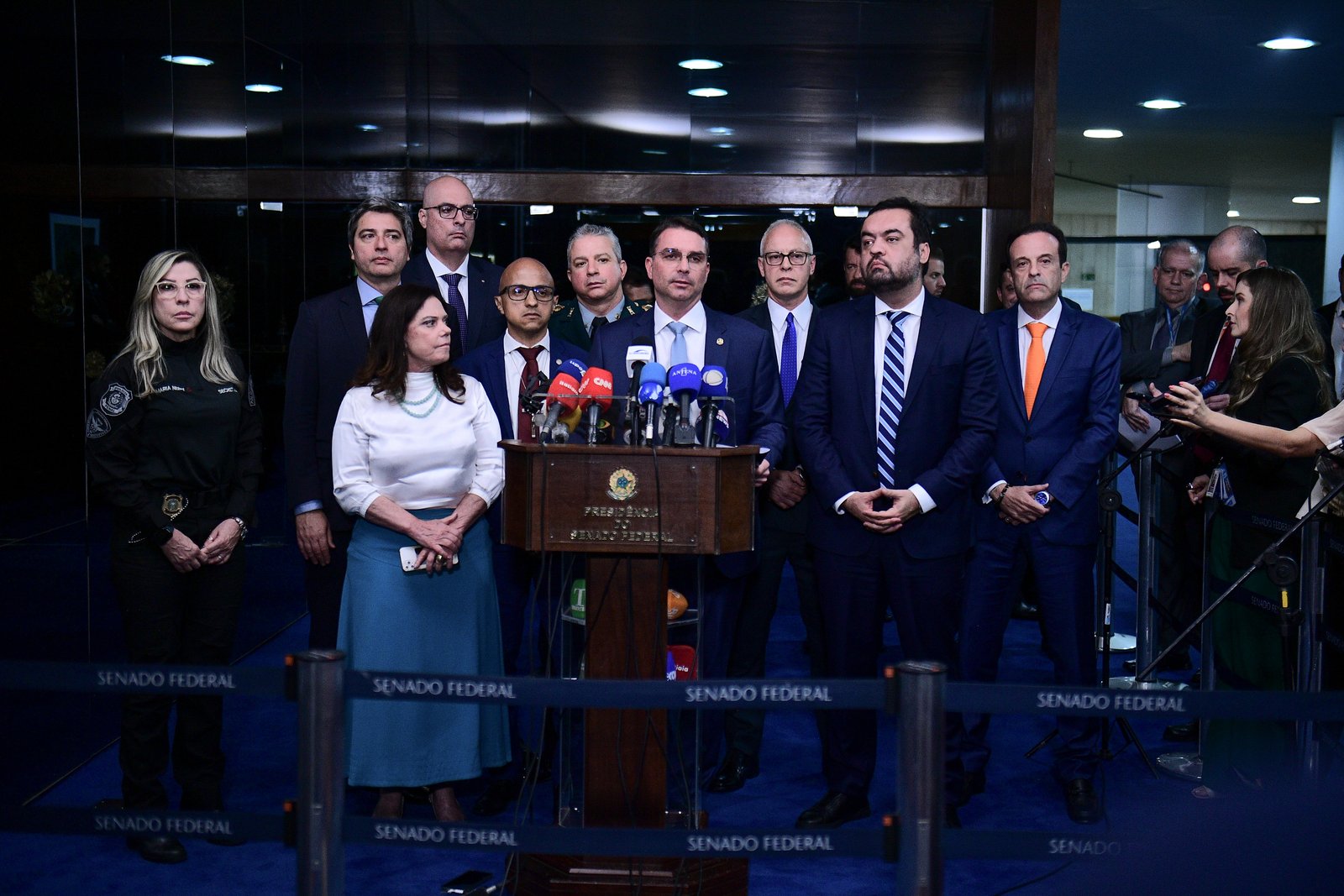
Brazil’s presidential election is headed to a runoff after Senator Flávio Bolsonaro finished ahead of President Luiz Inácio Lula da Silva in Sunday’s first round, a stronger result than campaign polls, which had Lula slightly ahead, had pointed to. With all ballots counted early Monday, Bolsonaro of the Liberal Party (PL) had 47.03 per cent of valid votes, or 56,104,503, against 45.16 per cent, or 53,879,538, for Lula of the Workers’ Party (PT), according to O Globo’s final tally of electoral-court data. Because neither candidate cleared the 50 per cent threshold, the two will meet again on Oct. 25, Agência Brasil reported.
The rest of the field was far behind. Augusto Cury of Avante placed third with 2.89 per cent, followed by Renan Santos with 2.24 per cent, Ronaldo Caiado with 2.18 per cent and Romeu Zema with 0.27 per cent, O Globo reported. Turnout also slipped: with 99.7 per cent of ballot boxes counted, 21.09 per cent of eligible voters had stayed away, the first time since 1998 that abstention in a presidential first round topped 21 per cent, the newspaper said.
Bolsonaro, 45, read the result as a mandate. “Brazil wants change,” he told reporters, adding that nearly 56 million Brazilians had cast “their vote of confidence in change” and promising a “modern government, with fewer ministries,” according to Agência Brasil. Lula, 80, conceded the outcome surprised him. “I’ll admit to you that I was convinced I was going to win the election in the first round,” he said in São Paulo, before declaring that a new campaign would start the next day.
Flávio Bolsonaro is the eldest son of former president Jair Bolsonaro, who is serving a 27-year prison sentence for masterminding a failed coup after losing the 2022 election, the BBC noted. The senator has pledged to grant amnesty to his father and to supporters convicted over the Jan. 8, 2023, riots in Brasília. The BBC said the second round now looks like his to lose, since several of the eliminated candidates were right-wing alternatives, and that the PL was also on track to win the most governors, senators and federal deputies. Michelle Bolsonaro, Jair Bolsonaro’s wife, was elected to the Senate.
Both finalists now have three weeks to court moderates. Caiado and Santos, two of the eliminated candidates, have previously said they will not endorse either candidate in the runoff, The Associated Press reported. The AP said a Bolsonaro victory would increase U.S. influence in Latin America, while a Lula win would keep Brazil at a distance from Washington as it deepens ties with China. The next presidential term begins Jan. 5, 2027.
The campaign has been fought over corruption, crime and the cost of living. A fraud scandal involving jailed banker Daniel Vorcaro reached across the political spectrum; Bolsonaro acknowledged asking Vorcaro to bankroll a biopic about his father after voice recordings surfaced, according to the BBC. Lula has made sovereignty a central theme and accused the Trump administration of trying to sway the vote through tariffs and sanctions, which Washington has denied. The president of Brazil’s Superior Electoral Court, Kassio Nunes Marques, said on voting day there was “no concrete indication of international interference.”
The outcome matters in Ottawa, too. Canada and the Mercosur trade bloc, which includes Brazil, relaunched free-trade negotiations in October 2025, and Canada’s merchandise trade with the bloc totalled $19.4 billion last year, including $5.1 billion in Canadian exports, according to Global Affairs Canada. In June, Lula’s government believed the talks had entered their final stage and expected to conclude them within six months, though market access for meat, dairy, poultry and eggs remained the main obstacles, Valor International reported. Whoever wins on Oct. 25 will lead the Brazilian side of any deal from January.
Neither candidate starts the runoff with an easy path. Roughly half of Brazilians disapprove of the Bolsonaro family and roughly half disapprove of Lula’s Workers’ Party, according to multiple polls cited by the AP. Four years ago, Lula beat Jair Bolsonaro by about 2.1 million votes, or less than two percentage points, the closest presidential result in Brazil’s history, according to the BBC. “I am very good in the knockout stage,” Lula said Sunday. “We will see who has the best plan.”
Sources: O Globo; Agência Brasil; BBC News; CBS News / The Associated Press; Global Affairs Canada; Valor International.
Sources
- O Globo · other
- Agência Brasil · other
- BBC News · other
- CBS News / The Associated Press · other
- Global Affairs Canada · other
- Valor International · other
Newsletter
News. Context. What matters.
One essential briefing, written for people who would rather understand the story than scroll it.
Unsubscribe anytime. We don’t sell addresses.
Recommended

World
Merz pledges €1B in new military aid in Kyiv as Zelenskyy says Ukraine is ready for U.S.-backed talks
Germany's chancellor also promised €350 million for energy repairs during a visit marked by Russian drone strikes, as Kyiv signalled openness to trilateral talks this month.
World
Ethiopian forces take Mekelle as TPLF withdraws and neighbours meet in Egypt
Federal troops and allies control Tigray’s capital after Saturday’s advance; Sisi hosts Eritrea, Somalia and Sudan amid proxy-war fears.
World
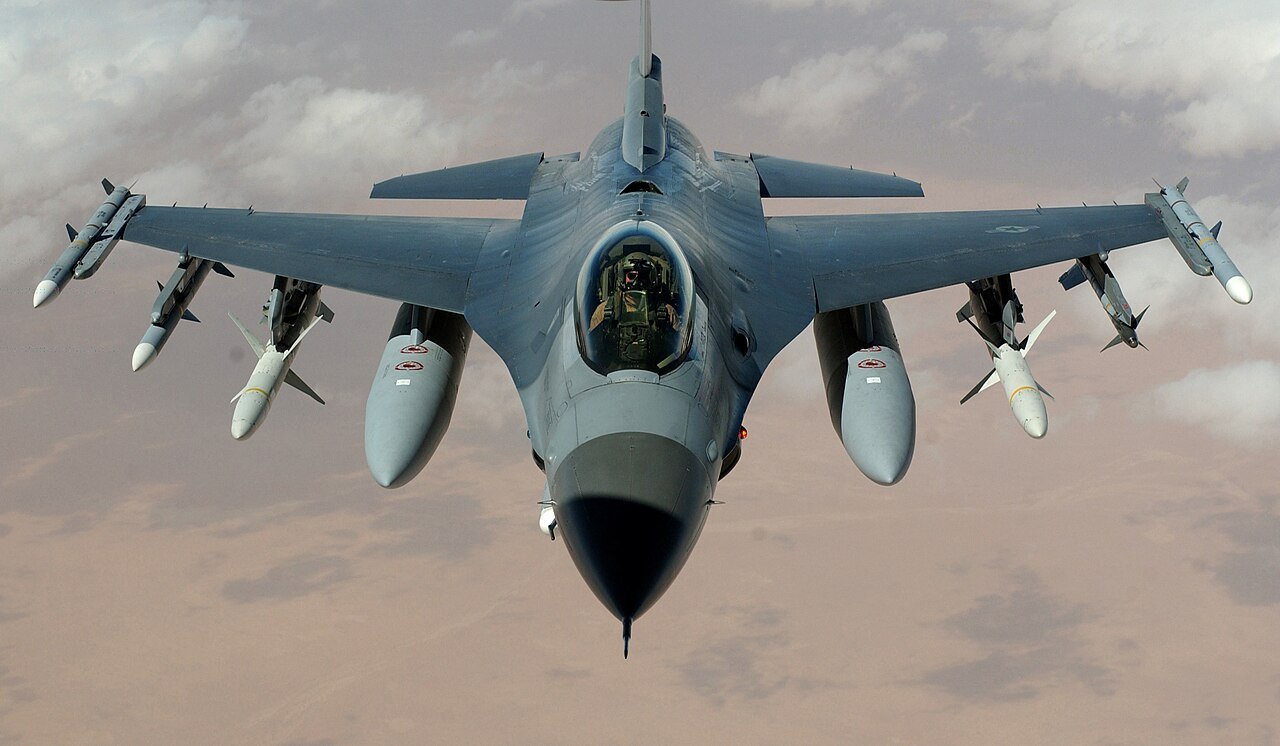
Taiwan receives first two U.S. F-16V jets after delays as China threat looms
The opening pair of a 66-jet, US$8-billion Lockheed Martin deal land at Taitung’s Chihhang Air Base a week after Trump met Xi.