Politics
Study warns Ottawa to keep ‘eyes wide open’ before launching a foreign spy service
Former intelligence officials say Canada must define a vital need only espionage can meet — and that analysis capacity may pay off more than a new collection agency.
Published: October 4, 2026 · Updated: October 4, 2026 · 2 min read
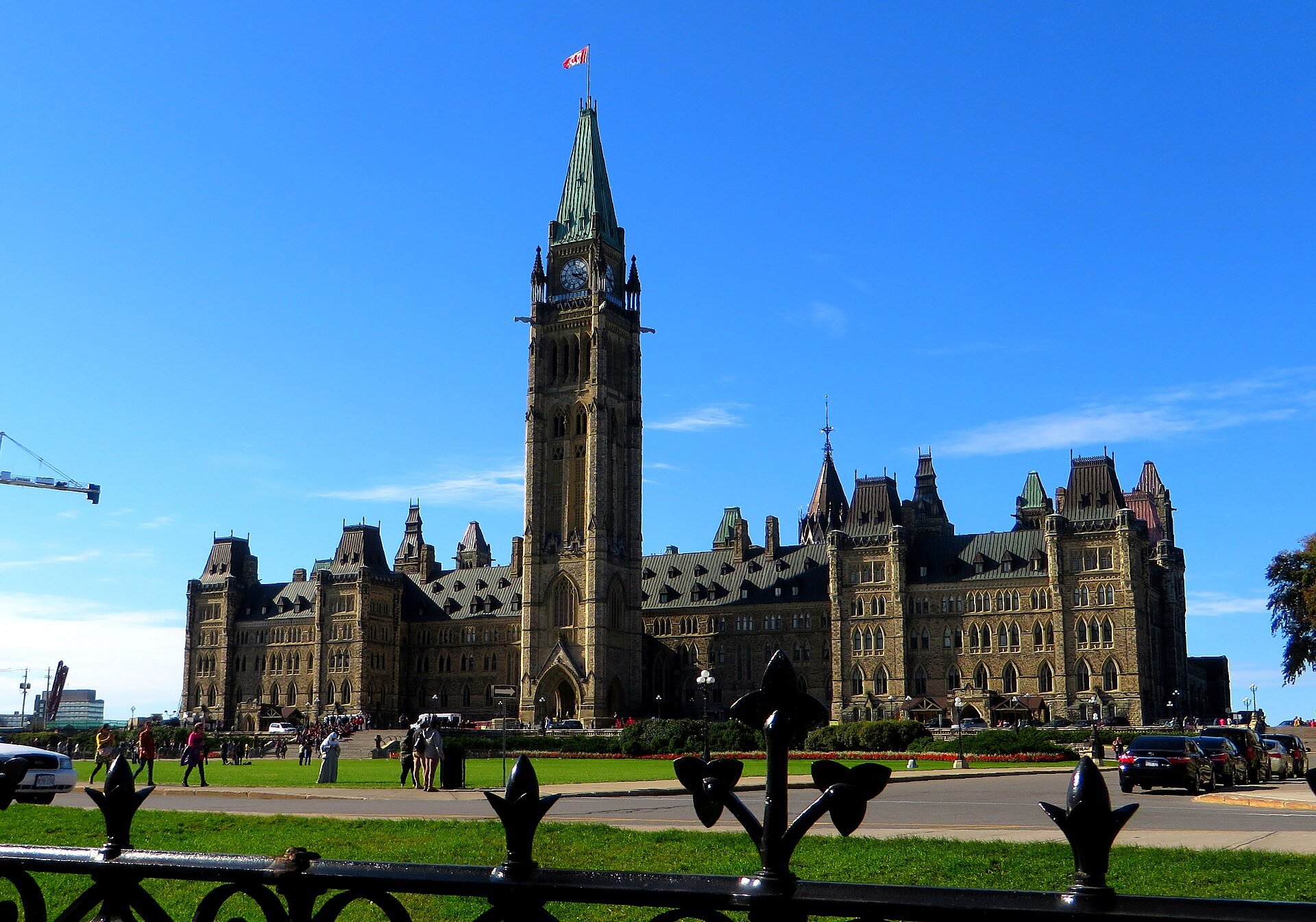
Canada should create a foreign human-intelligence service only if politicians understand what espionage actually costs — and only if they can name a vital secret that cannot be obtained any other way, a new study by two former Canadian intelligence officials argues.
The Canadian Press report published Sunday, carried by Global News, CityNews and the Brandon Sun, summarises a Policy Insights Forum paper by Alan Barnes and Geoff St. John. Barnes spent more than 25 years as an analyst and manager in the Canadian intelligence community and is a senior fellow at Carleton’s Norman Paterson School of International Affairs; St. John, a retired Canadian Forces Intelligence Branch member, directs national security studies at the Forum, the research wing of lobbying firm Samuel Associates.
Their central warning is cultural as much as organisational: “Virtually no Canadian knows how espionage is actually done,” they write, dismissing James Bond fantasies as “pure junk” and stressing that officers rarely infiltrate meetings themselves — they recruit insiders who already have access. Canada already collects abroad through the Communications Security Establishment’s signals work, Global Affairs diplomatic reporting and military defence intelligence. CSIS may gather foreign intelligence about threats, but only inside Canada for classic foreign-intelligence subjects — not overseas human espionage on the MI6 or CIA model.
Timing matters. Ottawa is preparing a long-awaited national security strategy update while the National Security and Intelligence Committee of Parliamentarians examines foreign intelligence gathering. Barnes told CP that the “opportunity cost” of a new agency needs hard scrutiny, arguing investments in neglected intelligence analysis “would likely have a bigger payoff” for an independent Canadian view of world events than collecting more secrets at high risk. St. John said Ottawa should launch a service only if it intends it to be highly effective: “An ineffective agency would be an embarrassment to Canada and an expensive white elephant.”
The paper also catalogues blowback risks — diplomatic expulsions, retaliation against Canadian citizens branded as spies, and the certainty that some agents will eventually be caught, facing prison or worse. A Canadian service, the authors estimate, might produce only several hundred reports a year on narrow priorities and could never replace the flood of allied raw reporting. Related Policy Insights Forum commentary has long framed the choice as one of grit and clear priorities, not vanity branding. For MPs debating whether Canada finally needs “its own CIA,” Sunday’s study is less a green light than a demand to start with the requirement, not the romance.
Sources: Global News / Canadian Press; CityNews / Canadian Press; Brandon Sun / Canadian Press; Policy Insights Forum.
Sources
- Global News · other
- CityNews / Canadian Press · other
- Brandon Sun / Canadian Press · other
- Policy Insights Forum · other
Newsletter
News. Context. What matters.
One essential briefing, written for people who would rather understand the story than scroll it.
Unsubscribe anytime. We don’t sell addresses.
Recommended
Politics
Thunder Bay labour rally warns Bill C-39 still lets Ottawa end strikes
Unions picket Patty Hajdu’s office over Section 107 “national interest” powers; the minister’s office says new guardrails raise the bar, not lower it.
Politics
Léger poll puts PQ on track for power as Milliard makes referendum the ballot question
With two days to Monday’s Quebec vote, the Parti Québécois leads at 29% while Liberals warn a St-Pierre Plamondon win would reopen the sovereignty fight.

Politics
Netanyahu again overflies Canada despite ICC arrest warrant Ottawa pledged to enforce
CBC flight tracking shows the Israeli prime minister’s jet crossed Labrador and Quebec en route to the UN; international-law scholars say Rome Statute duties reach airspace.