Politics
Poilievre takes his tariff-free auto pact to GM, Ford and Michigan union workers as the U.S. duty threatens to double
The Conservative leader crossed from Windsor into Detroit on Tuesday and rejected suggestions that the visit, weeks before the Nov. 3 U.S. midterms, amounts to meddling.
Published: October 14, 2026 · Updated: October 14, 2026 · 3 min read
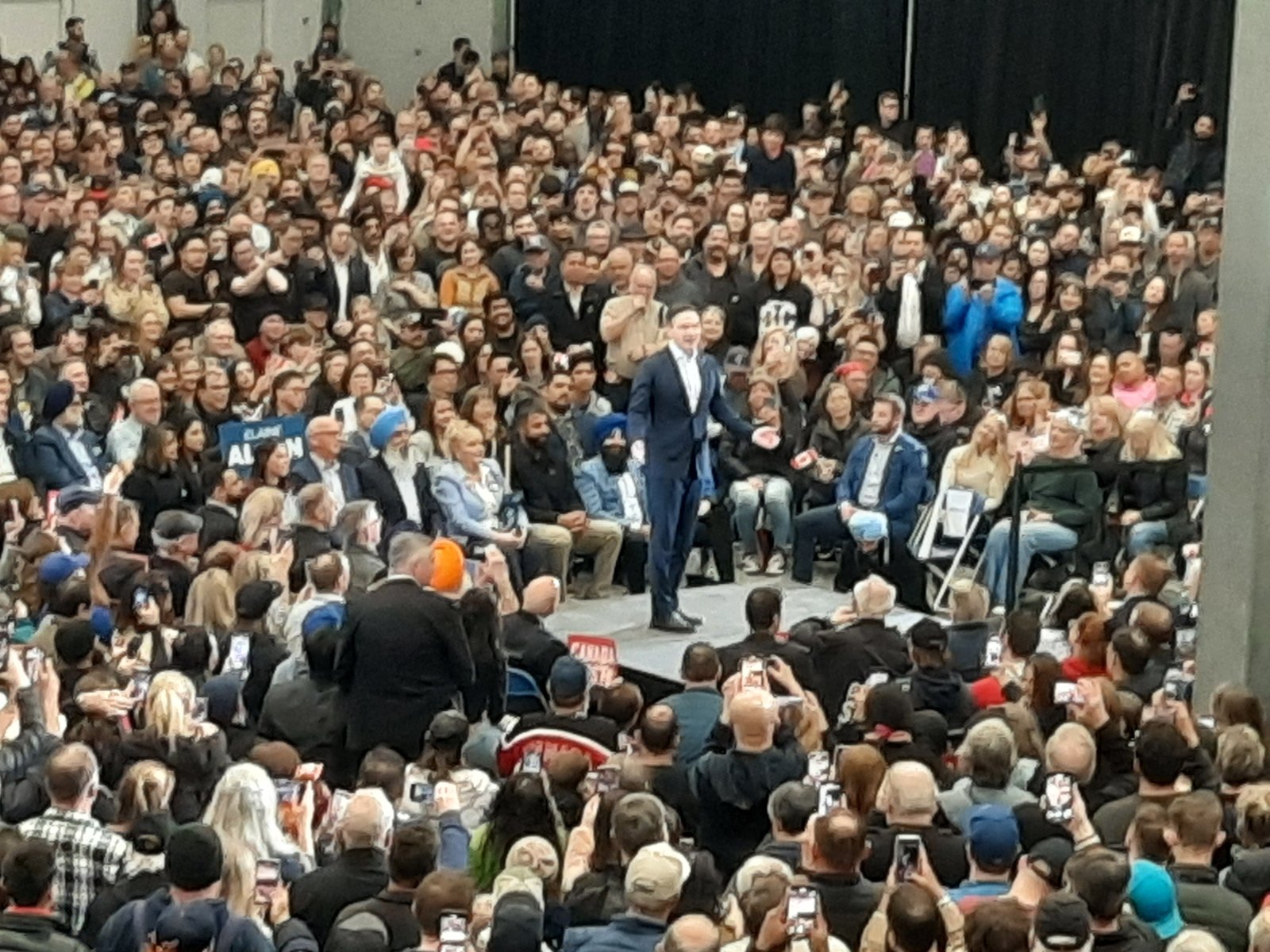
WINDSOR, Ont. — Conservative Leader Pierre Poilievre crossed into Detroit on Tuesday to make the case for tariff-free trade in the auto sector directly to American automakers and workers, as U.S. President Donald Trump threatens to raise the 25 per cent U.S. tariff on Canadian vehicles to 50 per cent on Jan. 1, The Canadian Press reported.
At a news conference on Windsor’s riverfront before crossing, Poilievre said he planned to meet representatives of a General Motors plant in Detroit, officials at the Ford Rouge Complex in Dearborn, Mich., and members of the International Brotherhood of Electrical Workers. He arrived at Dieppe Gardens in a Windsor-built Chrysler Pacifica, and Conservative MPs Kathy Borrelli, Chris Lewis, Harb Gill and David Epp were to join him, Windsor News Today reported.
Poilievre said the outlook has darkened since a similar trip in March. “The situation is much more dire. Back in March we thought we were going to imminently have a deal. Since that time, there has been no deal,” he said. “Those threats are already paralyzing investments on the Canadian side of the border.”
His proposed auto pact would tie each automaker’s duty-free access to the value of the vehicles it builds in each country. “The more an automaker makes in Canada, the more it could sell in Canada. The more it makes in the U.S., the more it could sell in the U.S.,” he said, according to CBC News. He said Canadian output could grow by 500,000 to 800,000 vehicles over 10 years under that rule, and that with other measures national production could reach about two million vehicles, up from roughly 1.2 million now.
Those other measures include removing the GST from Canadian-made vehicles, which Poilievre said would cut their price by five per cent and spur 30,000 more vehicles, as well as dropping electric-vehicle purchase subsidies and what he called the “backdoor” EV mandate. He also proposed banning vehicles that contain Chinese- and Russian-connected software, and said Canada should fold energy, minerals and tariff-free trade into a single deal with Washington.
Poilievre blamed the trade war for falling production on both sides of the border. “The story is not rosy there either and that is because of this ridiculous trade war that is only helping China and other overseas competitors,” he said. The dispute has become a major issue in Michigan’s midterm races: Republican Senate candidate Mike Rogers, who previously backed Donald Trump’s tariffs, released a video saying “Canada is not our enemy” and said in a debate with Democrat Abdul El-Sayed that current tariffs are too high, CP reported.
Asked about Trump adviser Peter Navarro’s warning that Canada would pay a price for any interference in the Nov. 3 midterms, Poilievre said he did not see the trip as meddling. “I think we’re going there to fight for tariff-free trade on both sides of the border and Americans want lower prices and more jobs and we’re offering a plan for them to have both,” he said. He said Conservatives would criticize the Carney government at home but back it on the U.S. side of the border, “putting country ahead of party.”
The backdrop is a long breakdown in formal talks. Trump ended trade talks with Canada last year after Ontario aired a World Series ad using clips of Ronald Reagan criticizing tariffs, and in August Prime Minister Mark Carney ordered Canada’s negotiators to call off talks, accusing U.S. officials of unreasonable demands, CP reported. The Hub noted that as Opposition leader, Poilievre does not negotiate for Canada, and cited University of Calgary analyst Alex Giordano’s argument that “if Ottawa wants influence in Washington, it must first build influence outside Washington.”
Sources: The Canadian Press via CityNews (Oct. 13, 2026); CBC News (Oct. 13, 2026); Windsor News Today (Oct. 13, 2026); The Hub (Oct. 14, 2026).
Sources
- The Canadian Press via CityNews · news
- CBC News · news
- Windsor News Today · news
- The Hub · news
Newsletter
News. Context. What matters.
One essential briefing, written for people who would rather understand the story than scroll it.
Unsubscribe anytime. We don’t sell addresses.
Recommended

Politics
Ottawa quietly froze a 16-helicopter Black Hawk buy for special forces as U.S. trade talks loomed, sources say
The UH-60M purchase had cleared the U.S. State Department and was headed to Congress when the Carney government hit pause, leaving commandos flying 30-year-old Griffons while officials weigh other options.

Politics
Eby defends his family’s $10-a-day child-care spot as B.C. Conservatives call it a scarce perk for a high-income household
The NDP leader says his child was already at a YMCA centre when it joined the program and that the family donated the fee difference; Conservatives say scarce spaces are going to people who do not need them.
Politics
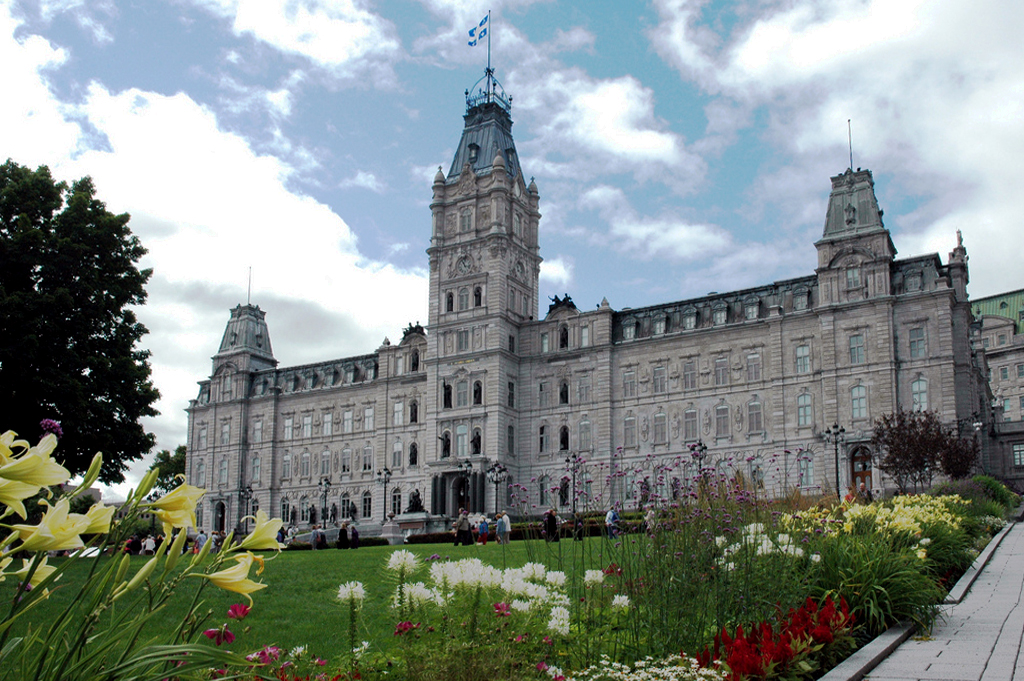
Quebec premier-designate St-Pierre Plamondon meets Fréchette on economy and Churchill Falls as PQ prepares to take power
The Parti Québécois leader and the outgoing Coalition Avenir Québec premier held a nearly 50-minute handover meeting in Quebec City; PQ MNAs are to be sworn in Thursday and cabinet on Oct. 21.