Politics
Ottawa will indefinitely exclude mental illness as a sole condition for MAID and open the door to advance requests, Fraser says
Legislation promised for this fall would cancel the expansion of medical assistance in dying set for March 2027, as a parliamentary committee recommended in June. The justice minister made the announcement hours before MPs were set to vote on a Conservative bill the government opposes.
Published: October 7, 2026 · Updated: October 7, 2026 · 4 min read
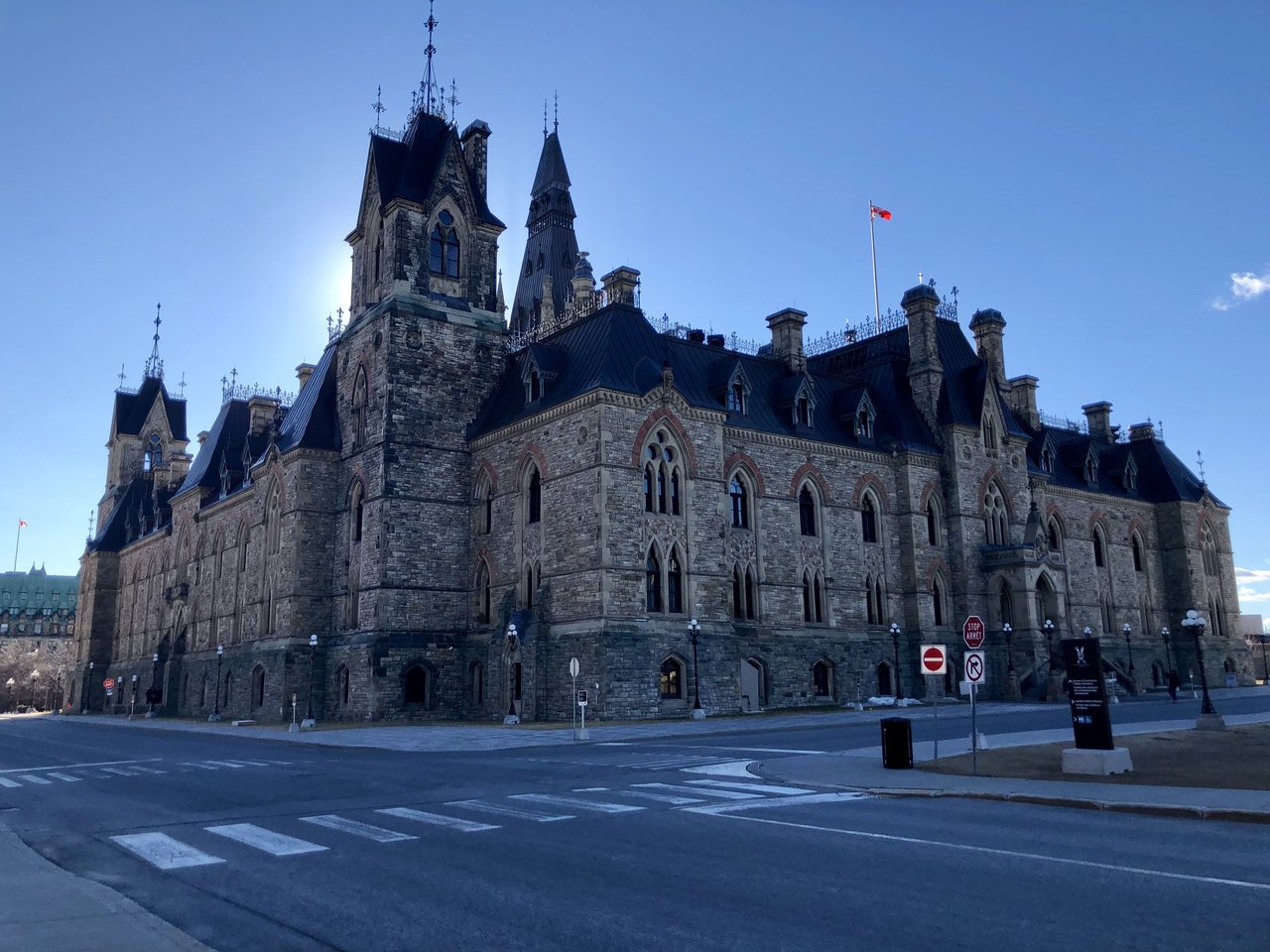
The federal government will introduce legislation this fall to indefinitely extend the ban on medically assisted death for people whose sole underlying condition is a mental illness, Justice Minister Sean Fraser said Wednesday, CBC News reported. “Canada has made a decision not to move forward with the expansion that is scheduled in the Criminal Code of medical assistance in dying in circumstances where mental illness is the sole basis,” he said in the foyer of the House of Commons. The announcement means people whose only condition is a mental illness will not be able to seek assisted dying in March 2027 as previously planned, the BBC reported.
“While there is not a perfect consensus on this issue, we believe this is the correct approach at this particular time,” Fraser said. He told reporters there are “very real concerns about people who live in communities with inadequate access to mental health services,” and pointed to the lack of consensus over when a mental illness is incurable. “When I hear that there is a lack of consensus in the medical community about the irremediable nature of certain mental illnesses, that gives me real cause for concern,” he said, according to the BBC.
The bill will also “open the door” for people to give advance consent to a medically assisted death when the illness they have will eventually eliminate their capacity to make that decision, Fraser said. Details are to be worked out in House of Commons committees, but the illness would have to be incurable and result in intolerable suffering, CBC reported. The final decision on advance requests would rest with each province, according to the BBC; they are not currently legal under federal law but are allowed in Quebec. iPolitics reported that the bill would require health practitioners to respect advance directives in provinces where they are permitted. Fraser gave no date for tabling the bill, saying only that it would come later in the fall sitting.
The decision follows a June report from the Special Joint Committee on Medical Assistance in Dying, which recommended that the government “amend the Criminal Code to indefinitely exclude persons whose sole underlying medical condition is a mental illness from eligibility for medical assistance in dying,” The Globe and Mail reported at the time. The 88-page report cited a “pressing need for increased and more equitable access to adequate mental health services,” CBC said. The recommendation was not unanimous: four senators issued a dissenting report calling the committee process “fundamentally flawed, highly irregular, biased, and lacking the evidentiary rigour required” to inform policy, and the Bloc Québécois also disagreed with the majority.
Fraser said he was announcing the plan before the legislation was ready partly to explain why the government would not support Bill C-218, a private member’s bill from Conservative MP Tamara Jansen that was headed for a second-reading vote Wednesday afternoon. The bill would amend the Criminal Code to state that “mental disorder is not a grievous and irremediable medical condition for which a person could receive medical assistance in dying,” iPolitics noted. Fraser said the term “mental disorders” could be read to include neurologically degenerative diseases such as Alzheimer’s or Parkinson’s, whose patients can now receive MAID, and that the bill does not address advance consent. Cabinet ministers are expected to follow the government’s position, but the vote is free for Liberal backbenchers, iPolitics reported.
Jansen accused the minister of playing games hours before the vote. “We have no idea what his bill's going to say. He's telling us all sorts of things, he hasn't even seen the bill himself,” she said. “I find it incredibly negligent. He had the entire summer to put this together.” She urged Liberal MPs to back her bill regardless and said the Conservatives are open to changing its wording to get it passed.
Advocates for access are also unhappy, and the issue is already before the courts. Dying with Dignity is challenging the government’s restriction in court, and Fraser acknowledged the government may lose that case but said that could not be an excuse for failing to act. “There was a significant canvassing of opinions… and we felt confident that we were in a position to make a decision without simply kicking the can down the road,” he said. Michael Fenrick, the lawyer for Claire Brosseau, a woman with treatment-resistant bipolar 1 disorder who is part of a federal case challenging the law, called the decision “deeply disappointing.” “People will continue to suffer intolerably while the case goes through the courts,” he told the BBC.
Parliament first legalized MAID in 2016. The Superior Court of Quebec struck the law down in 2019 because it was limited to people whose deaths were “reasonably foreseeable.” Bill C-7, passed in March 2021, removed that requirement and temporarily pushed back access for cases involving only mental illness to March 2023. That date was later delayed to 2024 and again to March 2027. Anyone in Canada who is struggling can call or text 988, the Suicide Crisis Helpline.
Sources: CBC News (Oct. 7, 2026); iPolitics (Oct. 7, 2026); iPolitics morning briefing (Oct. 7, 2026); BBC News; The Globe and Mail (June 2026); CBC News (June 2026).
Sources
Newsletter
News. Context. What matters.
One essential briefing, written for people who would rather understand the story than scroll it.
Unsubscribe anytime. We don’t sell addresses.
Recommended

Politics
Meeting NATO’s five per cent pledge would push Canada’s core defence spending to $163.6 billion a year by 2035, budget officer says
A new Parliamentary Budget Officer primer says the extra military spending would add $63.7 billion to the 2035-36 deficit, and warns that the timing of the ramp-up, Ottawa’s procurement record and industrial capacity are the big unknowns.
Politics
Thousands of Alberta mail-in referendum ballots at risk over ID and declaration errors as deadline nears
Elections Alberta says more than 3,000 voters must resend a declaration form or ID copy by email or have their special ballots rejected. Completed packages must arrive by 5 p.m. on Oct. 16, three days before the vote.
Politics
B.C. Conservatives would scrap ICBC’s no-fault insurance, leaked letter shows, as Eby cries ‘secret deal’
Interim leader Lorne Doerkson told lawyers and insurers that a Conservative government would restore crash victims’ right to sue within a year and that private competition is on the table. The NDP and the union for ICBC workers say rates would double.