Politics
Meeting NATO’s five per cent pledge would push Canada’s core defence spending to $163.6 billion a year by 2035, budget officer says
A new Parliamentary Budget Officer primer says the extra military spending would add $63.7 billion to the 2035-36 deficit, and warns that the timing of the ramp-up, Ottawa’s procurement record and industrial capacity are the big unknowns.
Published: October 7, 2026 · Updated: October 7, 2026 · 4 min read
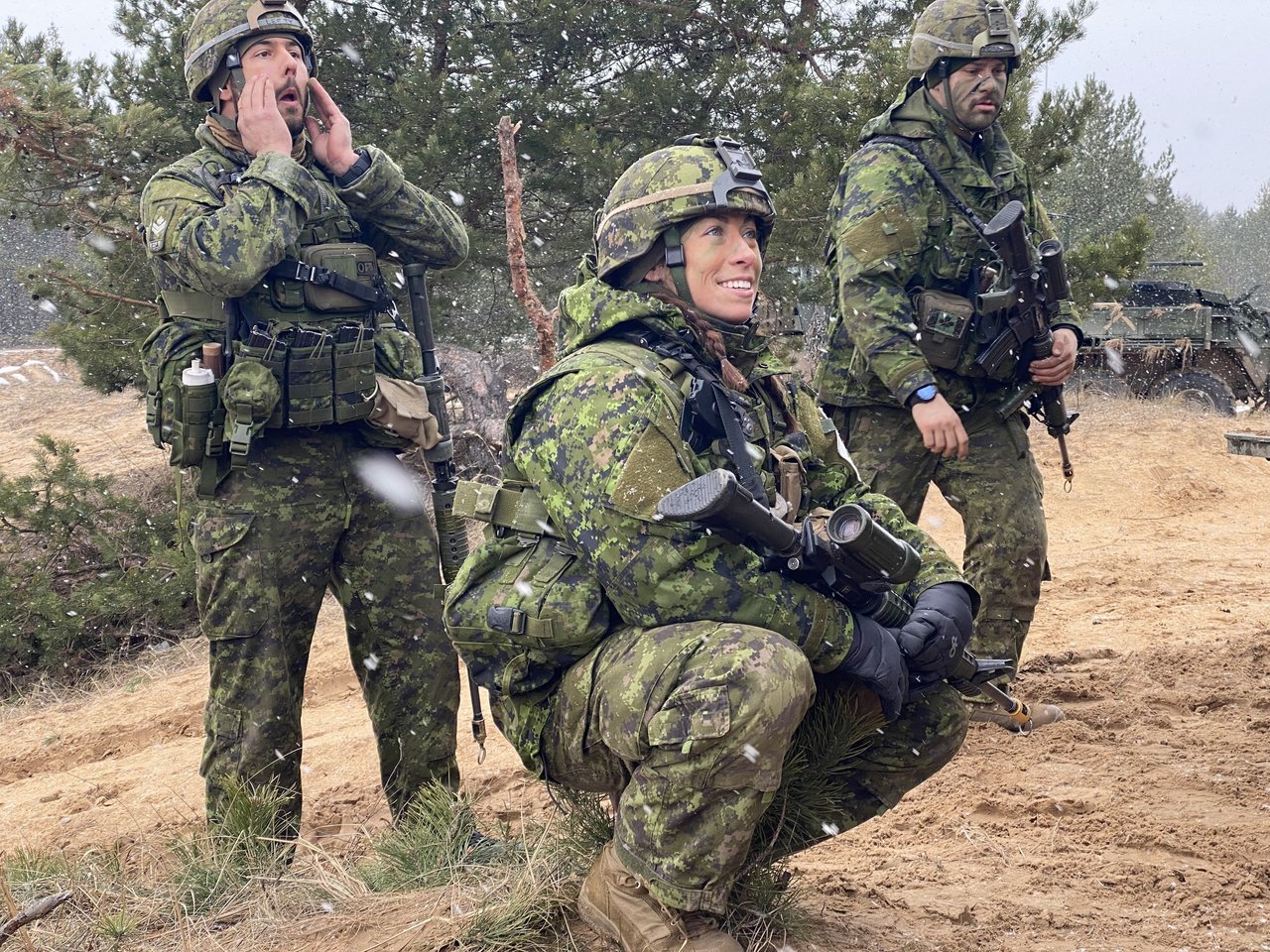
Canada’s spending on its armed forces would have to climb to $163.6 billion a year by 2035-36 to meet the core part of the NATO pledge Ottawa made last year, according to a primer on defence spending commitments published Tuesday by the Office of the Parliamentary Budget Officer. That is $70.1 billion more than if core defence spending stayed at two per cent of GDP, and the PBO said the gap has not yet been reflected in the fiscal projections of recent budget documents.
Under the commitment made at the 2025 NATO summit in The Hague, allies agreed to devote five per cent of GDP a year to defence by 2035: at least 3.5 per cent on core military spending and up to 1.5 per cent on ancillary security spending such as protecting critical infrastructure, civil preparedness and the defence industrial base. Canada has set an intermediate goal of four per cent in 2030, which the PBO says means lifting core spending from about two per cent of GDP today to 2.5 per cent in 2030 and 3.5 per cent in 2035. Budget 2025 says planned spending by all levels of government should already cover the ancillary portion.
The hit to the federal books is smaller than the cash figure but still large. Because Ottawa uses accrual accounting rather than NATO’s cash-based measure, the impact “would increase the budgetary deficit by $63.7 billion, or 1.4 per cent of GDP” in 2035-36, the PBO said, as CBC News reported; the primer adds that federal debt would be 5.7 percentage points of GDP higher. Parliamentary Budget Officer Annette Ryan told MPs this week that the gap between the cash and accrual impacts could exceed 30 per cent a year during the rapid build-up, so borrowing needs could run 30 per cent higher than the deficits record, according to the National Post.
Timing matters as much as the total. The primer sketches two illustrative routes from 2.5 per cent of GDP in 2030-31 to the 3.5 per cent target. On a gradual path, annual core spending rises from $95.7 billion in 2030-31 to $163.6 billion in 2035-36, with the largest single-year increase about $15.2 billion. On a back-loaded path, spending reaches only $124.1 billion by 2034-35, leaving a jump of roughly $39.6 billion in the final year. The PBO stressed that both are scenarios, not forecasts.
Ryan, who became budget officer in the spring, told the Commons defence committee on Monday that the plan to reach the target after 2030 is still a work in progress. “This is a very rapid increase,” she said in French, according to CBC. “I think that Canada’s industrial capacity may not be able to meet the need, which is a risk.… And we might ask, what are we getting back from all of these industrial and technological purchases? That’s another source of risk.” She also said the government’s plans for the next five to 10 years “are still in formation,” the National Post reported.
The PBO’s own record-keeping shows why execution is in question. From 2017-18 to 2023-24, the Department of National Defence fell a cumulative $18.5 billion short of the capital spending it originally projected under the previous defence policy. The trend has improved: spending under DND’s capital vote rose from $4.9 billion in 2022-23 to $8.8 billion in 2024-25, while lapsed funds fell from about $1.0 billion to $0.2 billion. The primer says that ramp-up will need to continue “on a much larger scale.”
Ottawa is betting much of the money can be spent at home. Its Defence Industrial Strategy, released in February, aims to award 70 per cent of defence acquisitions to Canadian firms, raise defence exports by 50 per cent and create 125,000 jobs, and projects $125 billion in downstream economic activity by 2035, the PBO noted. Budget 2025 set aside $6.6 billion over five years for the strategy, though the PBO said the government has not provided a complete public reconciliation of that envelope. The primer also recalls that in 2024 the Auditor General found Innovation, Science and Economic Development Canada could not show that its Industrial and Technological Benefits policy, which requires contractors to do business in Canada equal to their contract value, was meeting its objectives.
The numbers landed as MPs sparred over detail. At the committee, Liberal MP Tim Watchorn listed recent announcements including the Canadian Patrol Submarine Project, Arctic over-the-horizon radar, armoured combat support vehicles and new rifles for the Canadian Armed Forces, while Conservative members said most lack cost breakdowns and together still do not get Canada to its NATO targets, the National Post reported. Finance Minister François-Philippe Champagne said more details on defence spending plans are coming but gave no timeline. Prime Minister Mark Carney last year ordered more than $9 billion in extra defence spending for 2025-26 so Canada would reach the old two per cent benchmark, the PBO said.
Sources: Office of the Parliamentary Budget Officer, Canada’s Defence Spending Commitments: A Primer (Oct. 6, 2026); CBC News; National Post.
Sources
- Office of the Parliamentary Budget Officer · government
- CBC News · news
- National Post · news
Newsletter
News. Context. What matters.
One essential briefing, written for people who would rather understand the story than scroll it.
Unsubscribe anytime. We don’t sell addresses.
Recommended
Politics
Thousands of Alberta mail-in referendum ballots at risk over ID and declaration errors as deadline nears
Elections Alberta says more than 3,000 voters must resend a declaration form or ID copy by email or have their special ballots rejected. Completed packages must arrive by 5 p.m. on Oct. 16, three days before the vote.
Politics
B.C. Conservatives would scrap ICBC’s no-fault insurance, leaked letter shows, as Eby cries ‘secret deal’
Interim leader Lorne Doerkson told lawyers and insurers that a Conservative government would restore crash victims’ right to sue within a year and that private competition is on the table. The NDP and the union for ICBC workers say rates would double.
Politics
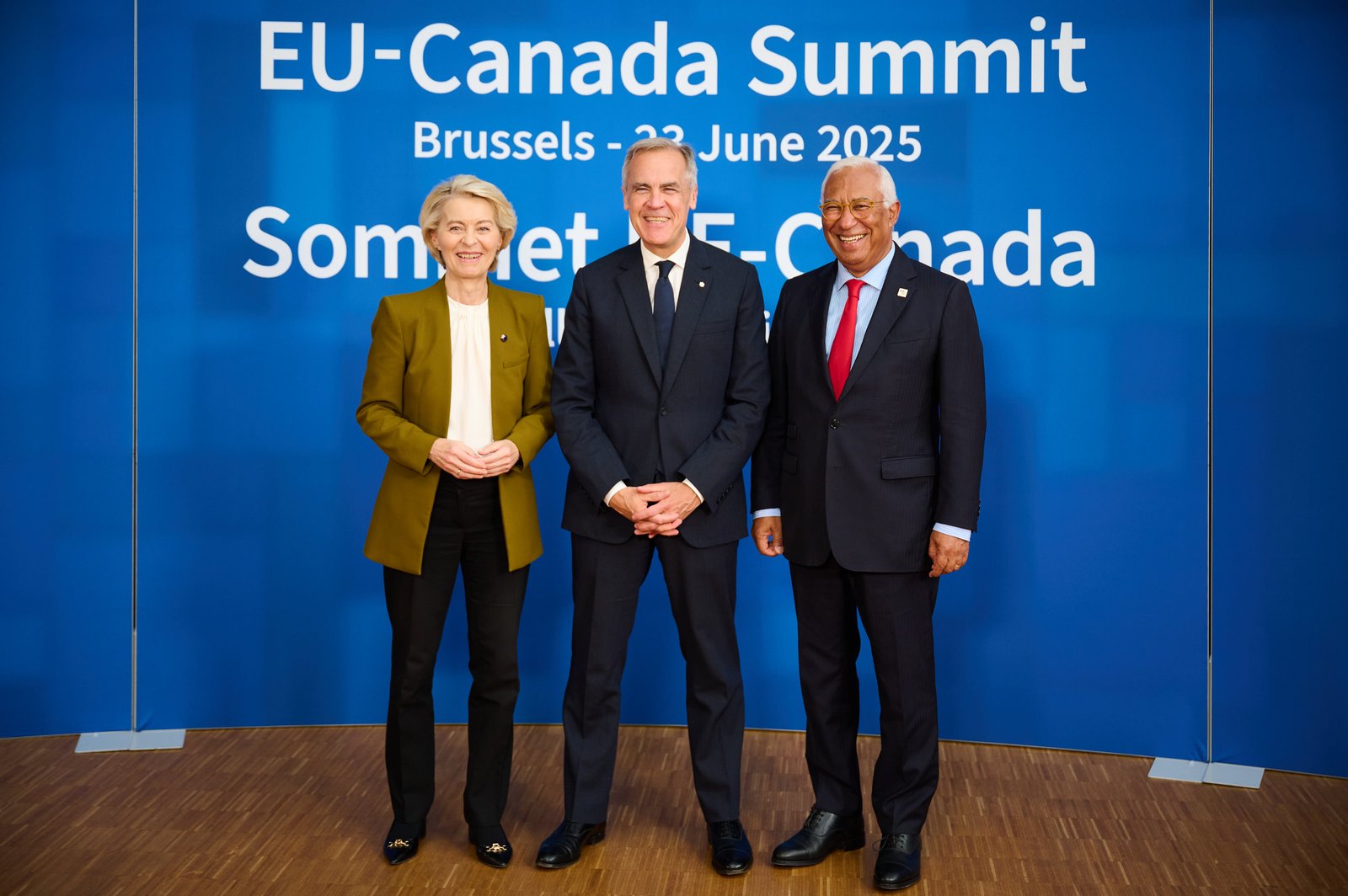
Carney pledges ‘co-operative federalism’ with the PQ, but Alto rail shapes up as the first test
A day after the Parti Québécois won a minority, the prime minister said he spoke with premier-designate Paul St-Pierre Plamondon about tariffs and infrastructure, while his ministers defended projects the PQ has vowed to oppose.