Politics
Alberta separatists’ U.S. outreach sparks call for new rules two weeks before referendum
A Globe and Mail investigation into State Department pitches and Michigan Republican voter software has Calgary MP Corey Hogan asking whether Canada needs a law covering freelance diplomacy.
Published: October 5, 2026 · Updated: October 5, 2026 · 3 min read
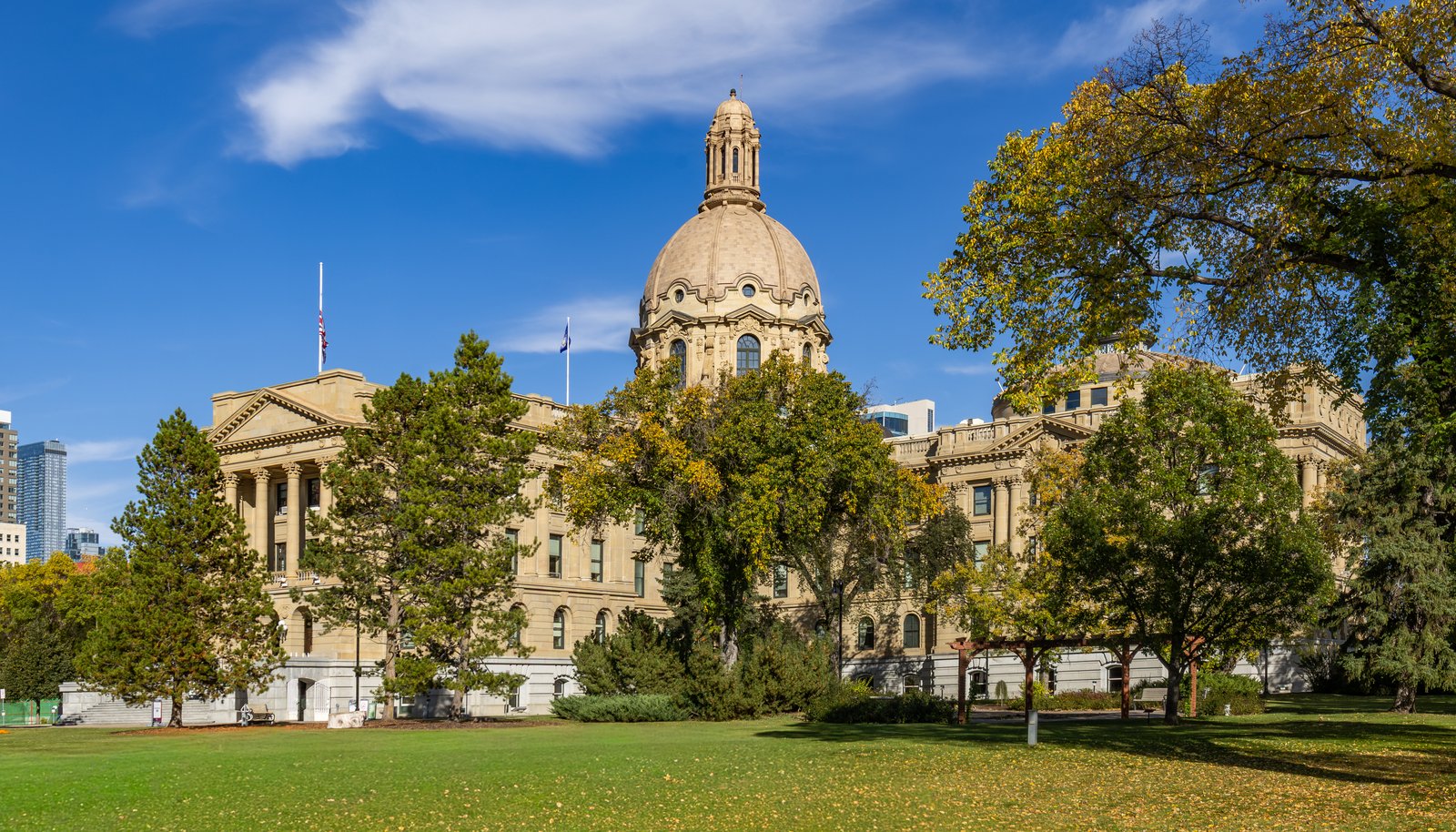
Calgary’s lone Liberal member of Parliament says Canada should consider changing its laws after a Globe and Mail investigation reported that Alberta separatists pitched U.S. officials on access to the province’s fresh water and crude-oil royalties, and that Michigan Republican strategists met separatist leaders privately near the Calgary airport. Corey Hogan told The Globe on Sunday that the cross-border talks are “wrong,” adding: “If we don’t have a law that covers them, I think we should at least be thinking about whether we need one.” Albertans vote in the Oct. 19 referendum.
The investigation, published Saturday, said separatists met U.S. officials at the State Department’s Harry S. Truman Building on April 22, Sept. 29 and Dec. 16 last year. Dennis Modry, a former heart surgeon and co-founder of the Alberta Prosperity Project, told The Globe a document left on the table set out “the potential benefits of Alberta sovereignty to the United States.” Ideas included fresh water, farm, forest and mineral resources, land for a railway to Alaska and a Pacific oil pipeline through Washington State with royalties flowing to the U.S. Modry also floated converting Albertans’ Canadian dollars to U.S. dollars at par with U.S. financing help.
Jeffrey Rath, the lawyer who arranged the meetings, disputed that account, calling the document “stupid” and saying the talks were general, “about the aspirations of Albertans and Alberta for independence.” On social media Saturday he wrote that the group were “private citizens” with “no government mandate to offer anything.” A White House official told The Globe that administration officials meet many civil-society groups and that “no support or commitments were conveyed.”
The Globe also detailed a January meeting, brokered by organizer David Parker, with representatives of 10X Votes, voter-targeting software built by Michigan Republicans to find and mobilize non-voting supporters. Co-founder Drew Born has publicly called for U.S. annexation of Alberta. Alberta Prosperity Project leader Mitch Sylvestre said he refused to hand over his group’s membership list. Parker’s Centurion Project later used an Alberta version of the tool; its database held names and addresses for 2,957,857 Albertans, and Elections Alberta has alleged in court that the data came from a voter list provided to the Republican Party of Alberta.
Hogan, a former campaign strategist, said he does not believe the Washington talks meet the bar for treason. “A principle seems to have been violated here, even if a rule hasn’t,” he said. Former premier Jason Kenney called the trips “certainly disloyal and unpatriotic” but stopped short of seeking new rules, saying Canadians cannot be barred from talking to foreign officials unless they commit treason or share national secrets. Alberta NDP Leader Naheed Nenshi called U.S. involvement “intensely bizarre,” while a spokesman for Premier Danielle Smith said she has no knowledge of the meetings and opposes separation.
Canada has no equivalent of the U.S. Logan Act, which criminalizes unauthorized private diplomacy. Global Affairs Canada confirmed that to the National Post last December, while a Justice Department spokesman said such talks remain subject to laws against espionage, sedition and sharing state secrets. McMaster University political scientist Adrienne Davidson told the Post the legal questions could sharpen once a referendum campaign is under way, “where the real question of foreign interference would come in.” The Post noted that a 2024 law created a Foreign Influence Transparency Commissioner, a post that had not yet been filled at the time.
U.S. Ambassador Pete Hoekstra, a former Michigan Republican Party chair, told The Globe that “Alberta’s future is for the province of Alberta to decide” and that he has “zero involvement with 10X Votes in Canada.” Other American voices have been less restrained: Republican congressman Andy Harris said on Newsmax in August that the U.S. “should make it the 51st state,” and Treasury Secretary Scott Bessent described Alberta in January as a “natural partner” for the United States.
The Oct. 19 ballot asks, in effect, whether Alberta should begin the legal process toward a second, binding referendum on leaving Canada. Separatist support has never made a sustained push past 30 per cent in polling, The Globe reported. Prime Minister Mark Carney warned in May that the vote could become a “dangerous bluff,” comparing it with Brexit, The Associated Press reported. Hogan’s call leaves Ottawa to decide whether foreign involvement in a provincial secession vote needs new legal guardrails.
Sources: The Globe and Mail (reaction); The Globe and Mail (investigation); National Post; The Associated Press.
Sources
- The Globe and Mail (reaction) · other
- The Globe and Mail (investigation) · other
- National Post · other
- The Associated Press · other
- ·
Newsletter
News. Context. What matters.
One essential briefing, written for people who would rather understand the story than scroll it.
Unsubscribe anytime. We don’t sell addresses.
Recommended
Politics
Quebecers vote as final projections put the PQ on the edge of a majority and the CAQ near wipeout
Polls are open until 8 p.m. ET after more than a quarter of electors voted early, with the Parti Québécois favoured to win and its sovereignty referendum pledge hanging over the result.
Politics
Quebec leaders make final pitches as last campaign poll points to a PQ minority
Paul St-Pierre Plamondon courted Montreal on the campaign's last full day as rivals warned of a referendum; polls open Monday from 9:30 a.m. to 8 p.m.
Politics
Study warns Ottawa to keep ‘eyes wide open’ before launching a foreign spy service
Former intelligence officials say Canada must define a vital need only espionage can meet — and that analysis capacity may pay off more than a new collection agency.