Money
U.S. inflation just came in hot. The Bank of Canada is watching.
September CPI hit 3.7% — with gasoline up 9.1% in a single month. What it means for the Oct. 28 rate decision and your mortgage.
Published: October 14, 2026 · Updated: October 14, 2026 · 1 min read
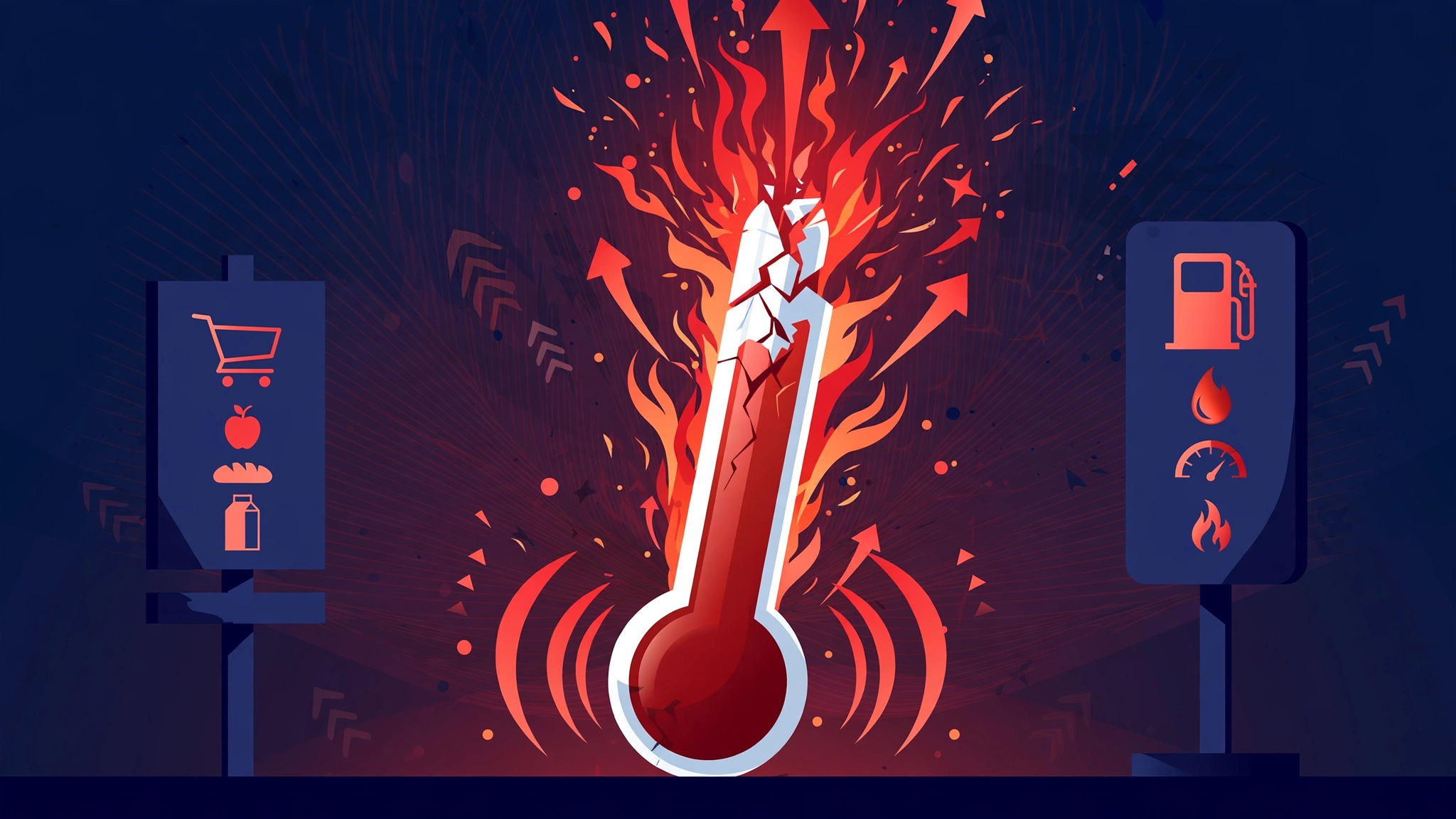
U.S. inflation came in hotter than expected in September. The consumer price index rose 0.6 per cent in the month on a seasonally adjusted basis, the Bureau of Labor Statistics reported Wednesday, pushing the annual rate to 3.7 per cent from 3.4 per cent in August — above the roughly 3.6 per cent economists had expected, according to Dow Jones surveys.
Gasoline did the damage: up 9.1 per cent in September alone, accounting for more than half of the monthly all-items increase, the BLS said. The energy index jumped 5.2 per cent on the month and is up 20.4 per cent from a year ago. Shelter rose 0.4 per cent. Food was unchanged overall — food away from home up 0.2 per cent, food at home down 0.1 per cent. Core inflation, excluding food and energy, held at 0.3 per cent monthly and ticked up to 2.6 per cent annually.
The Canadian angle: this lands two weeks before the Bank of Canada's Oct. 28 decision. Hot U.S. inflation complicates the picture for Macklem — a Fed forced to stay hawkish keeps the Canada-U.S. rate gap wide, which is one reason the loonie sits near 70 cents. And the gasoline surge is the same energy shock behind our diesel story: $2.64-a-litre diesel and now 9.1-per-cent monthly gasoline jumps on both sides of the border. The Fed meets in two weeks as well, with markets now pricing higher odds of another hike.
Politics intruded quickly. Rep. Brendan Boyle, the top Democrat on the House Budget Committee, blamed the print on Trump's "war in Iran and reckless tariff taxes" — a partisan framing, not a neutral assessment. The producer price index lands Thursday for the next data point.
What matters
What happened
U.S. September CPI rose 0.6% on the month and 3.7% year over year (BLS, Oct. 14) — beating the roughly 3.6% consensus.
Why it matters
Hot U.S. inflation pressures the Fed toward more hikes — widening the Canada-U.S. rate gap and squeezing the loonie two weeks before the Bank of Canada's Oct. 28 decision.
What we know
Gasoline +9.1% in September (over half the monthly rise); energy +20.4% year over year; core inflation 2.6% annually; food flat.
What we don’t
Whether energy keeps driving the prints; how the Fed and the Bank of Canada each respond.
What’s next
U.S. producer prices Thursday; the Fed meets in two weeks; the Bank of Canada decides Oct. 28.
Sources
- U.S. Bureau of Labor Statistics · other
- The Hill (via KCAU) · other
- Rep. Brendan Boyle statement · other
Interest ratesInflationBank of CanadamoneyCPI
Newsletter
News. Context. What matters.
One essential briefing, written for people who would rather understand the story than scroll it.
Unsubscribe anytime. We don’t sell addresses.
Recommended
Money
OPEC+ agrees to hold December oil output steady — leaving the war, not quotas, to set the price
Seven core producers agreed in principle at a Sunday online meeting to leave December targets unchanged, Reuters reported, pausing output policy until 2027 quota talks — with Brent's December contract closing Friday at $117.64.
Money
The Fed held rates — hours after the Bank of Canada hiked. Here's what the split means for Canadians.
The U.S. Federal Reserve kept its benchmark rate at 3.75% to 4% on Wednesday in a 10–2 vote, pausing after September's hike even as inflation stays elevated. For Canadians, the divergence with Ottawa's morning hike is the story: no relief for borrowers from south of the border, and a firmer case for the loonie.
Money
Bank of Canada hikes for the first time since 2023 — and warns more could follow.
At 9:45 a.m. ET on Wednesday the Bank raised its policy rate to 2.50%, its first increase since July 2023, saying high energy prices risk spreading into broader inflation. It also signalled caution: further hikes are possible, but decisions will come one meeting at a time.