World
Netanyahu pressed Trump to strike Iran right after the midterms, Axios reports — Trump wants talks to play out
The two leaders spoke by phone this weekend about when — and whether — to resume strikes on Iran, Axios reported Sunday, with Netanyahu pushing for action immediately after Tuesday's vote and Trump favouring more diplomacy. Trump confirmed the call and called it "very good."
Published: November 2, 2026 · Updated: November 2, 2026 · 2 min read

A "tough" and "direct" call
Israeli Prime Minister Benjamin Netanyahu pressed U.S. President Donald Trump to launch strikes on Iran immediately after Tuesday's midterm elections, Axios reported Sunday, citing one U.S. official and one Israeli official familiar with the conversation. The Israeli source described the call as "tough," while the U.S. source called it "direct," Axios reported. The Wall Street Journal first reported that the two leaders had spoken, though the outlets differ on the day: the Journal put the call on Friday morning, Axios on Saturday. Neither the White House nor the Israeli prime minister's office has publicly described what was said, Axios reported.
Trump's public version
Trump confirmed Sunday that he had spoken with Netanyahu and described the exchange in positive terms. "Just had a very good talk with him. We had a very good talk," Trump told reporters, confirming Iran was among the subjects discussed. On Saturday, Trump had said negotiations with Iran were "going fine" and that he was not "in much of a hurry" to resume strikes, while adding that the United States still had one or two nuclear sites to "take care of," Axios reported. U.S. Secretary of State Marco Rubio said Saturday that Trump has not decided whether to launch new strikes and would prefer a diplomatic resolution, Reuters reported.
The dual track
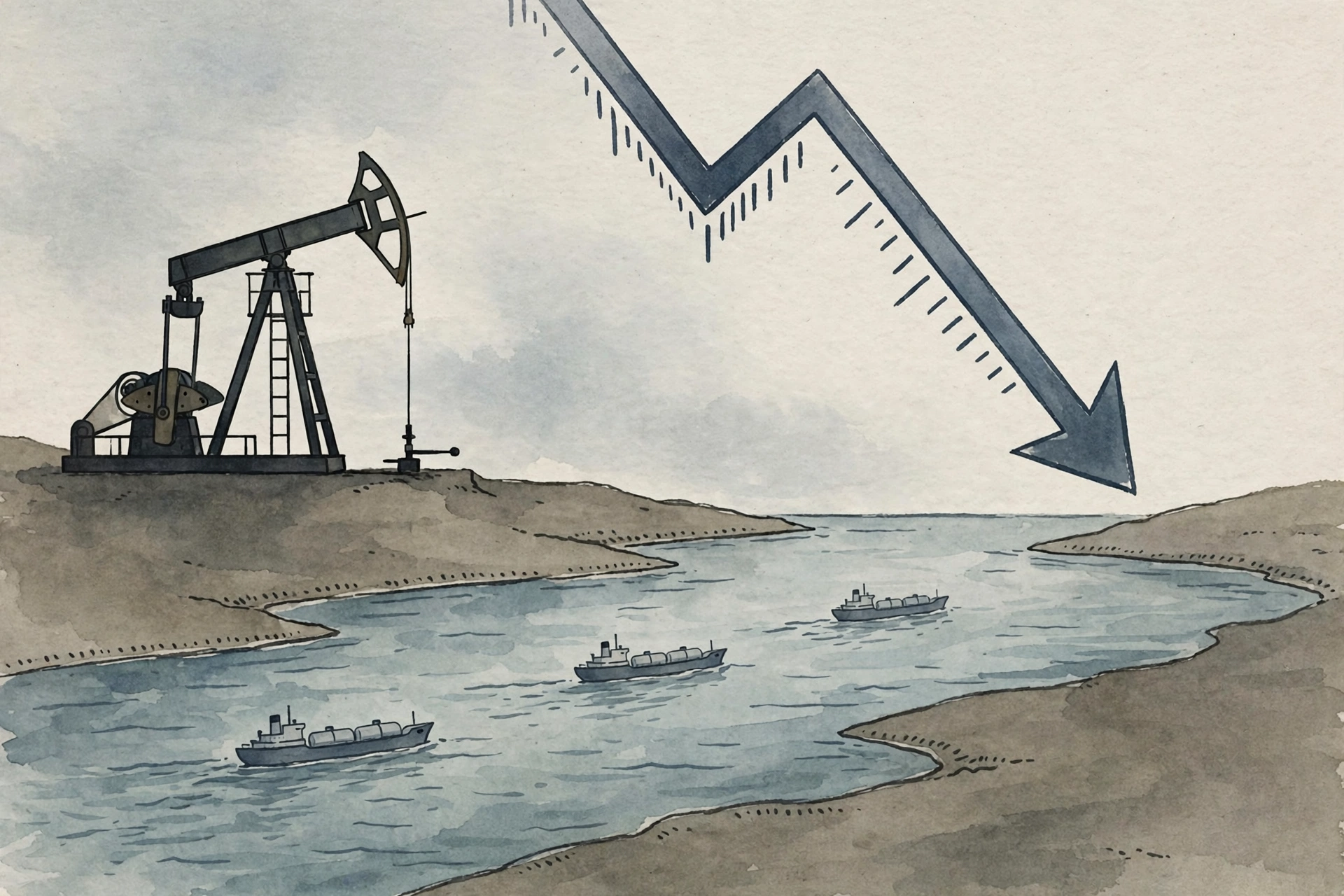
The reported disagreement captures the two tracks Trump has run throughout the eight-month war: airstrikes alongside negotiations aimed at a deal that would reopen the Strait of Hormuz to oil and gas traffic, Axios reported. Last week, Vice President JD Vance wrote to Iran's national security chief Mohsen Rezaei about restarting talks, Axios reported. Meanwhile Iranian negotiators met Qatari mediators in Doha for a third consecutive day on Sunday, Reuters reported, discussing a proposal to reopen the strait within two days of a potential agreement — though no conclusion has been reached.
Why Canadians should care
Canada feels this standoff at the pump and in inflation data: Brent's December contract closed Friday at $117.64 a barrel, its highest since April, and the Bank of Canada cited energy-driven inflation when it hiked to 2.50 per cent on October 28. If diplomacy holds past Tuesday, pressure eases; if strikes resume after the vote, it likely builds again. What to watch: Tuesday's midterm results, and whether the Doha talks produce an agreed framework first.
Sources
IranStrait of HormuzDonald TrumpUnited StatesBenjamin Netanyahu
Newsletter
News. Context. What matters.
One essential briefing, written for people who would rather understand the story than scroll it.
Unsubscribe anytime. We don’t sell addresses.
Recommended
World
Iran leaves Doha with a draft deal circulating — and oil slides 3% on hopes the strait reopens
Iranian negotiators departed Sunday after three days of Qatari-mediated talks, Reuters reported Monday, with a draft proposal now circulating and a follow-up meeting possible. Crude fell about 3% in early trading as markets priced diplomacy over new strikes.

World
Doha talks enter a third day — Trump says negotiations are "going fine" while warning targets remain
Iranian negotiators met Qatari mediators in Doha for a third consecutive day on Sunday, Reuters reported, as President Donald Trump said talks were productive but that the U.S. still had Iranian targets to "take care of" — with no new strikes promised before Tuesday's midterms.
World
Israel's count is complete — and no bloc can govern
The Central Elections Committee finished counting every ballot from Tuesday's election, including the double-envelope votes. Likud leads with 27 seats, but Benjamin Netanyahu's bloc holds only 53 — eight short of a majority — and official results are due Nov. 4.