Technology
NordSpace’s first satellite is working in orbit, a first for a Canadian launch company, as its Taiga rocket waits on federal approval
The Markham, Ont., startup’s Terra Nova pathfinder rode a SpaceX rideshare to orbit on Oct. 1 and will now test AI-powered wildfire and Arctic monitoring. Its own suborbital rocket is still grounded pending a federal launch authorization.
Published: October 7, 2026 · Updated: October 7, 2026 · 3 min read
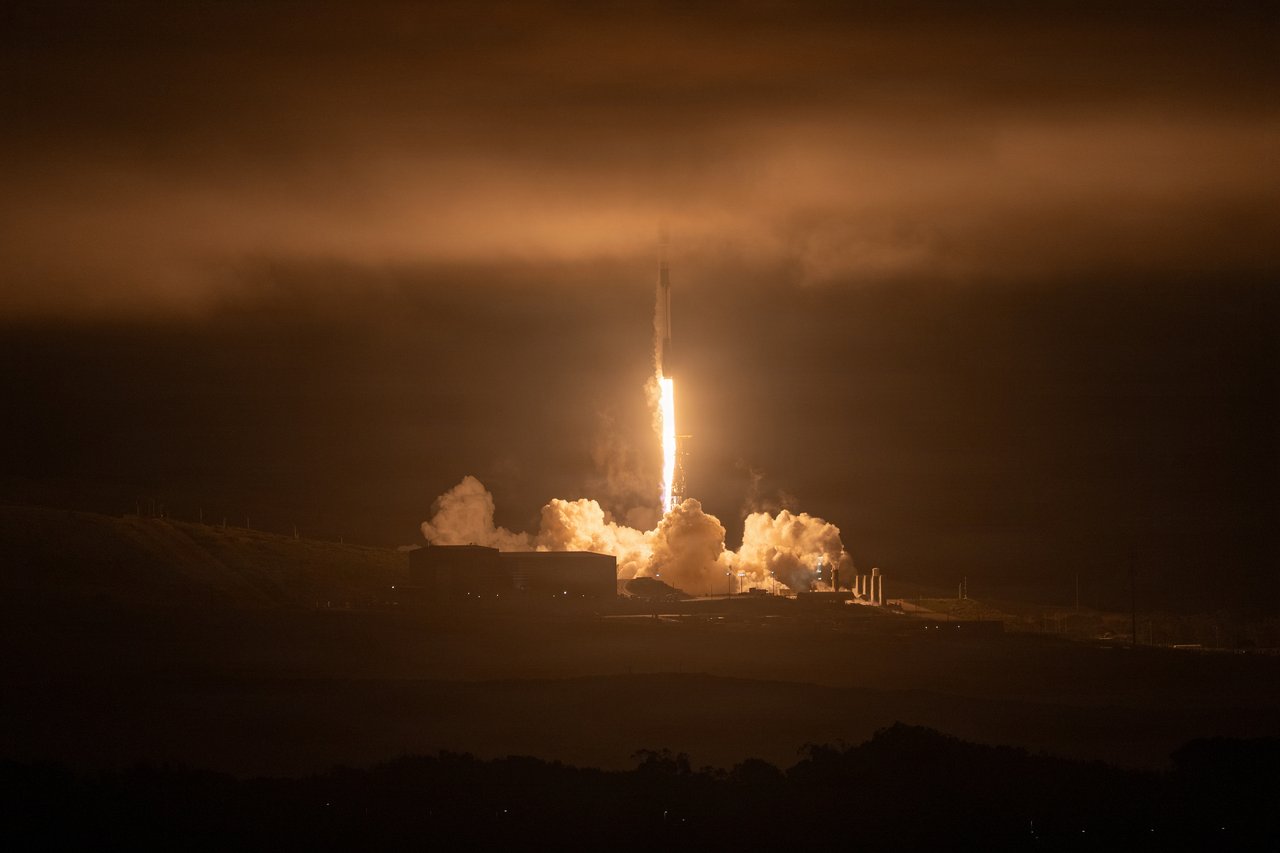
NordSpace, a Markham, Ont., company building its own rockets, says its first satellite is working well in orbit, making it the first aspiring Canadian launch company to operate its own hardware in space. “It’s operating successfully. Everything’s looking great,” chief executive Rahul Goel told CTV News, as reported by CP24. “It’s a huge milestone for us.”
The satellite, called Terra Nova, launched aboard SpaceX’s Transporter-18 rideshare mission from Vandenberg Space Force Base in California on Oct. 1, SaltWire reported, citing a company release. NordSpace said the satellite “has successfully completed its Launch and Early Orbit Phase (LEOP) and is operating nominally in extremely good health with all mission objectives met to date.” “We have complete and perfect contact with it,” Goel told CTV. “We’re starting the commissioning phase where we’re powering up various subsystems.”
The Falcon 9 lifted off at 11:32 a.m. Pacific time carrying 130 payloads, SpaceQ reported, including two methane-monitoring satellites for Montreal’s GHGSat, named Eleanor and Aidan, which SFL Missions built in Toronto. NordSpace built Terra Nova at its Space Systems Lab in Markham. Terra Nova went up on an American rocket because, Goel said, “It’s pretty much our only option.” He believes Canada is still a couple of years away from having its own rockets that can deliver payloads to orbit.
NordSpace calls Terra Nova a pathfinder, or test, satellite. The company says it was designed, built and tested in-house, including heat, vacuum and vibration testing, and went from concept to launch-ready in nine months. Its systems include an electric thruster and AI-powered cameras, and the privately funded spacecraft is meant to show both defence and commercial uses, CP24 reported. It carries four technologies developed internally, according to SaltWire.
In the coming weeks, the company’s missions team will keep commissioning the satellite and run operational tests of its space domain awareness, wildfire monitoring and Arctic monitoring capabilities, which use artificial intelligence. “These capabilities are aligned with Canadian defence and public safety priorities, from the protection of Canadian sovereignty to the predictive monitoring of national-scale wildfire and northern threats,” the company said. Goel said the goal is to be ready for “a future where Canada is launching its own rockets with its own payloads from Canadian soil.”
Those rockets have yet to fly. Attempts last year to send the company’s small Taiga test rocket on a suborbital flight from its Atlantic Spaceport Complex in St. Lawrence, N.L., were scrubbed several times, including when a safety system triggered too early and when a small fire broke out on the launch pad, CP24 reported. NordSpace said on its launch information page on July 29 that it was ready to launch Taiga and was still waiting for a response to its request for a launch authorization. In an email to Postmedia, Goel said the company is still awaiting federal authorization, SaltWire reported.
Goel told CTV that Taiga could launch in a couple of weeks, pending regulatory approval, which would make it “the first commercial rocket to launch from a commercial launch site in Canada.” He has previously said the company was waiting for Transport Canada and the federal government to update legislation on space launch and re-entry activities from Canadian territory, according to SaltWire. The spaceport is being built with government and private funding.
NordSpace plans to follow Taiga with larger orbital rockets called Tundra and Tempest. In March, the company announced a Phase 1 grant of $8.3 million from the Department of National Defence’s Launch the North challenge to advance Tundra, and its launch page says its focus is on a 2028 orbital launch. Founded in 2022, NordSpace has 55 employees at its Markham headquarters and plans to hire about 100 people in Newfoundland and Labrador. It is also testing Terry, a privately funded lunar rover named after Terry Fox, which it hopes to land near the moon’s south pole in 2027, CP24 reported.
Sources: CP24 / CTV News (Oct. 6, 2026); SaltWire / PNI Atlantic News; SpaceQ: SpaceX Transporter-18 launches three Canadian satellites; NordSpace: Launch information.
Sources
- CP24 / CTV News · news
- SaltWire / PNI Atlantic News · news
- SpaceQ · news
- NordSpace: Launch information · company
Newsletter
News. Context. What matters.
One essential briefing, written for people who would rather understand the story than scroll it.
Unsubscribe anytime. We don’t sell addresses.
Recommended

Technology
Canada’s bank regulator starts work on an AI ‘safety code’ as Routledge calls AI agent risks ‘frightening’
OSFI superintendent Peter Routledge says there is no draft or approved timeline yet, but a consultation could come as early as spring. He pointed to Anthropic’s restricted Mythos model as a sharp increase in cyber risk for lenders.

Technology
Google opens its SynthID detector to everyone, letting anyone check images, video and audio for AI watermarks
The free synthid.com tool now reads watermarks from OpenAI, Nvidia and Kakao as well as Google, with Apple support coming. But it caps checks at about 10 a day and cannot flag AI content that was never watermarked.
Technology
Claude vs ChatGPT vs Gemini in 2026: Pick by Job, Not by Hype
Search demand for AI assistants is enormous — and Claude is the fastest climber. Here is a SeriousPick matrix for real work, not feature theatre.