Technology
Google opens its SynthID detector to everyone, letting anyone check images, video and audio for AI watermarks
The free synthid.com tool now reads watermarks from OpenAI, Nvidia and Kakao as well as Google, with Apple support coming. But it caps checks at about 10 a day and cannot flag AI content that was never watermarked.
Published: October 7, 2026 · Updated: October 7, 2026 · 3 min read
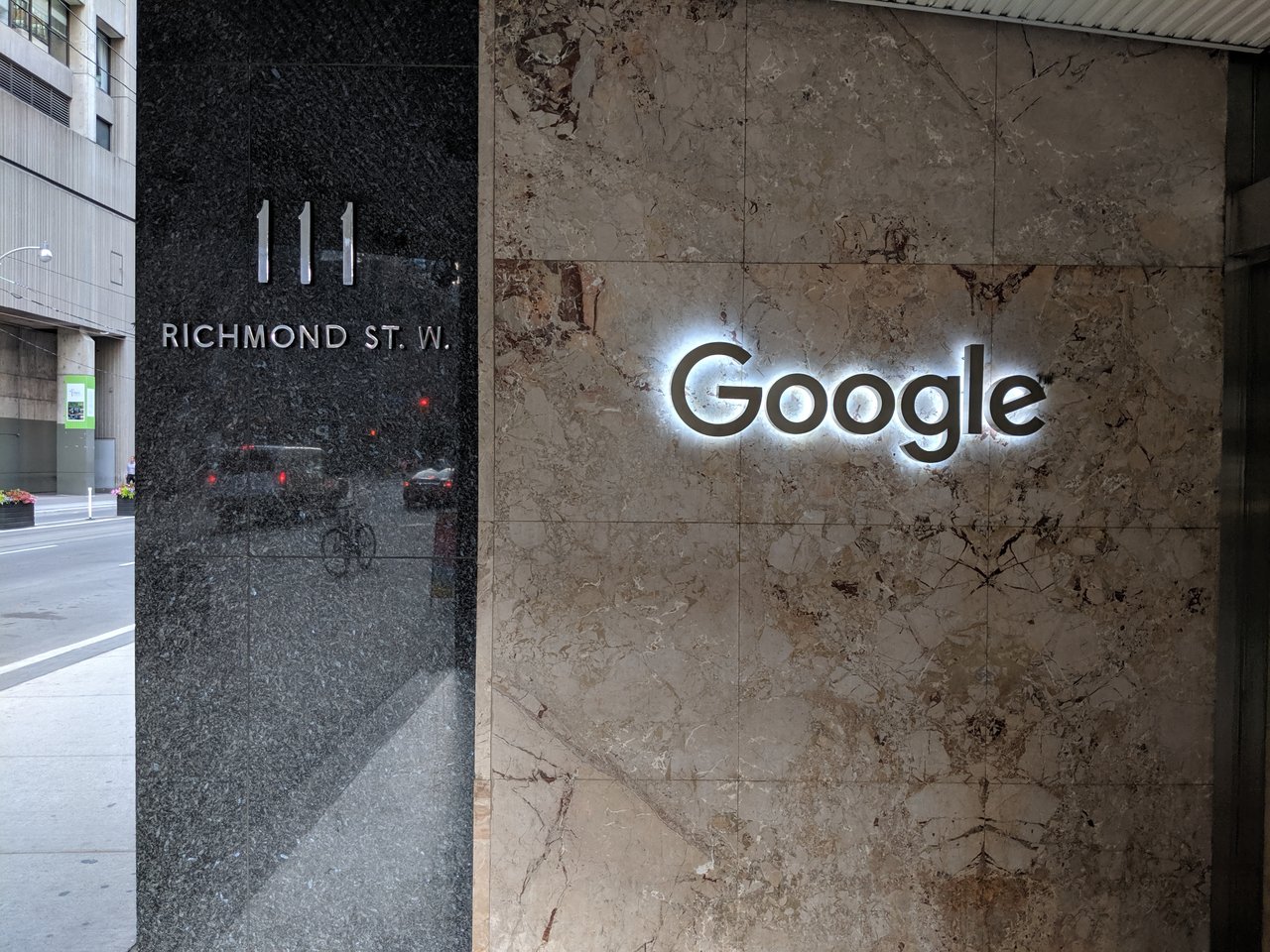
Google has opened its SynthID Detector to the public, launching a website where anyone can check whether an image, video or audio clip was made with artificial intelligence from Google or one of its partners. The tool is “available globally in English starting today,” Pushmeet Kohli, vice-president of science and strategic initiatives at Google DeepMind, wrote in a company blog post on Wednesday. It had previously been limited to journalists, media professionals and researchers since Google showed it at its I/O developer conference last year, TechCrunch reported.
SynthID, introduced in 2023, hides an imperceptible watermark in AI-generated media. Google says it has watermarked more than 180 billion images and videos and 240,000 years of audio. Its Nano Banana, Veo and Lyria models, along with tools such as Gemini, Flow, ProducerAI and Vids, all stamp what they generate, TechCrunch said, and Google has also built SynthID checks into Search, the Gemini app and Chrome, which the company says now handle more than one million verification requests a day.
The bigger change is reach. The earlier detector checked only for Google’s own version of SynthID, so images from ChatGPT, which carry SynthID, would not be flagged, Ars Technica noted. The new site supports the distinct watermarks of Google’s partners, including OpenAI, Nvidia and Kakao, with Apple to follow. Engadget said that would make it one of the first detection tools able to identify images made with Apple’s AI features, such as Image Playground; Google says support for images created and edited with Apple Intelligence is coming “soon.”
Using it requires signing in with a Google, OpenAI or Apple account, and Google says each user gets “a daily usage quota of approximately 10 image, video, and audio checks.” Google engineers told Ars that limiting access is necessary to stop people from using the checks to develop SynthID removal tools. The site accepts common image formats including JPG, PNG, WEBP, HEIC and AVIF, video in MP4, MOV and WEBM, and audio in WAV, MP3, OGG, FLAC, AAC and M4A, according to TechCrunch.
Results are deliberately simple. Rather than highlighting the regions of an image that carry SynthID pixels, as Google’s internal tool did, the public site returns a message saying whether SynthID was used to produce or edit the media, Ars reported. Engadget added that it does not distinguish between content made entirely by AI and content that was only edited with it.
The detector also has blind spots. Some model makers, such as Meta, use different watermarking technology, others use none, and open-weight models that people run on their own hardware can produce realistic content with no labelling at all, so plenty of AI material will not be identified, Ars said; the site carries a disclaimer to that effect. Watermarks can also be stripped in some situations, Engadget noted. Ars suggested that labelling authentic photos, video and audio as they are captured, using cryptographic standards such as C2PA, may ultimately work better, and said Google’s Pixel phones are among the few devices doing that. Engadget reported that ElevenLabs has previously committed to supporting SynthID.
Watermarking rules still vary by region. On Monday, OpenAI said it would begin adding an invisible watermark to text generated by ChatGPT and Codex to comply with the European Union’s AI Act, whose transparency rules took effect on Aug. 2, but only for users in the EU, and that it is not making text watermarking a global default at launch, TechCrunch reported. That leaves ChatGPT users elsewhere, including in Canada, without the text watermark for now. OpenAI also cautioned that a missing watermark “does not prove human authorship.”
Sources: Google blog (Google DeepMind), Oct. 7, 2026; Ars Technica; Engadget; TechCrunch: Google’s new SynthID website; TechCrunch: OpenAI will start watermarking ChatGPT’s text in the EU; The Verge.
Sources
- Google blog (Google DeepMind) · company
- Ars Technica · news
- Engadget · news
- TechCrunch · news
- TechCrunch (OpenAI EU watermarking) · news
- The Verge · news
Newsletter
News. Context. What matters.
One essential briefing, written for people who would rather understand the story than scroll it.
Unsubscribe anytime. We don’t sell addresses.
Recommended
Technology
Claude vs ChatGPT vs Gemini in 2026: Pick by Job, Not by Hype
Search demand for AI assistants is enormous — and Claude is the fastest climber. Here is a SeriousPick matrix for real work, not feature theatre.
Technology
Should You Let an AI Shop for You? A Field Guide to Personal Agent Protocol
Meta, Sierra, Walmart and Shopify want personal AI agents to sign in and act for shoppers. Here’s what that means, what to grant, and what to refuse.
Technology
Build a Second Brain That Survives AI: Capture, Trust, Retrieve
AI note apps promise a brain upgrade. Most create a prettier junk drawer. Here is a SeriousPick trust-layered system that still works when the chatbot is wrong.