Money
Two in three Canadians would compromise to afford a home, Re/Max survey finds, as RBC says affordability relief is fading
Buyers say they would move farther out, buy older homes or stretch their amortization. RBC’s latest measure shows ownership costs still take 52.8 per cent of a typical household’s income, and higher mortgage rates could push that up again.
Published: October 7, 2026 · Updated: October 7, 2026 · 4 min read
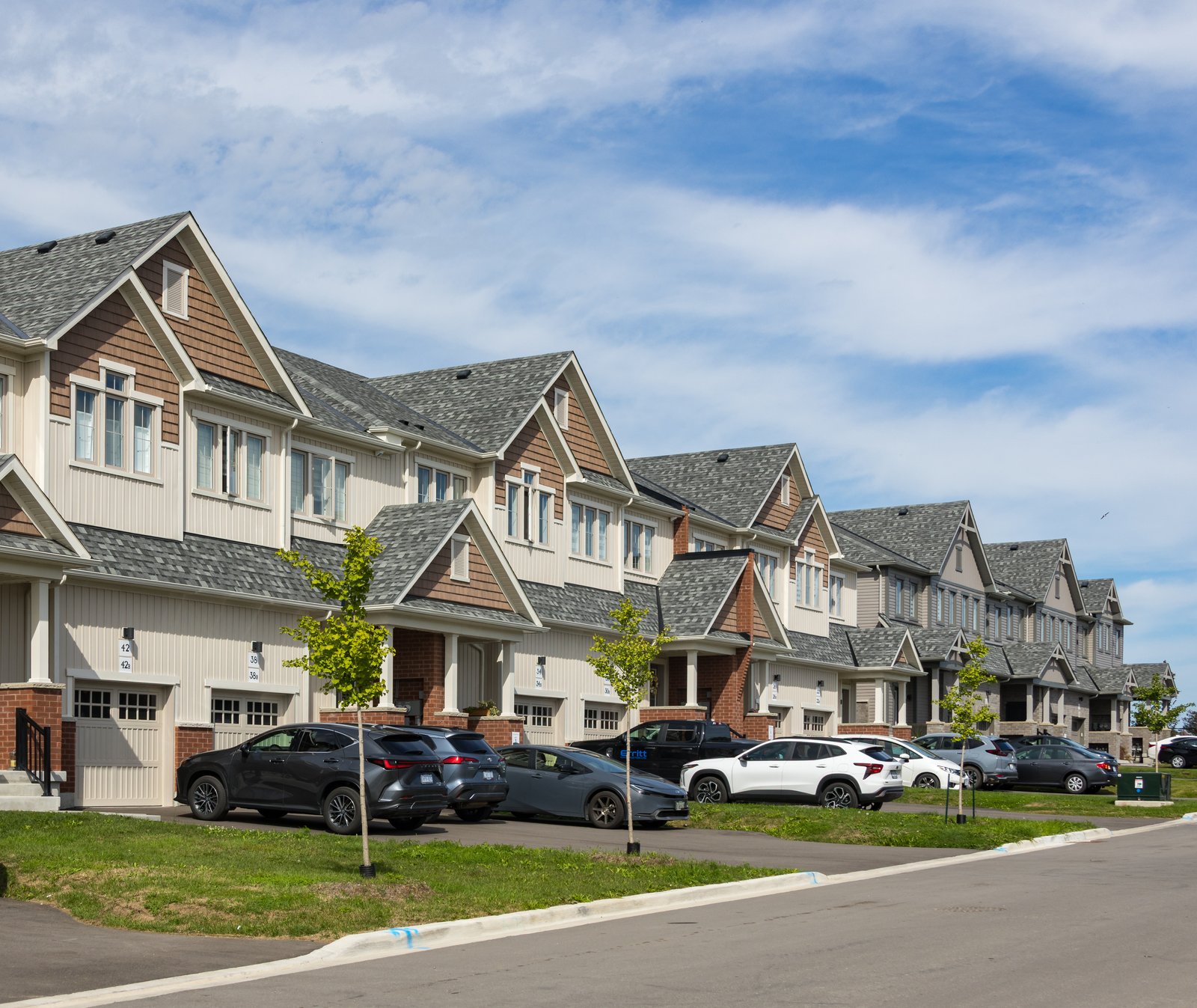
Most Canadians who want a bigger or better-suited home say they are ready to give something up to get it. Sixty-five per cent of respondents would make at least one compromise, such as reconsidering location or the type or condition of the home they buy, according to a survey in the Re/Max Canada 2026 Fall Housing Market Outlook released Wednesday. Sixty-three per cent said they would relocate to a home that better meets their needs, including 47 per cent who would move up to an hour from their current community.
The trade-offs vary. Thirty-one per cent would live farther from a city centre, 21 per cent farther from shops and restaurants, 20 per cent would buy an older home or one needing renovations and 20 per cent would accept a smaller yard, Real Estate Magazine reported. Eight per cent would consider moving to another province, while 18 per cent said they would make none of the compromises listed. Affordability was the top consideration in choosing where to buy, cited by 60 per cent, ahead of neighbourhood safety at 47 per cent.
Many would also squeeze their budgets. Forty-one per cent would cut discretionary spending such as travel and dining out, 24 per cent would extend their mortgage amortization, 20 per cent would accept financial help from family, and 17 per cent each would take on a second job or delay retirement or other long-term savings, The Canadian Press reported. “There’s a difference between compromising and settling,” said Don Kottick, president of Re/Max Canada. “Rather than giving up on home ownership, Canadians are making different choices about how to get there.”
Market conditions are tilting toward buyers in many places. Home sales fell year over year in 81 per cent of the markets Re/Max analyzed between Jan. 1 and July 31, while average prices rose in 56 per cent, the company said. Its brokers and agents expect 32 per cent of markets to sit firmly in buyers’ territory this fall, up from 15.2 per cent a year ago. Re/Max expects the national average residential price to finish 2026 about 2.3 per cent below 2025 levels, with sales about two per cent lower, according to Real Estate Magazine. The Greater Toronto Area remains a buyers’ market, with average prices down 5.1 per cent from a year earlier, while limited inventory pushed Thunder Bay’s average up 10.5 per cent and prices rose in every Atlantic market analyzed.
The survey also tested recent federal measures. Three-quarters of respondents knew about the federal first-time homebuyers’ GST/HST rebate, 45 per cent said it is helping some buyers and 14 per cent said it had influenced their own purchase plans. Re/Max brokers and agents said the rebate is mostly helping people who were already close to buying, and in 79 per cent of market responses they said the foreign homebuyer ban has had little impact on affordability or new construction, Real Estate Magazine reported.
The bigger affordability picture is improving only slowly. RBC’s national measure, the share of median pre-tax household income needed to cover mortgage payments, property taxes and utilities, stood at 52.8 per cent in the second quarter, an improvement of 0.4 of a percentage point that was its smallest in almost a year, the bank’s economists said. Rising household income, helped by firmer wage growth and government transfers including the one-time top-up to the Canada Groceries and Essentials Benefit in June, accounted for the entire gain as home prices and rates held fairly steady. Regina remained the most affordable market tracked, at 27.9 per cent, and Vancouver the least, at 83.9 per cent, with Toronto second worst at 64.1 per cent.
That relief may not last. “Upward pressure on long-term interest rates and likelihood of Bank of Canada hikes next year could put ownership costs on the rise again after dropping significantly since 2024,” said RBC assistant chief economist Robert Hogue. The report added that spiking energy costs will raise utility bills, and RBC expects a modest loss of affordability as 2027 begins. Capital Economics said government bond yields suggest average five-year fixed mortgage rates could rise from 4.1 per cent toward five per cent, the Financial Post reported. “For a buyer constrained by the size of their mortgage payment, that would reduce the house price they could afford by nine per cent,” the firm said. RBC’s measure peaked at 63.6 per cent in 2023, compared with 33 per cent in 2001, its most affordable reading.
The Re/Max survey was conducted online by Leger from July 17 to 19 among 1,532 Canadian adults. The Canadian Research Insights Council, an industry group that promotes polling standards, says online surveys cannot be assigned a margin of error because they are not random, The Canadian Press noted.
This article is general information and is not investment advice.
Sources: Re/Max Canada news release (Oct. 7, 2026); The Canadian Press; Real Estate Magazine; RBC Economics; Financial Post.
Sources
- Re/Max Canada news release · company
- The Canadian Press · news
- Real Estate Magazine · news
- RBC Economics · company
- Financial Post · news
- ·
Newsletter
News. Context. What matters.
One essential briefing, written for people who would rather understand the story than scroll it.
Unsubscribe anytime. We don’t sell addresses.
Recommended

Money
Startup investors press Ottawa for a U.S.-style capital gains break and a tax-deferred reinvestment rollover
More than 150 investors and executives signed a ‘Bet on Canada’ letter to Finance Minister François-Philippe Champagne ahead of the fall budget. A tax economist warns the idea amounts to subsidizing risk.

Money
Canadians plan to cut holiday spending 11 per cent, but more will pay extra for Canadian-made goods, PwC finds
The average planned budget for gifts, travel and entertainment drops to $1,487, with Gen X and baby boomers pulling back hardest, while 54 per cent say they would pay more for a product made in Canada.

Money
Canada’s trade surplus jumps to $4.2 billion as exporters race new U.S. tariffs
Exports to the United States rose 8.1 per cent in August, producing the biggest monthly swing on record in Canada’s balance with its largest customer, though economists expect the pull-forward to fade.