Lifestyle
Quebec’s Farnham Pawpaw Festival draws up to 14,000 for North America’s tropical-tasting native fruit
While much of Canada prepped Thanksgiving dinner, sticky-fingered crowds scooped mango-banana-caramel flesh, pawpaw poutine and arancini at the second annual free festival southeast of Montreal.
Published: October 13, 2026 · Updated: October 13, 2026 · 2 min read
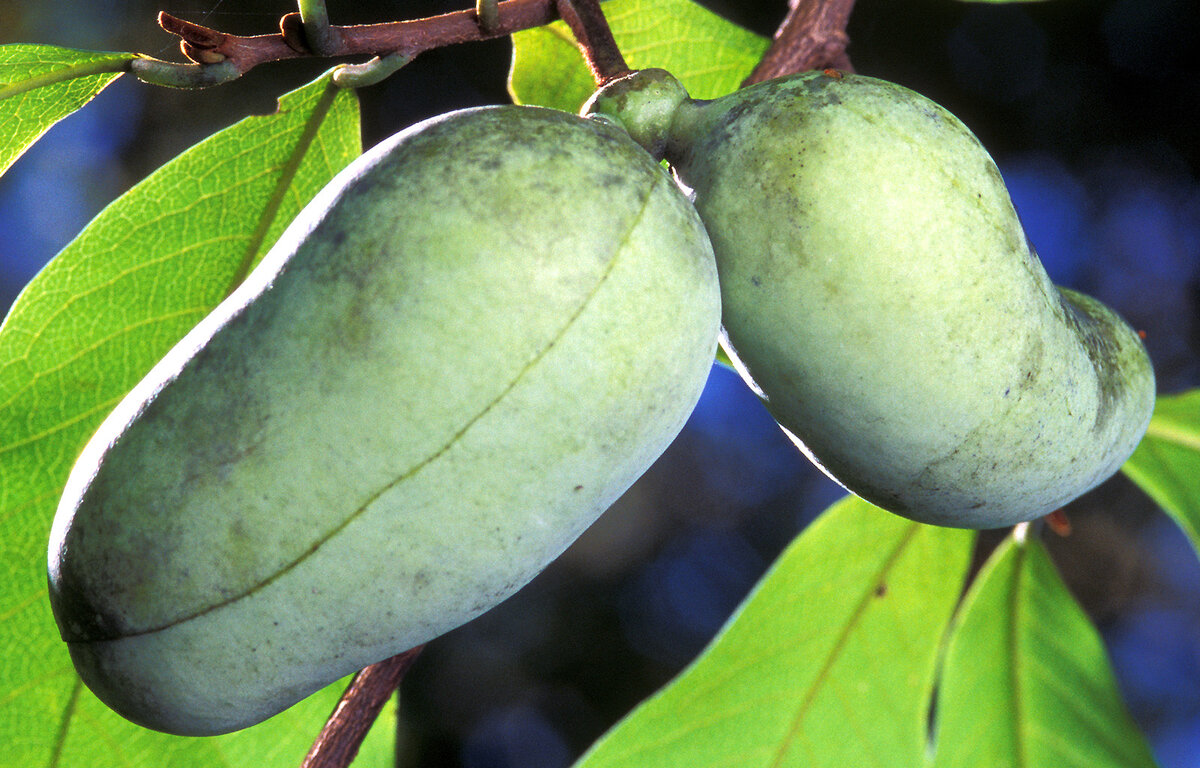
While much of Canada spent Sunday readying Thanksgiving dinner, thousands gathered in Farnham, Que., about 50 kilometres southeast of Montreal, for the second annual Pawpaw Festival celebrating a little-known native fruit that tastes like a tropical mix of mango, banana, pineapple and caramel, The Canadian Press reported.
Warm October weather and fall colours lit the market town as visitors scooped yellow flesh from mango-shaped fruit, some picked nearby. “It tastes like mango, banana, pineapple and caramel. It has every characteristic of a tropical fruit, even if it’s a native fruit. And it grows in our backyard here in Quebec — it’s pretty incredible,” said Vincent Renaud, founder of the non-profit Pawpaw Québec.
Vendors sold pawpaw candles, beer, pastries, hot sauce and more. Gabrielle Boucher returned with her family to snack on pawpaw-filled arancini and urged people to plant the trees so Canadians might rely less on imported bananas. Nearby, Nicolas Leporé tried pawpaw-flavoured poutine while his wife, Sabrina Chiminazzo, ate a grilled cheese with onion and pawpaw slices; the couple left with seeds and fresh fruit to try growing their own on Montreal’s south shore.
Renaud, a Farnham resident who discovered pawpaws in 2019, built a Facebook group that now has nearly 23,500 members and launched the festival last year. The first edition drew about 10,000 visitors; he estimates 12,000 to 14,000 attended this year, including guests from other provinces, the United States and Europe. Tourisme Brome-Missisquoi listed the free Oct. 10–11 event at the Marché public de Farnham with more than 30 vendors, talks, workshops and family programming.
West Virginia pawpaw specialist Rodney Dever was on hand after a run of U.S. weekend festivals. He said the fruit surged in popularity in the early 1900s, then faded around the Second World War partly because of its short shelf life. “Once it’s ripe, after a day or two, it goes from the best fruit in the world to tasting like rotten bananas,” Renaud explained.
Pastry chef Dominique Lalonde of Kîsisam Pâtisserie sold pawpaw desserts and framed the revival as a return to local and Indigenous ingredients after generations of being told that what grows here was not good enough. Renaud said Farnham’s festival is the only one where every vendor sells pawpaw products and hopes it can grow into an international event.
Pawpaw (Asimina triloba) is native to eastern North America and has also found growers in cooler climates in Europe and Japan. Canadian Press first published the Farnham report on Oct. 12, 2026; Global News carried the same wire story for Montreal audiences.
Sources: The Canadian Press via Winnipeg Free Press (Oct. 12, 2026); Global News / Canadian Press (Oct. 12, 2026); Pawpaw Québec festival page; Tourisme Brome-Missisquoi.
Sources
- The Canadian Press via Winnipeg Free Press · news
- Global News / The Canadian Press · news
- Pawpaw Québec · organization
- Tourisme Brome-Missisquoi · organization
- ·
Newsletter
News. Context. What matters.
One essential briefing, written for people who would rather understand the story than scroll it.
Unsubscribe anytime. We don’t sell addresses.
Recommended

Lifestyle
Sidhu Moose Wala's hologram tour opens with a sold-out Toronto night, with Vancouver and Calgary next
AP Dhillon, Steel Banglez and AR Paisley joined the late Punjabi star's Signed to God show at Scotiabank Arena, where his parents and two-year-old brother drew one of the evening's biggest ovations.

Lifestyle
Kawhi Leonard draws the loudest ovation in his Raptors re-debut as Toronto routs the Knicks 140-93 in pre-season
The two-time Finals MVP started at Scotiabank Arena in his first game back since the Clippers trade; Sportsnet said he had 21 points in the first half before a minutes limit kicked in.

Lifestyle
Denmark scores three goals in nine minutes to edge Canada 4-3 in Toronto ahead of the CONCACAF W Championship
Olivia Smith, Evelyne Viens and Delaney Pridham scored for Canada at BMO Field, but Olivia Holdt’s two goals helped the Danes answer Friday’s shootout loss in Montreal.