Canada
The Supreme Court just agreed to hear Ottawa's appeal on the 2022 Emergencies Act. Four years later, the legal reckoning isn't over.
Federal courts said invoking emergency powers during the convoy protests lacked sound statutory grounds. The country's highest court will now decide whether Ottawa was wrong — or whether the judges were.
Published: October 22, 2026 · Updated: October 22, 2026 · 1 min read
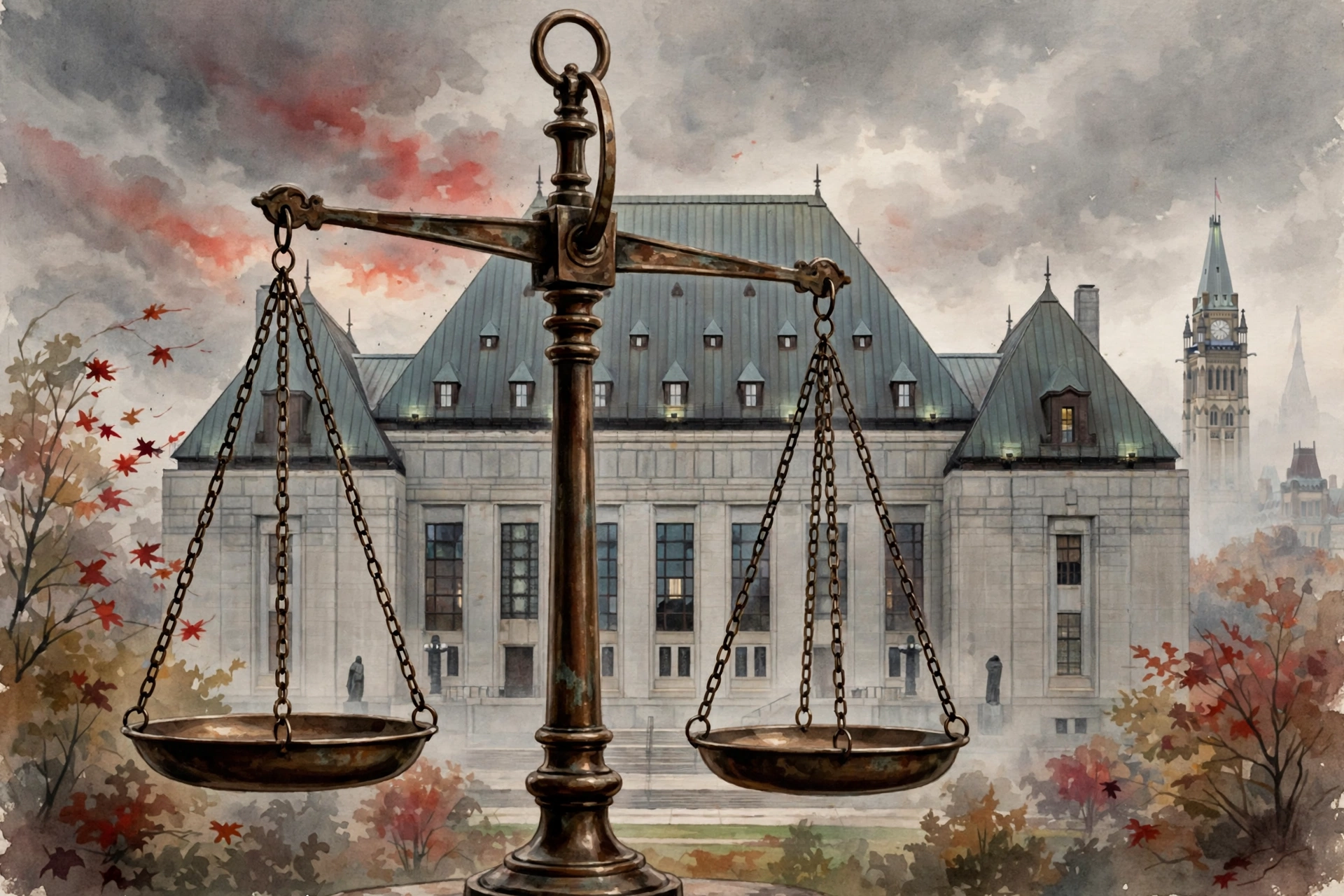
The federal government invoked the Emergencies Act for the first time in Canadian history on Feb. 14, 2022, giving itself sweeping temporary powers during the convoy protests that had gridlocked downtown Ottawa for roughly three weeks and snarled key border crossings.
The Canadian Press reported Thursday that the Supreme Court of Canada will hear Ottawa's appeal of the court rulings that it lacked sound statutory grounds to do so.
The invocation let the government regulate or prohibit public assemblies, designate protected places, direct banks to freeze assets, and ban support for protest participants, the Canadian Press reported. Many demonstrators had gathered against COVID-19 health restrictions, though others brought a broader set of grievances against the Trudeau government.
The Canadian Civil Liberties Association and other challengers convinced the Federal Court that the government had not met the legal threshold for emergency powers; a three-judge panel of the Federal Court of Appeal unanimously upheld that ruling in January, according to the Canadian Press.
Now the government takes the same argument to the country's highest court. The stakes go beyond relitigating 2022: a Supreme Court ruling would set the binding legal test for when a federal government can reach for emergency powers in any future crisis.
The road to the top court
The protest encampment in Ottawa lasted nearly a month before police cleared it in a series of February 2022 operations. The Federal Court's 2024 ruling that the invocation lacked statutory grounds was a major rebuke; the government's loss on appeal in January left the Supreme Court as its last option.
What a ruling could change
If the Supreme Court sides with Ottawa, the government gets its emergency playbook back with the country's highest authority behind it. If it loses, future governments would need to clear a higher legal bar before invoking the Act — a constraint that would shape every crisis response for decades.
What matters
What happened
The Supreme Court of Canada agreed to hear Ottawa's appeal defending its 2022 invocation of the Emergencies Act during the convoy protests.
Why it matters
Federal courts ruled the invocation lacked sound statutory grounds. The top court's decision will set the binding legal test for emergency powers for decades.
What we know
The Act was invoked on Feb. 14, 2022. Its powers included restricting public assemblies, freezing bank assets of participants, and designating secure places. The Canadian Civil Liberties Association's Federal Court win was upheld unanimously on appeal in January.
What we don’t
When the hearing will take place and whether the court will hear the appeal alongside other pending constitutional cases.
What’s next
The court will schedule a hearing. Its arguments will decide whether Ottawa's emergency playbook stands or gets rewritten.
Sources
- The Canadian Press · other
OttawaCanadian politicsSupreme CourtEmergencies Actlaw
Newsletter
News. Context. What matters.
One essential briefing, written for people who would rather understand the story than scroll it.
Unsubscribe anytime. We don’t sell addresses.
Recommended

Canada
Ottawa tables bill to let Canadians request assisted dying in advance — and drops the mental-illness expansion
Bill C-41 would let adults diagnosed with an incurable illness that will take away their decision-making capacity consent to medical assistance in dying in advance, while the government says it will not proceed with eligibility based solely on mental illness.
Canada
Trump says a Canada tariff deal is coming 'pretty soon' — but offers no terms
At a Michigan border rally Sunday, the U.S. president predicted the trade dispute would be settled soon while repeating his claim Canada has been "ripping off" the U.S. — and Ottawa did not immediately respond.
Canada
B.C. Conservatives win majority government — and David Eby is stepping down as NDP leader
CTV News declared a Conservative majority Saturday night as interim leader Lorne Doerkson's party surged to a commanding lead, ending nine years of NDP government and giving B.C. its first Conservative government in nearly a century.