Canada
Poilievre to Carney: cut spending, scrap fuel taxes — or own the biggest deficit since COVID
In a letter to the prime minister days before the November 5 budget, Conservative Leader Pierre Poilievre demands an end to federal diesel taxes until Canada Day and permanent repeal of the fuel standard, warning the government will miss its own fiscal anchor.
Published: November 1, 2026 · Updated: November 1, 2026 · 1 min read
The demands
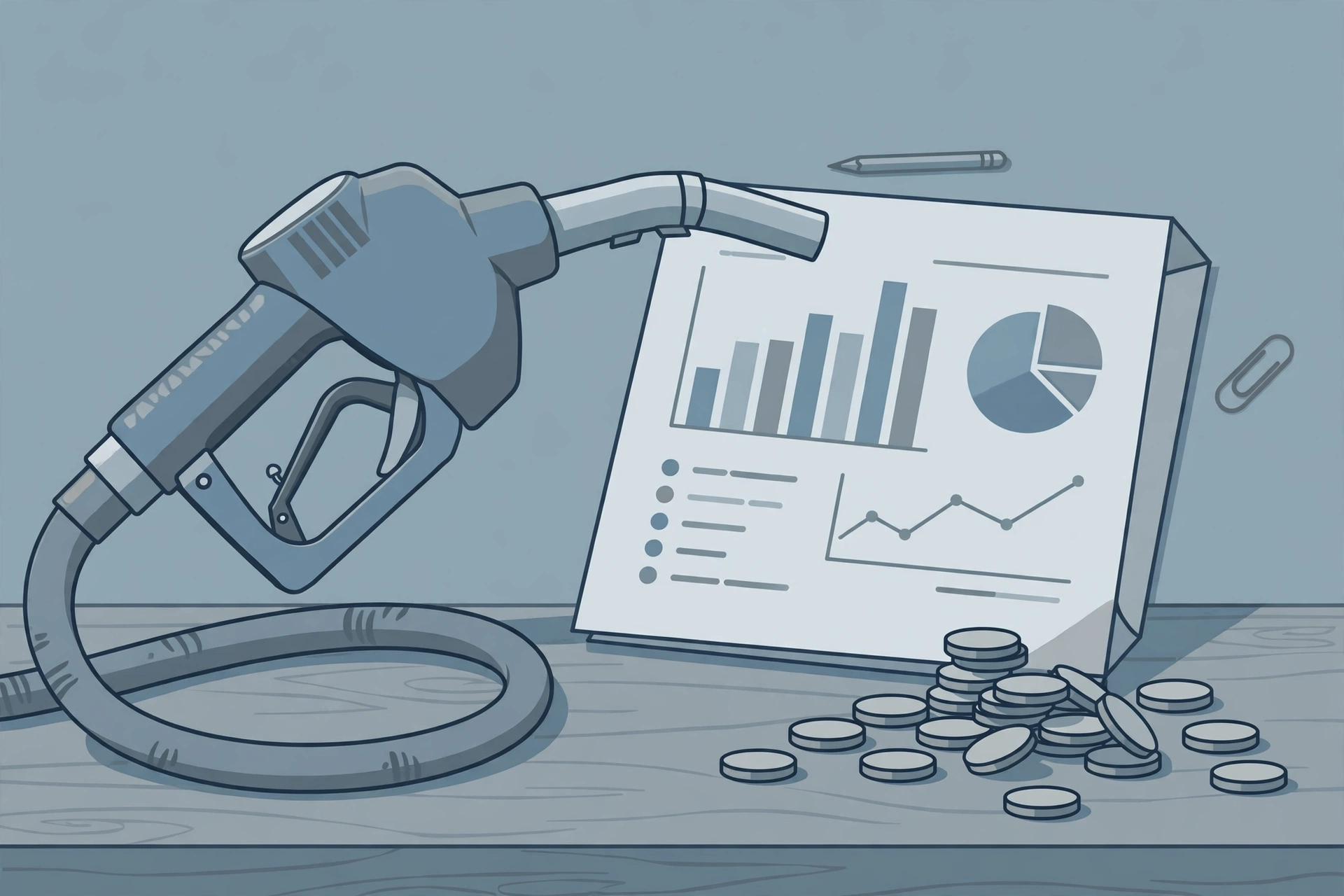
Conservative Leader Pierre Poilievre is pushing the federal government to eliminate all federal taxes on diesel until Canada Day, part of a list of demands ahead of the budget being tabled on November 5, The Canadian Press reported. In a letter to Prime Minister Mark Carney, Poilievre says suspending the GST on fuel until summer and permanently scrapping the fuel standard tax would save Canadians money whether they are buying groceries or toys for Christmas. The letter also calls on the Liberal government to cut what Poilievre calls wasteful and inflationary spending and to fulfil its promises to reduce both the debt-to-GDP ratio and the deficit-to-GDP ratio.
The fiscal backdrop
The Parliamentary Budget Officer has predicted that the government will not meet its fiscal anchor of maintaining a declining deficit-to-GDP ratio, The Canadian Press reported; instead, the office expects the measure to rise in 2027-28 and 2029-30. The office also expects a $63.3-billion deficit in fiscal 2026-27, down from a forecast of $71.8 billion in its June outlook, with annual deficits peaking at $70.2 billion the following year. Poilievre says Carney's government has the biggest deficit ever outside of the COVID-19 pandemic and the highest spending as a share of GDP since the 1990s debt crisis. "You promised affordability. Yet everything is more expensive since you took office," the letter says, adding that while the prime minister cannot control things outside Canada, "your decisions at home have only made things worse."
The government's line
Finance Minister François-Philippe Champagne has said the budget will "outline the next steps in our plan to build a stronger, more resilient and more affordable Canada," The Canadian Press reported. The exchange sets up the budget as a direct contest over affordability: the Conservatives frame fuel taxes and spending as costs passed to households, while the government argues its plan builds resilience against tariffs and a slowing economy. What to watch on November 5: whether the budget touches fuel taxes at all, and whether its deficit path matches or breaks the Parliamentary Budget Officer's projections.
Sources
Pierre Poilievrefederal budgetConservative Partyfuel taxdeficit
Newsletter
News. Context. What matters.
One essential briefing, written for people who would rather understand the story than scroll it.
Unsubscribe anytime. We don’t sell addresses.
Recommended
Canada
Six federal by-elections called for December 7 — including two Montreal seats the Liberals must defend
Prime Minister Mark Carney has set December 7 for by-elections in six ridings across Ontario, Quebec, Saskatchewan and Alberta, testing his government's standing one month after the budget.
Canada
Carney unveils Canada's first national security strategy in 22 years — and it starts with the economy
The Plan for a Stronger Canada, launched Thursday, says the line between economic and national security has disappeared. It promises a rebuilt military, tougher public safety and modernized intelligence — but its first priority is securing Canada's sovereignty in the sectors the world wants.

Canada
Ottawa tables bill to let Canadians request assisted dying in advance — and drops the mental-illness expansion
Bill C-41 would let adults diagnosed with an incurable illness that will take away their decision-making capacity consent to medical assistance in dying in advance, while the government says it will not proceed with eligibility based solely on mental illness.