Canada
Ottawa is weighing ‘all the options’ as Canada’s foreign homebuyer ban nears its Jan. 1 expiry, Champagne says
The finance minister would not say whether the ban, already extended once in 2024, will be renewed. A CIBC economist has urged Ottawa to let it lapse, while the law’s fines of up to $10,000 remain in force for now.
Published: October 8, 2026 · Updated: October 8, 2026 · 3 min read
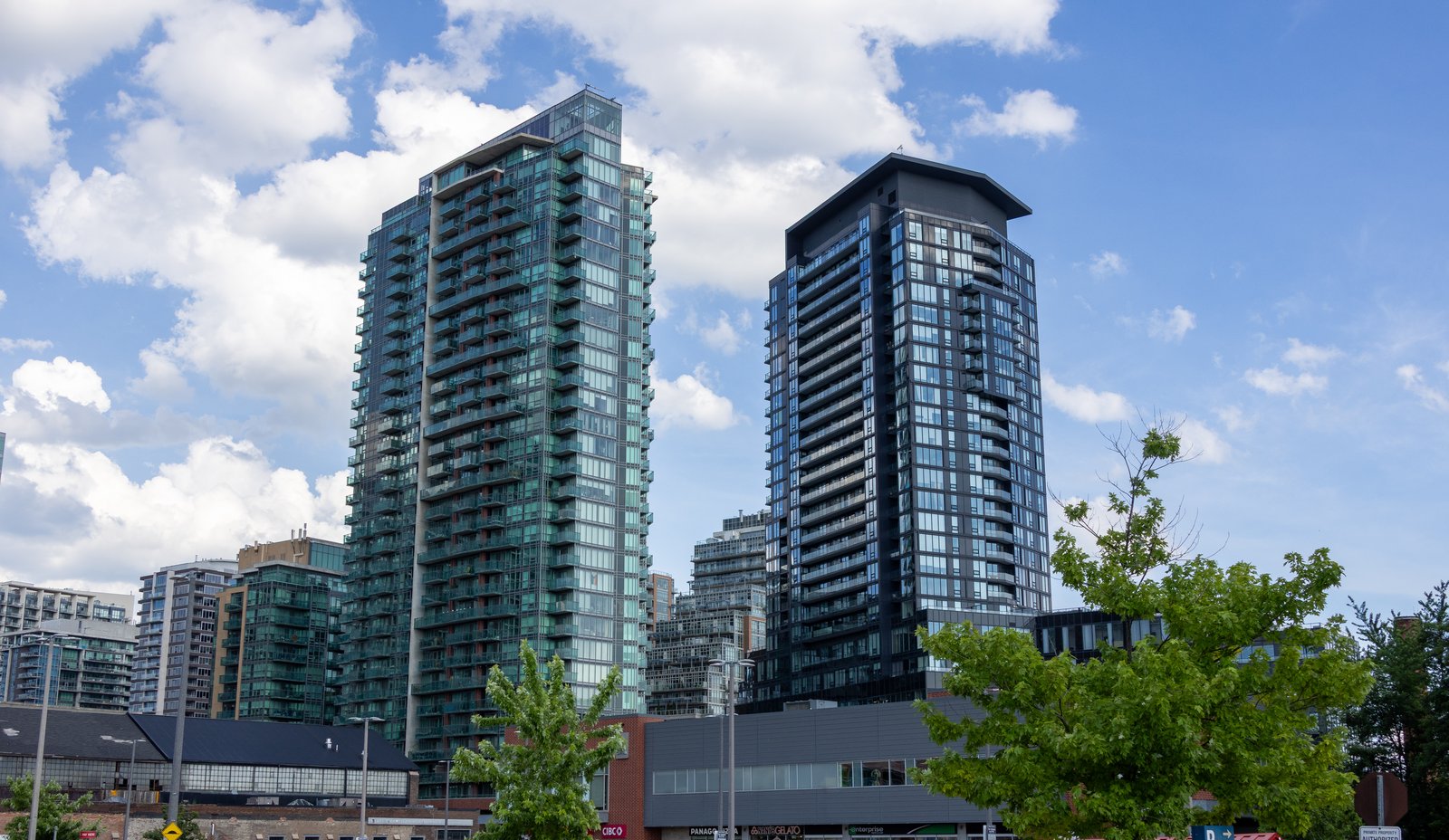
Finance Minister François-Philippe Champagne says the federal government has not yet decided what to do about Canada’s ban on foreign purchases of residential property, which is scheduled to end on Jan. 1, 2027. Champagne appeared non-committal when reporters in Ottawa asked him on Wednesday whether the measure would be extended, Global News reported. According to Bloomberg, in a report published by the National Post, he said the government is mulling its options ahead of the expiry.
“That’s a measure … that has been in place for some time. The market is evolving,” Champagne told reporters, according to Global News. “We’re looking at all the options that we have in front of us, considering where the market is going, what has happened over the last few years, always keeping in mind that we want to make sure that we have a higher stock of housing opportunities for Canadians.”
Champagne acknowledged that municipalities, provinces and the federal government have all taken steps to improve affordability, Bloomberg reported. “The market is very different from one region to the other, even one community from the other,” he said. “We’re looking at not only what the federal government has been doing and can be doing, but also what other levels of government have been addressing.” Global News noted that the ban is set to sunset just months after the expected tabling of the Liberals’ next budget.
The measure is set out in the Prohibition on the Purchase of Residential Property by Non-Canadians Act, which was enacted as part of a 2022 federal statute. Section 4 of the Act, as consolidated on the federal Justice Laws website, makes it prohibited “for a non-Canadian to purchase, directly or indirectly, any residential property.” The Act exempts certain temporary residents who meet prescribed conditions, protected persons, and non-Canadians who buy with a spouse or common-law partner who is a Canadian citizen, a permanent resident or a person registered under the Indian Act. Under section 6, a non-Canadian who breaks the rule, and anyone who knowingly helps them, is liable on summary conviction to a fine of not more than $10,000.
The accompanying regulations narrow the ban’s reach. Property outside a census metropolitan area or census agglomeration is excluded, as is the acquisition of residential property by a non-Canadian for the purposes of development. Students can qualify for an exemption if, among other conditions, they filed all required tax returns and were physically present in Canada for at least 244 days in each of the five preceding years, the property costs no more than $500,000 and they have not bought more than one residential property. Work-permit holders must have 183 days or more of validity remaining on their permit and must not have bought more than one residential property.
Bloomberg said former prime minister Justin Trudeau’s government banned foreign purchases of residential real estate in 2023 and renewed the measure in 2024, with exemptions for vacant land intended for development and larger multi-unit buildings. According to Global News, the ban was originally set to expire in January 2025 before the government extended it for two years, saying at the time that foreign investors buying residential real estate were “increasing housing affordability concerns in cities across the country, particularly in major urban centres.” Housing Minister Gregor Robertson said last year that the government would use 2026 to review the policy and examine models that have worked elsewhere, including Australia, where foreigners can buy newly built homes, Bloomberg reported.
The policy was introduced after home prices surged during the pandemic, when interest rates were near zero, Bloomberg said, adding that data suggest foreigners owned no more than five per cent of properties in any major Canadian market in 2020. Developers have argued the ban cuts off a source of capital that would help fund new housing construction. Since the Bank of Canada began raising interest rates in 2022, demand has softened and the national benchmark price is now roughly 20 per cent below its peak, according to the report, though many younger Canadians remain priced out of home ownership, which makes any move to welcome more foreign capital politically sensitive for Prime Minister Mark Carney’s government.
Benjamin Tal, deputy chief economist at the Canadian Imperial Bank of Commerce, has called on the government to let the ban expire. “It doesn’t make any sense,” he said last week, according to Bloomberg, arguing that Carney has been encouraging foreign investment in other sectors of the economy and that allowing offshore buyers back into the market could help finance new housing projects and boost supply.
Sources: Global News (Oct. 7, 2026); Bloomberg via National Post (Oct. 7, 2026); Justice Laws: Prohibition on the Purchase of Residential Property by Non-Canadians Act; Justice Laws: Prohibition on the Purchase of Residential Property by Non-Canadians Regulations.
Sources
Newsletter
News. Context. What matters.
One essential briefing, written for people who would rather understand the story than scroll it.
Unsubscribe anytime. We don’t sell addresses.
Recommended

Canada
McGuinty pitches $8 billion in Alberta defence spending at CFB Edmonton as Smith calls separatists’ reported offer to the U.S. ‘absurd’
With Premier Danielle Smith at his side 12 days before the Oct. 19 referendum, the defence minister cast Confederation as “a bargain of reciprocity.” Smith, who plans to vote to stay, said separatists had no right to offer Washington Alberta’s water or royalties.
Canada
Lawyer asks Quebec court to make incoming PQ members swear allegiance to the King before they take their seats
Constitutional lawyer Lawrence David wants a judge to suspend Quebec’s 2022 law that made the oath to the monarch optional, warning that laws passed by an assembly that skips it could be void. The request goes before a Montreal courtroom on Friday.
Canada
Tariff Whiplash for Regular People: What US–China’s “30-for-30” Lists Mean in Canada
Washington and Beijing floated US$30 billion in goods each for lower tariffs. Canadian exporters feel it first. Households should watch prices, jobs, and grocery-adjacent supply — without panic-buying narratives.