World
WHO says it cannot fully assess a suspected plague death in Siberia until Russia shares more information
Moscow told the UN health agency there is “no plague case” in the Irkutsk region and that about 200 contacts were quarantined. WHO wants laboratory results and answers about reports of a second pneumonia case.
Published: October 8, 2026 · Updated: October 8, 2026 · 3 min read
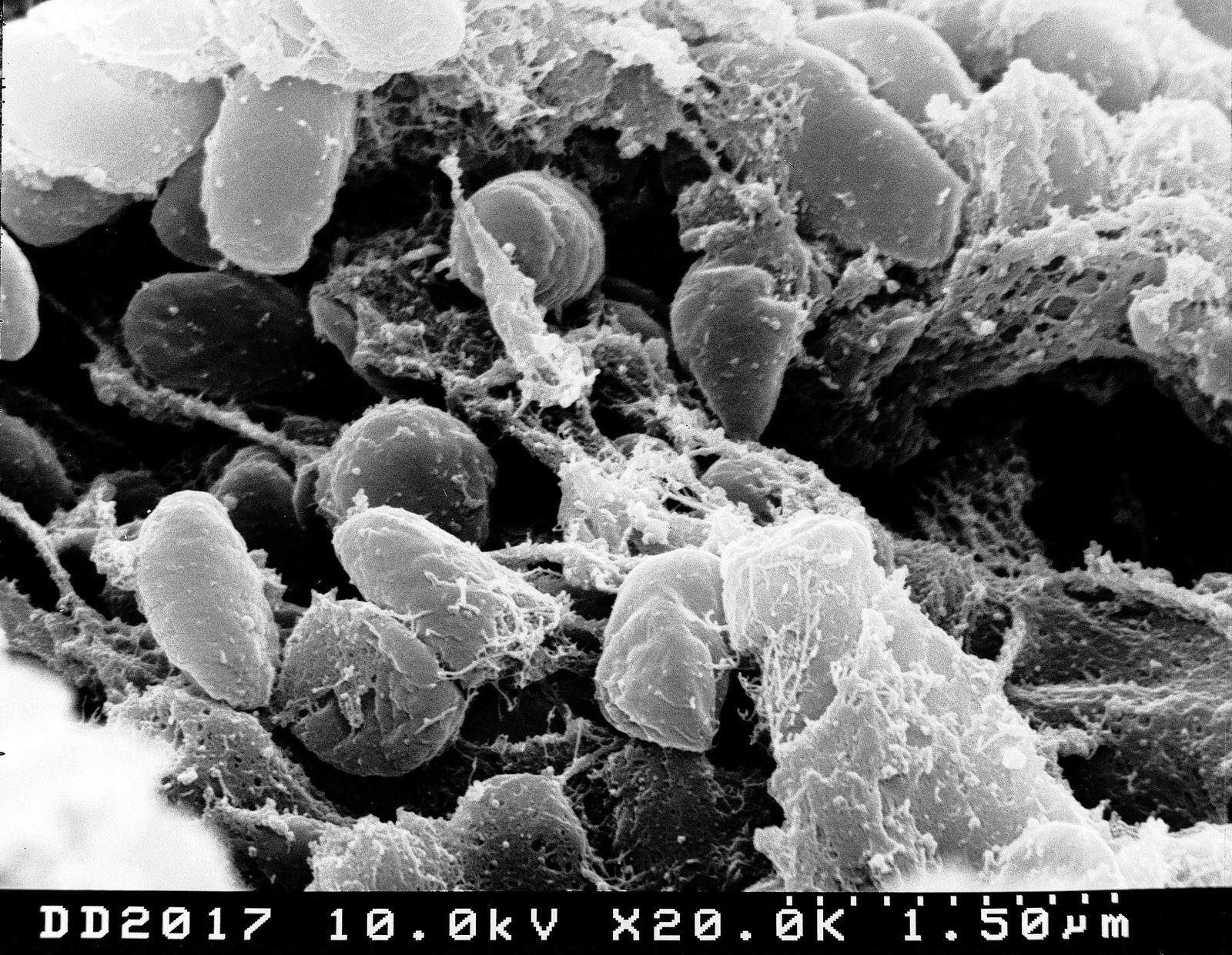
The World Health Organization said Wednesday it could not complete a full risk assessment of the suspected plague death of a laboratory technician in Siberia because it still lacks the full picture from Russia, Agence France-Presse reported. The 28-year-old woman worked at the Irkutsk Anti-Plague Research Institute, according to the report. WHO, the United States and the European Union have urged Moscow to release more information, AFP said.
“The lab worker died after being hospitalised with severe pneumonia. Initial media reports suggested pneumonic plague following an accidental lab exposure,” WHO Director-General Tedros Adhanom Ghebreyesus told a news conference. He said WHO was aware that the Russian government held a meeting on Oct. 2 because it suspected a resident of the Irkutsk region had contracted a dangerous infection, and that WHO asked Moscow for more information on Oct. 3 under the International Health Regulations, the legally binding framework under which countries are asked to respond within 24 hours.
Russia replied on Oct. 6 that no plague case had been reported in the Irkutsk region and that about 200 contacts had been quarantined, AFP reported. UN News said Russian regulators told WHO there was no evidence that pneumonic plague played a part in the woman’s death and that no pathogens had been detected. According to AFP, Moscow has said she died of a community-acquired severe pneumonia of unknown origin, and Russia’s health agency warned on Oct. 7 against “false” information as reports emerged of a second suspected case, saying there were “no epidemic risks for the population.”
“We don’t yet have the full picture of this event and we’re not able to conduct a full risk assessment,” Tedros said. Maria Van Kerkhove, who heads WHO’s department of epidemic and pandemic threat management, said WHO wants to know what tests were done, the specifics of the results and what further analysis is under way. “We don’t understand how she was infected,” she said, according to AFP. Silviu Ciobanu of WHO’s European office said that “given the timeline given in IHR is 24 hours, obviously it’s not okay.”
Tedros said WHO had also asked Russia to respond to two media reports of “a second employee with pneumonia of undetermined cause.” “We asked Russia to respond to that... because any reporting that comes, we cannot ignore it,” he said.
WHO’s initial risk assessment, announced in Geneva on Oct. 6, estimated the risk to be “moderate to low for Irkutsk, a low risk for the Russian Federation as a whole, and very low for the WHO European region,” spokesperson Christian Lindmeier told reporters, according to the UN Geneva newsroom. He said all of the patient’s contacts had reportedly been identified and were being monitored and that “none to date have shown symptoms of illness,” and that the assessment would be updated as more information comes in. Lindmeier noted that the woman worked at an institute that studies dangerous pathogens, including plague, in a part of Siberia where plague occurs naturally in wild animals.
Van Kerkhove acknowledged that the world has “heightened attention to risk” since the COVID-19 pandemic, UN News reported. “We want to put out fair, factual information and when we don’t have an answer, we say so,” she said, adding that WHO has offered support to Russia and expects further answers in the coming days.
Plague is caused by the bacterium Yersinia pestis, which is usually found in small mammals and their fleas, according to a WHO fact sheet. The pneumonic form, in which the bacteria infect the lungs, is especially contagious and can spread from person to person through respiratory particles. WHO says untreated pneumonic plague can be fatal within 18 to 24 hours of onset, but common antibiotics can effectively cure the disease if they are delivered early. Between 2019 and 2025, 10 countries reported suspected human plague cases to WHO, with 3,847 suspected cases and 423 deaths, AFP reported; WHO says most cases in that period were in the Democratic Republic of the Congo and Madagascar.
This article is for general information only and is not medical advice. Consult a qualified health professional about your situation.
Sources: Agence France-Presse via The Straits Times (Oct. 7, 2026); UN News (Oct. 7, 2026); UN Geneva newsroom: Irkutsk suspected plague death (Oct. 6, 2026); World Health Organization: Plague fact sheet.
Sources
- Agence France-Presse via The Straits Times · news
- UN News · organization
- UN Geneva newsroom · organization
- World Health Organization · organization
Newsletter
News. Context. What matters.
One essential briefing, written for people who would rather understand the story than scroll it.
Unsubscribe anytime. We don’t sell addresses.
Recommended

World
Michigan Republican Mike Rogers breaks with Trump on Canada, calling in a new Senate ad for an end to the ‘tariff war’
Sitting in a bar with a Labatt, the GOP nominee tells voters “Canada is not our enemy.” Trump brushed the ad off as a call for Canada to make a deal, while his opponent, Abdul El-Sayed, called it a flip-flop by a candidate who once praised the tariffs.
World
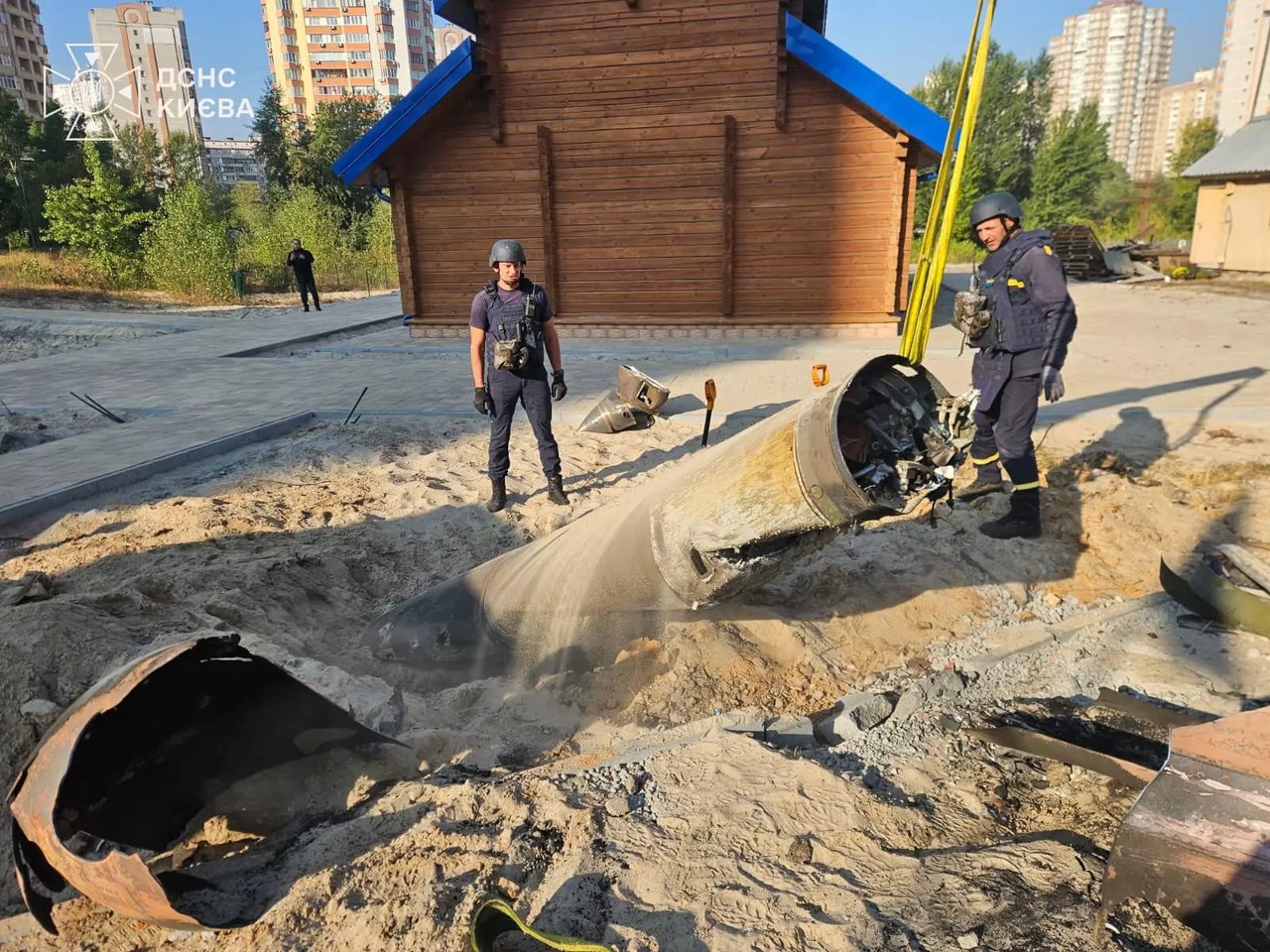
Russian missile tears through a Pryluky apartment block as an overnight barrage on Putin’s birthday kills at least 19 across Ukraine
Fourteen people, including four children, died in the five-storey building in the Chernihiv region. Zelensky said Russia fired 70 missiles, many of them ballistic, and renewed his plea for Patriot interceptors as Kyiv claimed strikes on Russian oil sites.
World
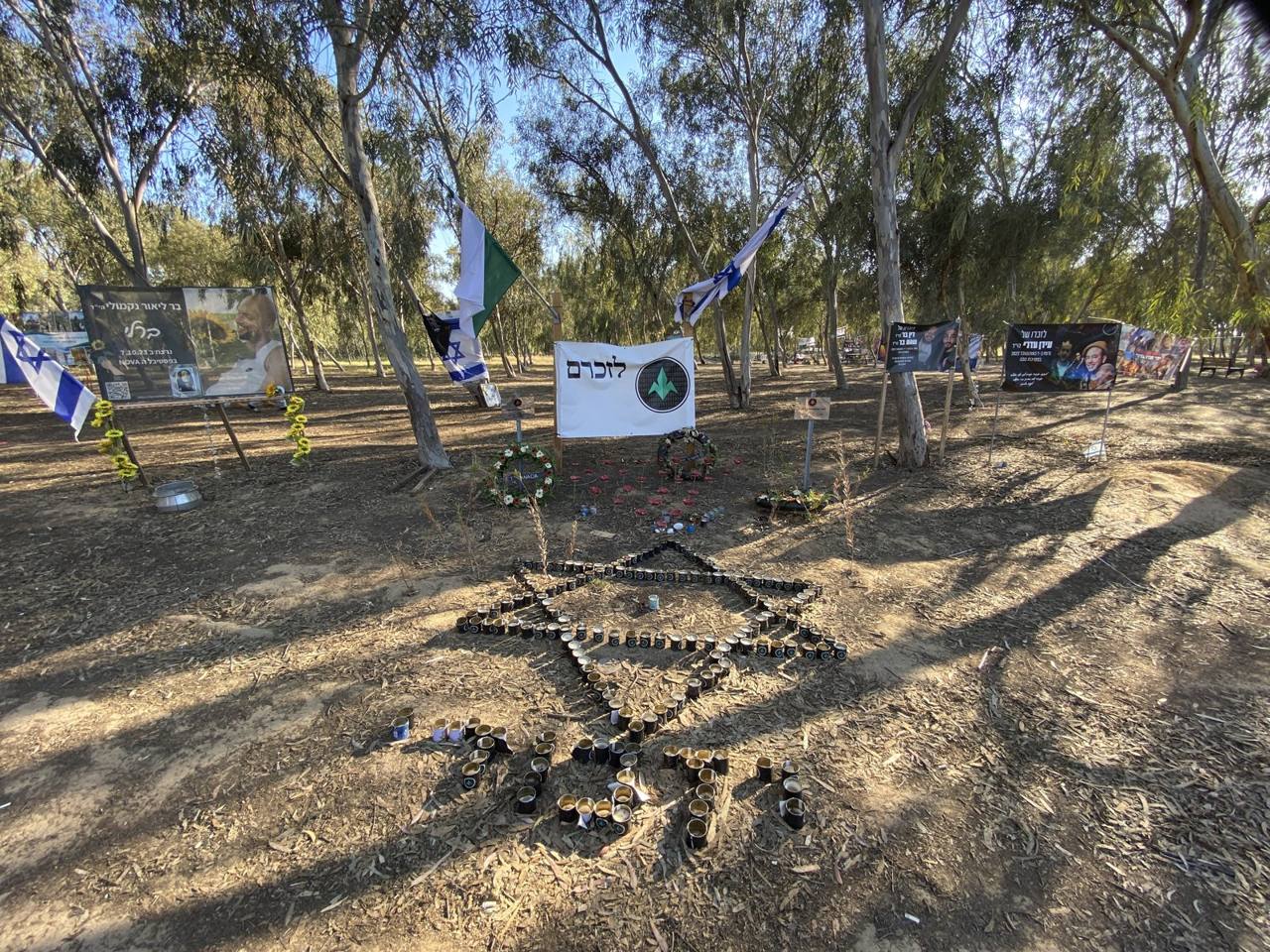
Israel marks three years since the Oct. 7 attack as bereaved families press for an inquiry before the election
Commemorations began at dawn at more than 400 sites, from the Nova festival grounds near Kibbutz Re’im to a mass evening ceremony planned for Tel Aviv. In Toronto, Jewish community groups scheduled an evening of remembrance.