Technology
Meta, Sierra, Walmart and Shopify draft an open standard for how personal AI agents sign in and act for shoppers
The Personal Agent Protocol would let consumers choose whether an AI agent gets read-only or write access to their accounts, and let businesses tell when a bot is acting for a real customer. A first draft is due later this month; OpenAI and Anthropic have not signed on.
Published: October 7, 2026 · Updated: October 7, 2026 · 4 min read
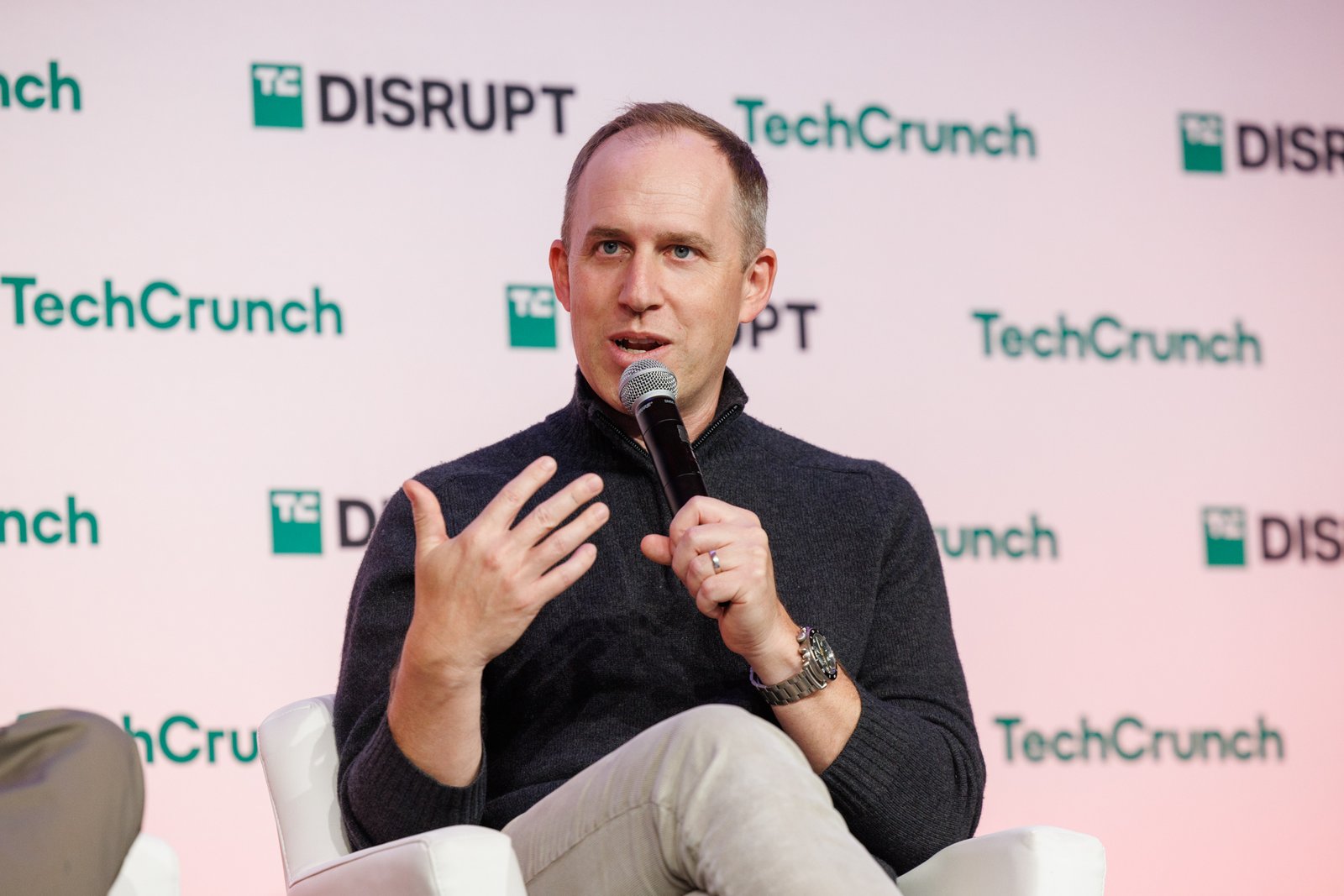
Meta and Sierra, the enterprise AI startup co-founded by former Salesforce co-chief executive Bret Taylor, are developing an open standard to govern how personal AI agents deal with businesses on their users’ behalf. The Personal Agent Protocol, unveiled on Tuesday, is being built with Genesys, Instinct, Rocket, Shopify, Stripe and Walmart, Taylor and Sierra co-founder Clay Bavor said in a blog post. They said it is designed to handle authentication, give consumers control and give companies visibility into what personal agents do through their websites, APIs or company agents. “It’s open for anyone to implement,” they wrote.
The problem it targets is how agents behave today. Most personal agents use websites and apps the way people do, loading pages and clicking through forms, and when that fails they may call a company’s support line or open its web chat, which can take a long time and still end in failure, Sierra said. “It is kind of chaos until such a standard exists,” Taylor, who is also chairman of OpenAI, told CNBC. “Companies will know when it’s a personal agent versus an actual person. For a lot of companies there’s a risk: you don’t want just a random bot that isn’t acting on behalf of a person to have access to this service.”
Under the proposal, an agent starts on a company’s website, where it can discover what the business offers, and opens a session for its user. It can begin as a guest, which may be enough to check whether a product is in stock or ask about a returns policy. When a task needs access to a customer’s account, the customer signs in on the company’s page or uses credentials already set up with their agent, and decides whether the agent gets read-only or write access. Sessions are built on OAuth, an established standard for authorizing access, and carry across channels, so a question asked before sign-in and an order change made afterward count as one visit. The company decides whether agents work through its regular web pages, through APIs built on standards such as MCP and OpenAPI, or through its own agent for tasks that need conversation, such as a warranty claim.
Nothing is ready to implement yet. Sierra said the partners plan to publish a v0.1 specification later this month, host design workshops with interested parties and release a reference implementation for developers. Possible later additions include more detailed permissions, push notifications that could tell an agent the moment a flight is delayed or an order ships, and payments extensions that would let an agent complete a purchase without sharing credit card information. The Next Web noted that payments are listed as a future extension rather than part of the first specification.
The push comes about a month after Meta launched Muse, a personal agent that rose to the top of Apple’s App Store, CNBC reported. Amazon is among the companies that have blocked Meta’s agents, citing worries about website scraping. David Singleton, vice-president of engineering and consumer products at Meta Superintelligence Labs, said Muse has millions of users in the U.S. “We’re defining rails that we hope personal agents and business agents can run over for the future,” he told CNBC, comparing the effort to email. “If you think about email, it works great because it is a standard that everyone can use to talk to each other, and we think this is going to be quite similar.” In its own announcement, Meta said “agent commerce will be enabled by the same alignment to solve practical questions and reduce transaction friction,” PYMNTS reported.
Partners framed the protocol around trust. Shopify vice-president of product Mani Fazeli said it aims to “turn a buyer’s intent into an outcome,” while Stripe’s head of payments, Kevin Miller, said it would give businesses “a standard way to recognize their customers’ agents,” StreetInsider reported. Genesys chair and chief executive Tony Bates called it “an important step toward creating the shared foundation this new era of customer experience will require.” Rocket’s statement describes Muse moving across its platform from finding a home to arranging financing, according to The Next Web.
The standard also appears to answer a call from six major banks, including Bank of America and Capital One, which last month published a paper urging the AI industry to adopt standards, policies and consumer protections built on transparency, safety, privacy and data, choice and interoperability, SiliconANGLE reported. The banks warned that agents could fuel scams, fraud and disputes, or steer users toward products or payment methods because of incentives such as higher commissions.
Big gaps remain. OpenAI and Anthropic are not participating, though Taylor told CNBC he expects them to take part and would be “really disappointed” if competitors did not use it. “The whole point of this is to be an open standard,” he said. The Next Web pointed out that Stripe and Shopify have already joined a rival effort, Visa’s Trusted Agent Protocol, and that no European retailer, bank or payment company has been named as a partner.
Sources: Sierra (blog post by Bret Taylor and Clay Bavor); CNBC; The Next Web; PYMNTS; StreetInsider; SiliconANGLE.
Sources
- Sierra · company
- CNBC · news
- The Next Web · news
- PYMNTS · news
- StreetInsider · news
- SiliconANGLE · news
Newsletter
News. Context. What matters.
One essential briefing, written for people who would rather understand the story than scroll it.
Unsubscribe anytime. We don’t sell addresses.
Recommended
Technology
Attackers hijacked three country-code domains to get fake Google certificates, Chrome team says
Google says intruders who took over the .gh, .sl and .as registries obtained unauthorized HTTPS certificates for several Google domains and other major brands. Chrome has blocked the ones it found, but Google warns it may not have caught them all.

Technology
Signal tells senators it won’t comply with Bill C-22’s encryption and metadata powers
The encrypted messaging service’s policy chief told a gathering of senators and lawmakers that the lawful access bill’s powers over encryption keys, metadata and technical changes would ‘fundamentally break Signal.’

Technology
TELUS completes first satellite-to-smartphone test with AST SpaceMobile, targets service within a year
The test linked TELUS’s wireless network with AST’s low-Earth-orbit satellites for calls, texts and data on ordinary phones, as TELUS chases Rogers and Bell in closing Canada’s coverage gaps from space.