Money
Canadian dollar hovers near 70 U.S. cents as Canada–U.S. yield gap hits widest since 2025
The loonie’s fourth weekly decline and a roughly 157-basis-point two-year spread keep pressure on import prices ahead of October’s BoC and Fed decisions.
Published: October 4, 2026 · Updated: October 4, 2026 · 1 min read
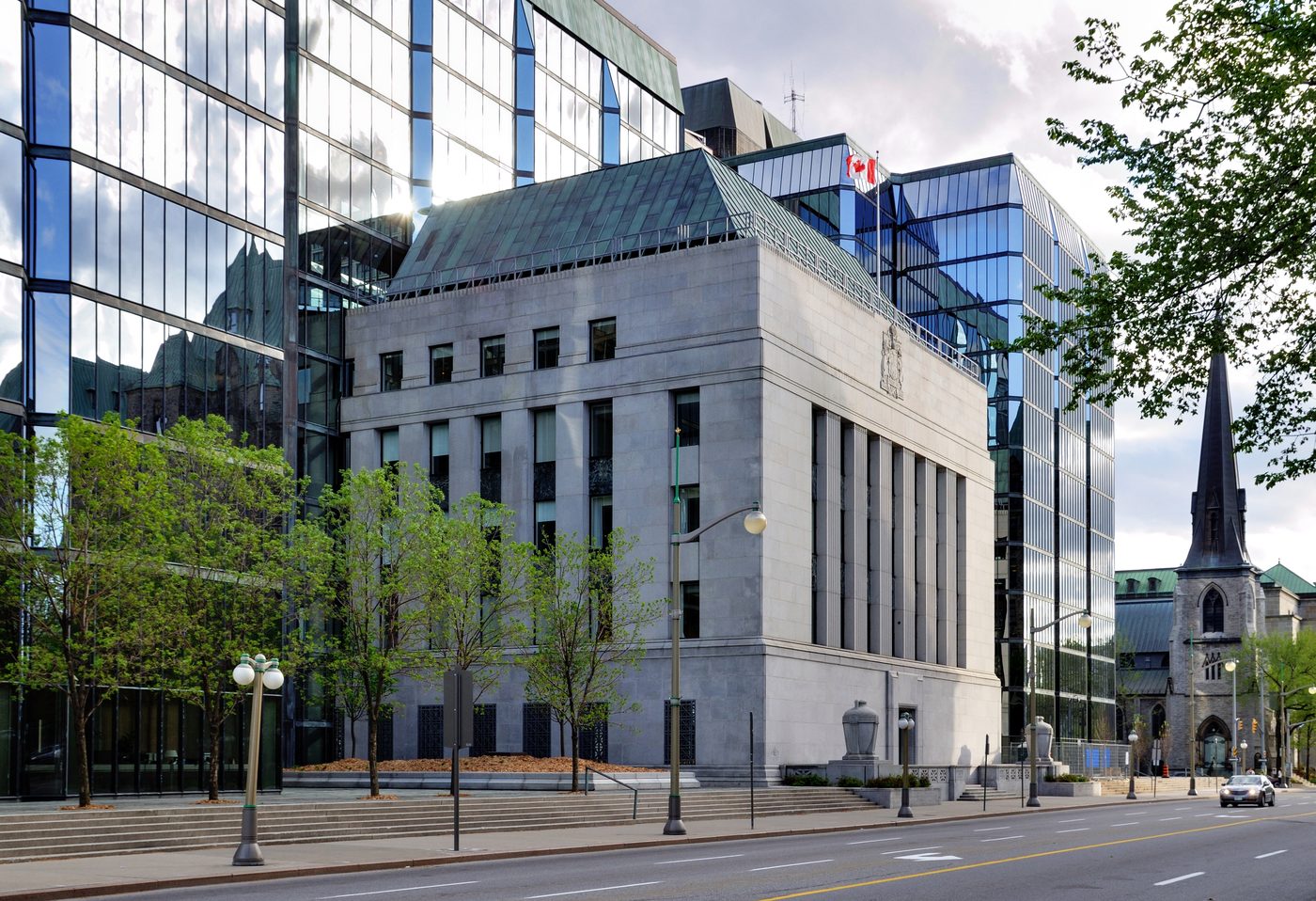
For households and firms, a near-70-cent dollar shows up in imported equipment, travel budgets and grocery shelves that rely on U.S.-priced inputs. Exporters collecting U.S. dollars get a competitive lift when converting revenues home, but many Canadian manufacturers also buy machinery and components abroad, so the net effect is mixed. Statistics Canada’s latest industry GDP print showed flat July output and only a preliminary 0.2 per cent August rebound, leaving markets cautious that domestic data will soon close the yield gap. October’s calendar is dense: Canada’s labour report on Oct. 9, September CPI on Oct. 19, and Bank of Canada and Federal Reserve decisions on Oct. 28. TD Securities FX strategist Jayati Bharadwaj told BNN Bloomberg she still sees October and December as early for Bank of Canada hikes and expects the loonie to stay under pressure near 70 cents while the Fed leads, with a potential rebound if Ottawa’s central bank starts catching up in early 2027. Market pricing and economist views continue to diverge on whether energy-driven inflation will force an earlier Canadian move. Sources: MarketScreener / Reuters; BNN Bloomberg; Bank of Canada; Hashtag Investing (market wrap).
Sources
- MarketScreener / Reuters · other
- BNN Bloomberg · other
- Bank of Canada · other
- Hashtag Investing (market wrap) · other
Newsletter
News. Context. What matters.
One essential briefing, written for people who would rather understand the story than scroll it.
Unsubscribe anytime. We don’t sell addresses.
Recommended
Money
BoC and OSFI tell banks overnight SLF draws are routine, not a stress signal
Joint statement accompanies Gravelle remarks on upsizing two-week repos as CORRA runs ~5 bps above the 2.25% overnight target.
Money
UBS, Manulife and Oxford join calls for Bank of Canada October rate hike
After seven holds at 2.25%, forecasters now see a 25-basis-point move on Oct. 28 as inflation risks rise; TSX snapped a four-day slide Friday.

Money
BoC's Rogers says interest rates are too blunt to fix Canada's housing affordability trap
In a Victoria speech, Senior Deputy Governor Carolyn Rogers argued monetary policy cannot build homes or rezone land, as Capital Economics sees only modest hikes and the next rate decision lands Oct. 28.