Canada
Six Nations’ Haldimand Tract lawsuit against Canada and Ontario finally goes to trial
Three decades after filing, the Grand River community argues the Crown sold off most of a 384,451-hectare grant and mismanaged the proceeds, while Ottawa and Ontario deny the 1784 proclamation is a treaty.
Published: October 5, 2026 · Updated: October 5, 2026 · 3 min read
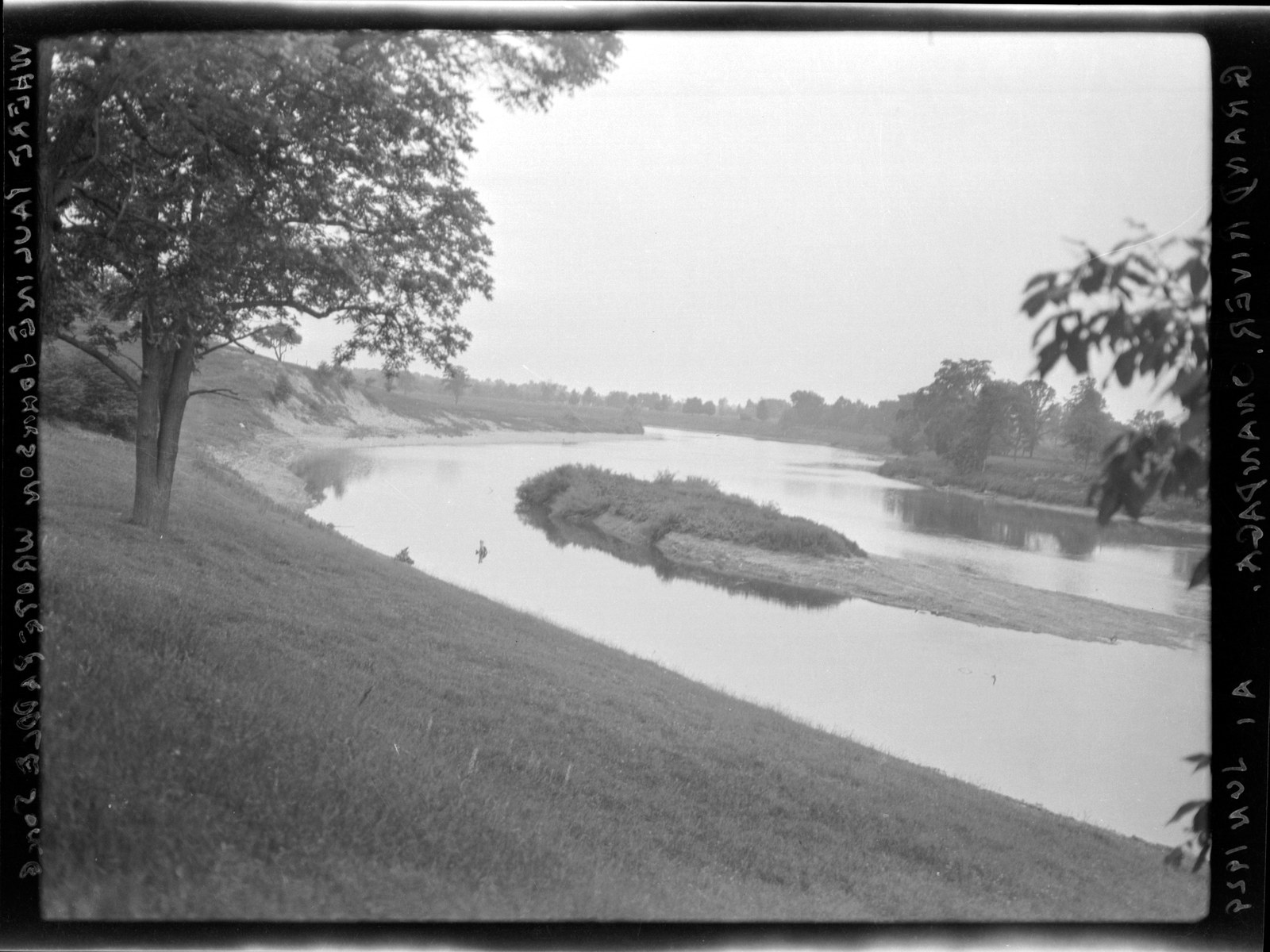
A land-claim trial three decades in the making began Monday at the Ontario Superior Court of Justice in Toronto, as Six Nations of the Grand River takes the federal and Ontario governments to court over the Haldimand Tract, CBC News reported. Six Nations argues that the Crown failed to set aside land it was promised along the Grand River, improperly sold most of it to settlers and mismanaged the money from those sales. The community filed the lawsuit in 1995.
Six Nations says that under the 1784 Haldimand Proclamation, which it regards as a treaty, the Crown set aside about 384,451 hectares along the Grand River in recognition of its alliance with the British during the American Revolutionary War. Today the community holds 18,615 hectares of reserve land, a small fraction of the original grant, which the Two Row Times put at roughly 950,000 acres. The case bundles 46 individual claims with an estimated total value between $13.9 billion and $8.7 trillion, according to CBC.
Lonny Bomberry, a Cayuga Nation member who is lands and resources director for Six Nations and has worked on the case since 1995, told CBC that the community’s land and trust money effectively financed the colonial administration. “All of our money, all of our lands were sold to run the colonial government of Upper Canada for about 60 years,” he said. “By the 1860s, we were completely broke and a million acres gone through what I call the heart of Canada and nothing to show for it.”
Both governments are fighting the claim. In its statement of defence, Canada says the Haldimand Proclamation is not a treaty and did not create an obligation to establish a reserve, and argues that Six Nations made a series of valid surrenders and sales of land within the tract. Because the events predate Confederation, Ottawa says that even if the court sides with Six Nations, it would still have to decide whether Canada can be held responsible. Ontario also denies the proclamation is a treaty and argues that if any duty was breached, Canada alone would be liable.
Justice Ira Parghi is presiding over a trial split into two phases. The first will decide whether the Crown is liable for each of the 46 claims; the second would set damages and resolve cross-claims between Ottawa and Ontario. A November 2025 question period note prepared for Crown-Indigenous Relations Minister Rebecca Alty said the first phase was expected to last up to five years and that, with possible appeals to the Supreme Court of Canada, the case could run until 2037. CBC said the hearings are expected to take nearly a decade.
The claim covers land that today includes Waterloo, Brantford and Caledonia, according to the federal note, which also anticipated questions from private landowners. It advised the minister to say that “where claims of this kind have merit, Canada resolves them financially and not through dispossession of any third-party property rights.”
Robert Janes of JFK Law, one of the lead lawyers for Six Nations, said the community will argue that officials mismanaged and misappropriated its funds, and that decades of delay have strengthened its hand. “Because the government has dithered for so long in trying to resolve this case, the law has really put us on a much stronger footing,” he told CBC. The Two Row Times reported that JFK Law and Blake, Cassels & Graydon represent Six Nations, while about a dozen lawyers, including from McCarthy Tétrault and the federal Justice Department, act for the Crown.
The case has also exposed divisions over who speaks for the community. The court allowed the Mississaugas of the Credit First Nation, whose 1784 treaty with the Crown made the lands available, to intervene, though it is not seeking compensation. It rejected a bid by the Haudenosaunee Development Institute to intervene on behalf of the Haudenosaunee Confederacy Chiefs Council, the traditional government. “Council didn’t exist when treaties were made,” Kanien’kehá:ka Chief Allan McNaughton said of the elected band council created under the Indian Act. “They are not a treaty-making entity.”
Crown-Indigenous Relations and Northern Affairs Canada said in a statement that it respects Six Nations’ decision to pursue its claims in court and “will continue to work in co-operation with all parties as this case moves forward.” Ontario’s Ministry of the Attorney General declined an interview request. The elected council is livestreaming the opening week for community members at venues in Six Nations, the Two Row Times reported.
Sources: CBC News; Two Row Times; Government of Canada (Crown-Indigenous Relations question period note).
Sources
- Two Row Times · other
- Government of Canada (Crown-Indigenous Relations question period note) · other
- CBC News · other
- · other
Newsletter
News. Context. What matters.
One essential briefing, written for people who would rather understand the story than scroll it.
Unsubscribe anytime. We don’t sell addresses.
Recommended
Canada
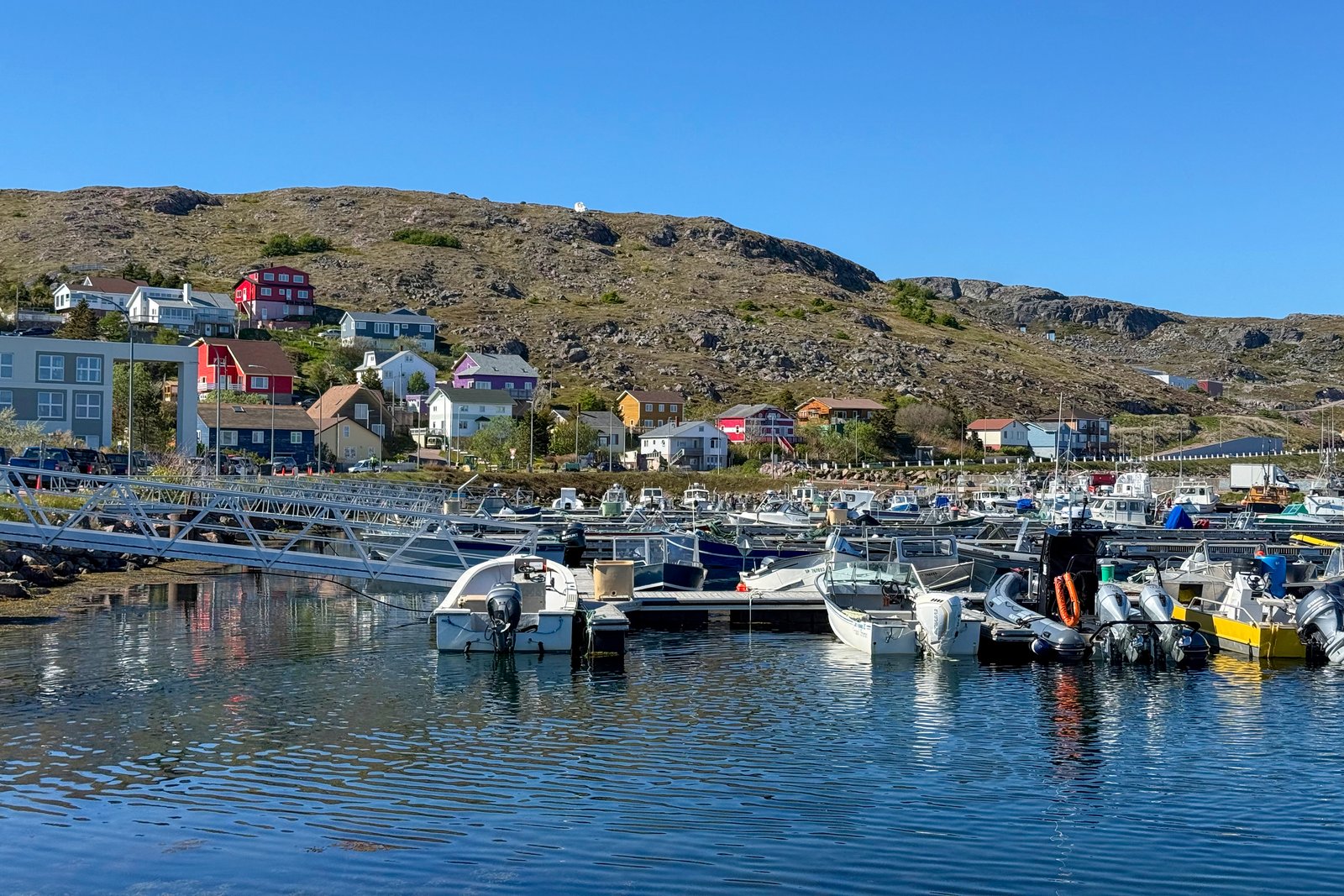
Ottawa says France has issued no snow crab licence off Newfoundland despite Macron's pledge
Fisheries Minister Joanne Thompson says Canada rejects any foreign snow crab fishing on its extended continental shelf after Emmanuel Macron promised a St-Pierre-Miquelon company an exploratory licence.
Canada
Debris confirmed from missing Hamilton air ambulance as search continues off Nantucket
U.S. Coast Guard says wreckage from Latitude Air Ambulance’s Gulfstream G100 matches the jet that vanished with six aboard en route Bermuda–Boston.

Canada
Finance Canada papers flag $18-billion fiscal shock if Alberta leaves Canada
ATIP-released June briefing notes weigh head-office flight, skilled-worker outflows and “flawed” CPP exit wording ahead of the Oct. 19 referendum.