Business
RBC says Canada’s next oil and gas boom could top $200 billion, but warns of overruns, trade shortages and a steel squeeze
A new RBC Thought Leadership report says the build-out could lift the industry’s contribution to GDP by nearly half by 2040 and multiply exports beyond the U.S. tenfold, if the country can find the welders, pipe and steel plate to deliver it on budget.
Published: October 7, 2026 · Updated: October 7, 2026 · 4 min read
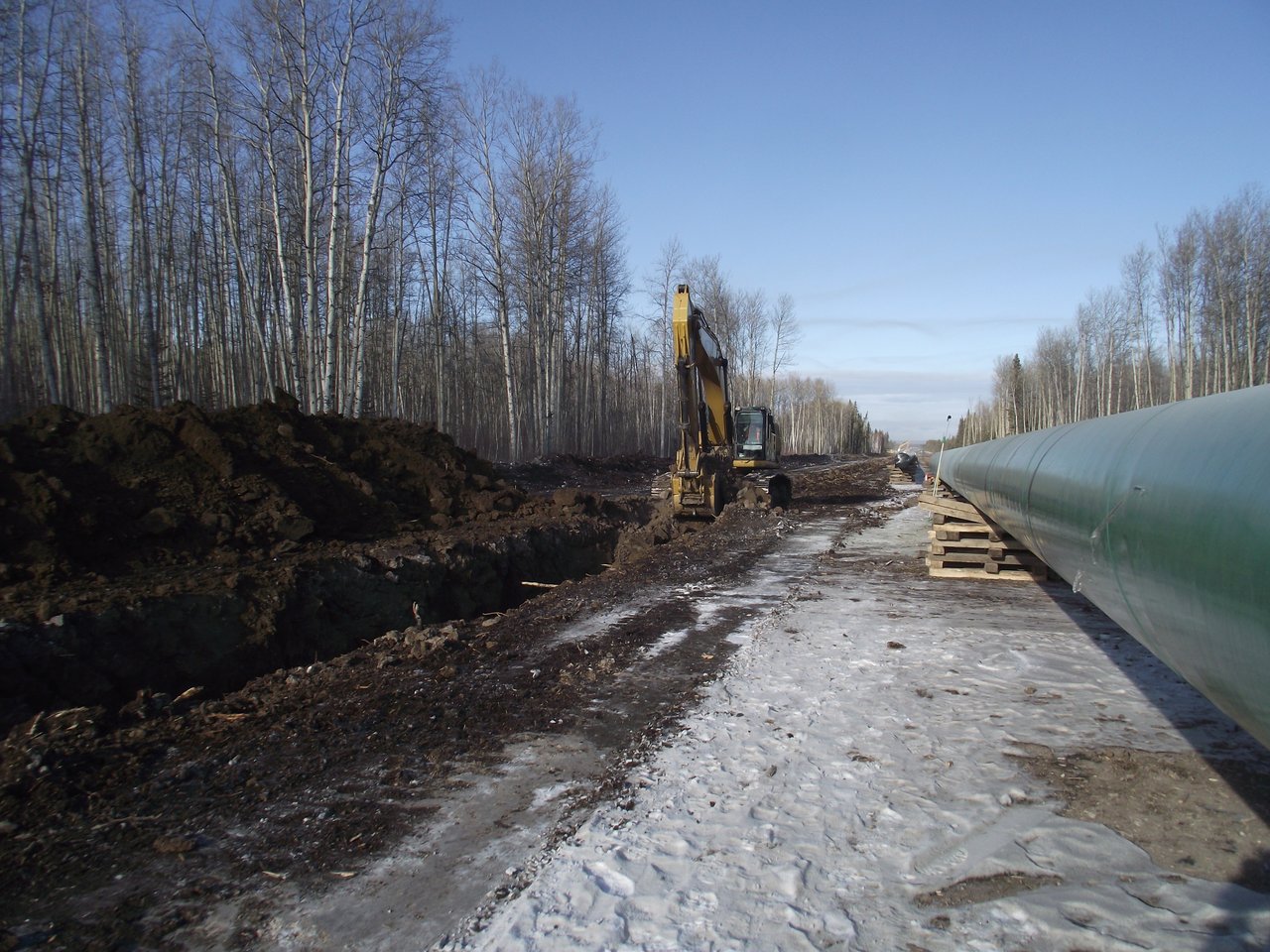
Canada’s oil and gas industry may be heading into its biggest building wave since the 2006-14 oilsands boom, and the country risks repeating that era’s painful cost overruns unless it lines up workers, steel and supply chains in advance, Royal Bank of Canada says in a report released Wednesday. “Canada is about to find out whether it can still build,” the report from RBC Thought Leadership says. It estimates the slate of proposed projects would anchor a total build of more than $200 billion in capital spending through 2040.
The next three years are the window. LNG Canada Phase 2 and the First Nations-backed Ksi Lisims LNG, with the pipelines that feed them, are targeting decisions by year-end; South Bow’s Prairie Connector by mid-2027; and the Pacific Link oil pipeline from Alberta to a deepwater port in southern B.C., recently fast-tracked by Ottawa, has an expected construction start of September 2027. Agreements for Pathways, the oilsands carbon-capture network, are due by Nov. 15. In all, the period could see two LNG terminals in addition to the two already under construction, two oil pipelines, a carbon-capture facility and the first phases of oilsands expansions that could add up to a million barrels a day, The Globe and Mail reported.
The payoff in RBC’s high-growth scenario is large. Oil output would rise by almost two million barrels a day by 2040 and gas output would nearly double, and the industry would add $44 billion a year in real GDP to its current contribution of about $95 billion, nearly a 50 per cent increase. Alberta alone would gain up to $29 billion and 52,100 permanent jobs. Oil and gas exports to countries other than the U.S., mainly in Asia, could climb from about $10 billion in 2024 to about $100 billion by 2040, adding to U.S. sales rather than replacing them, if Pacific Link and the new LNG terminals are built. RBC based its scenarios on the Canada Energy Regulator’s Canada’s Energy Future 2026 outlook, adapting the regulator’s higher-growth case.
The strain would peak around the end of the decade. Construction across Alberta and B.C. would hit $25 billion to $31 billion a year in 2029-30, and the busiest year would need 109,000 to 132,000 workers, about twice the 2026-40 average. Roughly $170 billion of the total would be built in B.C., far more than the province built between 2018 and 2024. Demand would reach supply chains across the country, from Ontario steel plate to Saskatchewan line pipe, yet today only nine cents of each Alberta oil and gas construction dollar goes to other provinces, while 21 cents goes to imports.
The track record is the bank’s main warning. All eight Western Canada megaprojects of the last two cycles came in over budget and behind schedule, with the median roughly doubling its first estimate, RBC found. In the last boom the industry spent twice what Alberta’s own review had forecast and produced 12 per cent less than projected. The Trans Mountain pipeline expansion ballooned from an original estimate of $5.4 billion to $34 billion, The Globe noted. RBC calls the coming construction stimulus “a double-edge sword” that will make heavy demands on raw materials, logistics and labour.
Steel is one pinch point. Canada has one large-diameter line-pipe mill and one steel-plate producer, and imports more than half of its plate, the report says, at a time when those sectors are reeling from U.S. tariffs and market uncertainty. “Enabling domestic capacity from supporting industries like steel and aluminum is critical to optimizing the benefits of energy investment,” it says.
Skilled trades are another. Alberta has 200,000 unemployed people, nearly triple the 2006 level, yet nine in 10 construction hires out to 2035 are forecast simply to replace retirees, and the gaps cluster in 2027-31 among boilermakers, welders, pipefitters and millwrights. An apprentice who starts in 2027 would not certify until 2030-31 at the earliest. Last time, Alberta leaned on out-of-province workers, about 40 per cent of them from Atlantic Canada, but Newfoundland and Labrador’s unemployment rate has fallen to 10.1 per cent from 15 per cent in 2006 and the province expects its own construction peak in 2031. RBC cites a federal estimate that more than 1.4 million new trades workers will be needed by 2033, and floats a national-service-style program that would encourage people to come work for and build Canada.
The bank also points to policy risks. It says investors want fiscal terms that stay put, noting that Alberta revised royalties three times from 2007 to 2016 and that B.C. has announced a new price-sensitive gas royalty regime effective Jan. 1, 2027. At today’s emissions per barrel, RBC estimates about 16 million tonnes of carbon capture would be needed by 2040 to keep growth under Alberta’s 100-million-tonne oilsands emissions limit, which it notes was never actually enacted; Pathways would capture 11 million tonnes a year by 2040. The report lands as Ottawa pushes its major-projects agenda, including Bill C-39, the Building Canada Strong Act tabled in September to speed approvals, and a corporate tax break letting companies immediately write off the full cost of new assets, The Globe reported.
Sources: RBC Thought Leadership, A New Energy: Steering Canada’s next oil and gas boom (Oct. 7, 2026); The Globe and Mail; Canada Energy Regulator, Canada’s Energy Future 2026.
Sources
- RBC Thought Leadership · research
- The Globe and Mail · news
- Canada Energy Regulator, Canada’s Energy Future 2026 · government
Newsletter
News. Context. What matters.
One essential briefing, written for people who would rather understand the story than scroll it.
Unsubscribe anytime. We don’t sell addresses.
Recommended
Business
What “AI Literacy” Actually Means on a 2026 Job Posting
Employers slapped “AI literacy” on postings at explosive rates. Here is how to decode the phrase — and prove you have it — without cosplaying as a prompt wizard.

Business
Nortera and B&G Foods scrap the Green Giant Canada sale after the Competition Bureau moved to block it
The Quebec-based vegetable processor will pay B&G US$1.6 million after the deal missed its regulatory deadline. The bureau had warned the merger would mean higher prices and fewer choices in canned and frozen vegetables.
Business
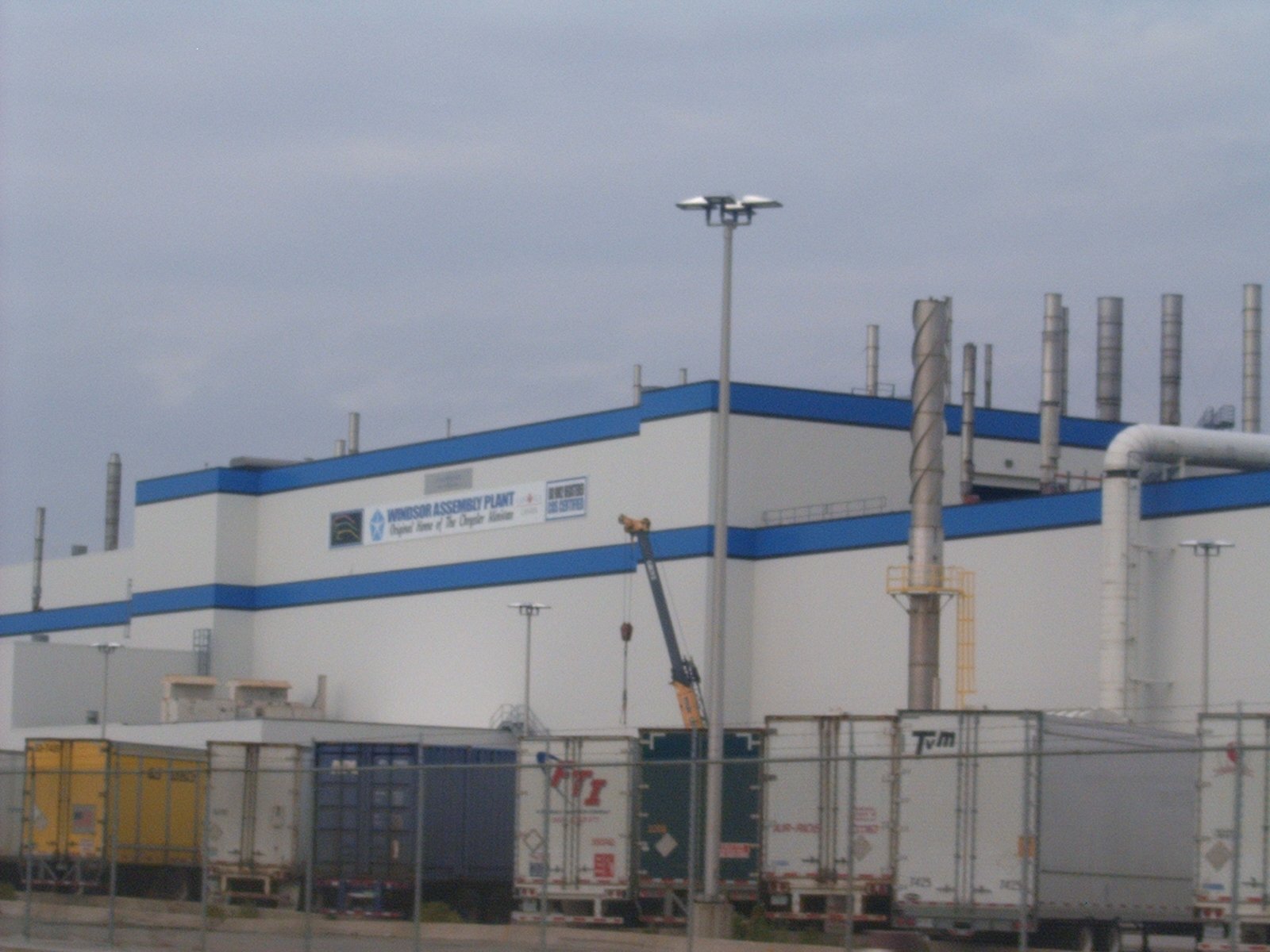
Unifor calls strike votes at Stellantis as Windsor plant heads into three more idle weeks
Members will vote Oct. 17 and 18 after talks stalled over the automaker’s plan to close and sell its Brampton plant. Stellantis has also said its Windsor Assembly Plant will be down for three weeks starting Oct. 19, citing tariffs and demand.